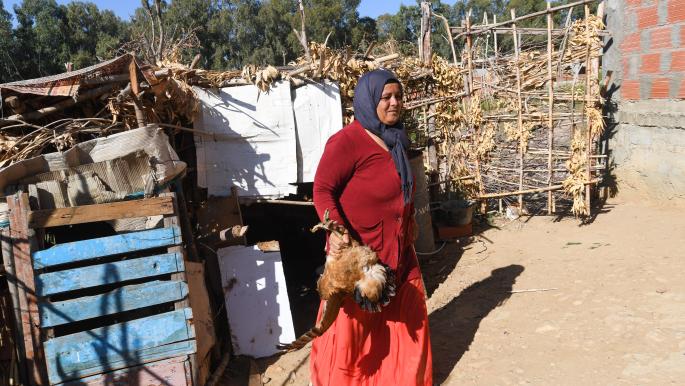
Tunisian chicken markets are experiencing an unprecedented crisis, with citizens facing a severe shortage of chicken and rapidly rising prices, leading to widespread consumer discontent. This crisis comes at a sensitive time, as many Tunisians rely on chicken as a primary source of protein in their diets.
Complaints are increasing from citizens who find it difficult to locate chicken in the markets, with prices exceeding the purchasing capacity of many. Some traders have pointed out that there is a shortage in supply due to several factors, including rising production costs and a decline in imports.
Details of the Crisis
Reports indicate that chicken prices have risen by as much as 30% in recent weeks, prompting many Tunisian families to reconsider their food budgets. Many citizens have expressed their dissatisfaction with this situation, considering that the price hikes represent an additional burden amid the difficult economic conditions facing the country.
At the same time, some traders confirmed that the supply shortage is due to problems in the supply chain, including a lack of feed and rising feed prices. They also noted that some small farms have closed their doors due to their inability to bear the increasing production costs.
Background & Context
Tunisia is one of the countries that heavily relies on the poultry sector to meet its food needs. This sector has faced numerous challenges in recent years, including price fluctuations and unstable weather conditions. However, the current crisis represents a greater challenge, coinciding with a period of economic and social pressures.
It is noteworthy that the Tunisian government has previously taken steps to support the poultry sector, including providing financial assistance to farmers. However, these measures seem insufficient to address the current challenges, raising questions about the effectiveness of government policies in this area.
Impact & Consequences
The chicken shortage and rising prices could have serious implications for food security in Tunisia. With increasing economic pressures, many citizens may be forced to reduce their protein consumption, negatively impacting their overall health. This situation may also exacerbate social discontent, especially given the tough economic conditions the country is experiencing.
Furthermore, this crisis may have a broader impact on the poultry sector, potentially leading to the closure of more farms and a decline in local production. This could worsen the problem of reliance on imports, increasing economic risks.
Regional Significance
The chicken crisis in Tunisia exemplifies the challenges faced by many Arab countries in the realm of food security. With increasing economic and environmental pressures, other countries may also encounter similar issues in providing essential food supplies. This necessitates greater coordination among Arab nations to exchange experiences and resources, and to enhance regional food security.
In conclusion, the chicken shortage crisis in Tunisia poses a significant challenge that requires a swift and effective response from both the government and society. Cooperation among all stakeholders will be essential to ensure that citizens' needs are met and to achieve market stability.