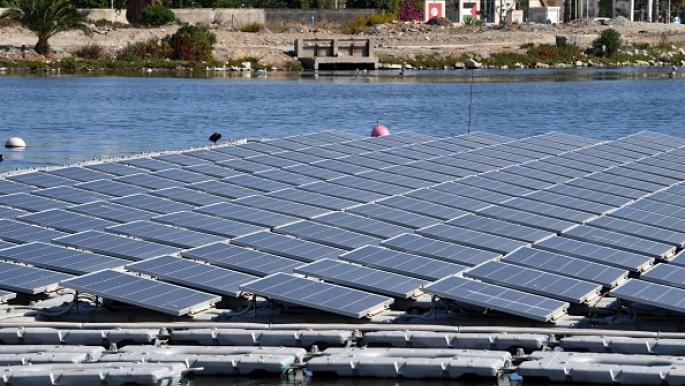
The Tunisian Parliament commenced discussions today regarding the ratification of five contracts for electricity generation from solar energy. This move comes amid deep controversy surrounding national sovereignty and project costs, raising questions about the future of energy in the country.
The agreements presented to the parliament aim to enhance the use of renewable energy in Tunisia, as the government seeks to reduce reliance on fossil fuels. However, these projects face opposition from some political and community factions concerned about their impact on national sovereignty.
Details of the Discussions
The proposed agreements include the establishment of solar power plants in several regions of the country, which would create new job opportunities and enhance Tunisia's capacity to produce clean energy. Nonetheless, debates in parliament indicate a clear divide between supporters and opponents of these projects.
Opponents highlight their fears that these contracts could lead to economic dependency, as foreign companies would be relied upon to implement the projects. In contrast, supporters defend the importance of these initiatives in achieving Tunisia's renewable energy goals.
Background & Context
Tunisia is one of the countries striving to enhance the use of renewable energy, especially in light of the economic and environmental challenges it faces. The Tunisian government has set ambitious plans to increase the share of renewable energy in the national energy mix, aiming for 30% of total energy consumption by 2030.
Historically, Tunisia has heavily depended on energy imports, making it vulnerable to global price fluctuations. Therefore, the shift towards renewable energy is considered a strategic step towards achieving energy independence.
Impact & Consequences
If these agreements are ratified, they could have a significant impact on the Tunisian economy. They are expected to contribute to the creation of new job opportunities and enhance investments in the renewable energy sector. However, concerns regarding sovereignty may affect public trust in the government and its ability to implement its plans.
The potential impact of these projects could extend to international relations, influencing how Tunisia interacts with its energy partners. If these projects succeed, Tunisia could become a model in the region for renewable energy initiatives.
Regional Significance
The renewable energy projects in Tunisia are part of a broader trend in the Arab region towards transitioning to clean energy sources. Many Arab countries have begun to invest more resources in solar and wind energy, reflecting an increasing commitment to addressing climate change.
Through these projects, Tunisia may play a leading role in enhancing regional cooperation in renewable energy, contributing to the achievement of sustainable development goals in the region.
In conclusion, the issue of renewable energy in Tunisia remains a vital topic that requires a delicate balance between achieving economic objectives and maintaining national sovereignty. The current discussions in parliament reflect the significance of this issue and its impact on the country's future.