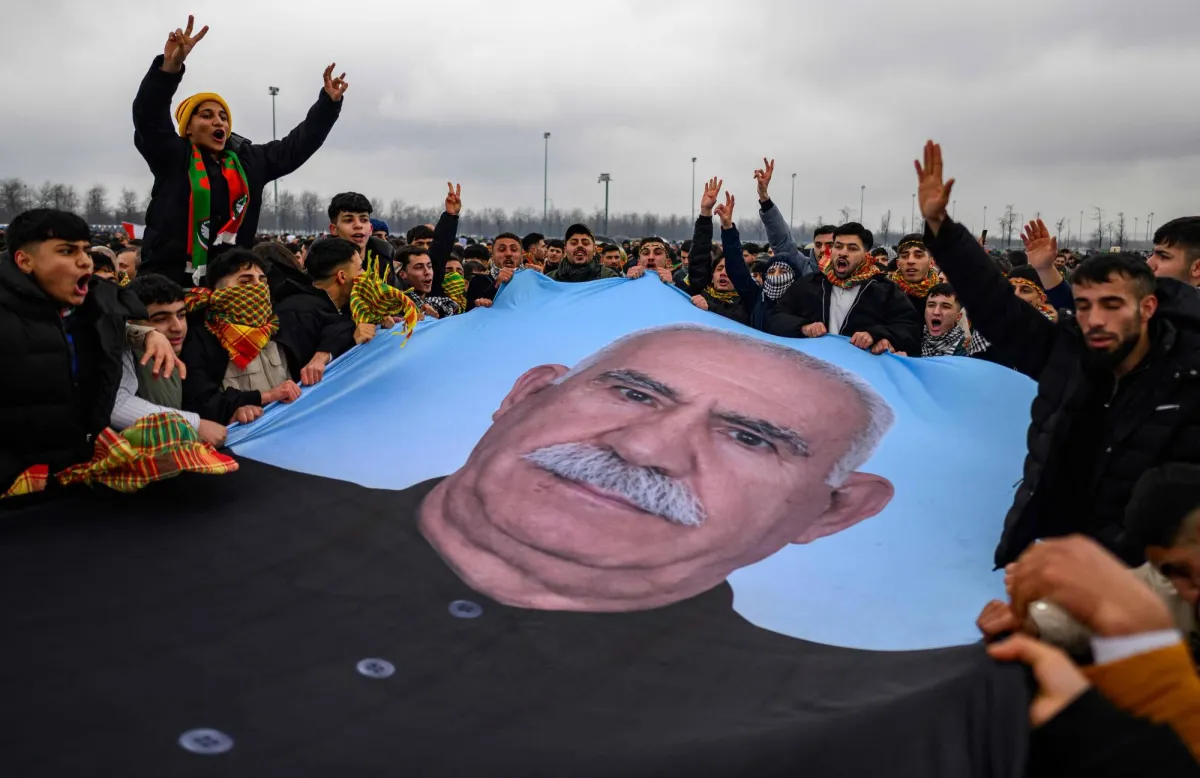
The Turkish authorities have taken an important step within the framework of the "peace process" aimed at resolving the PKK and disarming it by changing the status of its imprisoned leader, Abdullah Ocalan, and ending his isolation. This move comes at a sensitive time as the Turkish government seeks to enhance dialogue with the Kurds and achieve stability in the region.
Co-chair of the Peoples' Democracy and Equality Party, Tuncer Bakirhan, revealed the establishment of a complex for Ocalan's residence on Imrali Island, where he has been serving his sentence for 27 years. This complex will allow him greater freedom of movement, which may contribute to strengthening the peace process.
Details of the Event
In light of these developments, discussions have emerged about a legal amendment that grants Ocalan the "right to hope," which could ensure his release and reintegration into society after a long period of imprisonment. In February 2025, Ocalan called on the PKK to dissolve itself and lay down its arms, sparking widespread controversy in Turkey.
Ocalan emphasized in his call that his personal freedom is not the foundation of this process, but he pointed out the importance of having freedom of movement to play his role in leading the peace process. These statements reflect Ocalan's desire to actively contribute to political dialogue.
Background & Context
Historically, Kurds in Turkey have suffered from long-standing marginalization, with the PKK classified as a terrorist organization by the Turkish government and many Western countries. Since Ocalan's arrest in 1999, there have been multiple attempts to reach a peace agreement, but these efforts have often faced obstacles.
In recent years, Turkey has witnessed an escalation of violence between the government and the PKK, complicating peace efforts. However, the current steps indicate the government's willingness to revive dialogue with the Kurds and achieve a political settlement.
Impact & Consequences
Granting Ocalan the "right to hope" could have a significant impact on the course of the peace process. If this step is implemented, it may lead to a reduction in tensions in the region and enhance the chances of reaching a comprehensive agreement. Additionally, changing Ocalan's status may encourage more Kurds to engage in the political process.
However, there are concerns that any delay in implementing these steps could lead to a resurgence of violence. The Turkish government faces pressure from both sides, as Kurds demand legal changes while the government adopts a cautious stance regarding disarmament.
Regional Significance
The developments in Turkey are of great importance to the Arab region, as Kurds form part of the demographic makeup in several neighboring countries. Any progress in the peace process in Turkey could affect relations among Kurds in Iraq, Syria, and Turkey, potentially contributing to greater stability in the region.
Ultimately, the peace process in Turkey remains fraught with challenges, but the current steps may represent a turning point in the long-standing conflict. Many are looking forward to what these developments will yield in the near future.