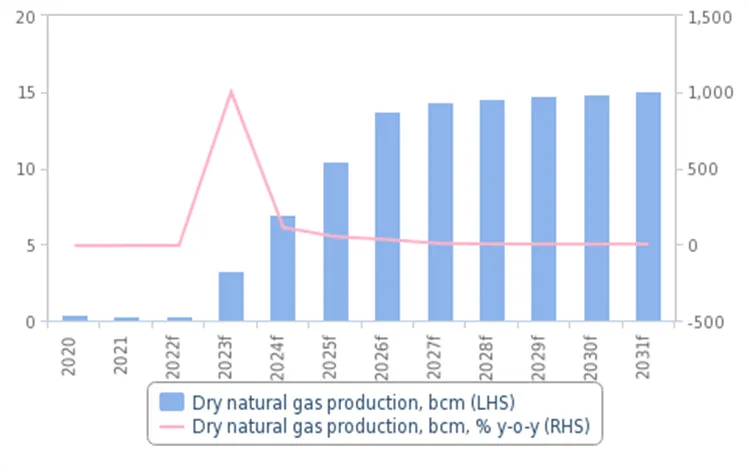
The recent developments in the Arabian Gulf, including the closure of the Strait of Hormuz and attacks on oil and gas facilities, have exacerbated the global energy crisis. These crises have pushed many countries to seek alternatives to secure their energy needs, prompting Turkey to enhance its investments in gas production.
The current energy crisis is considered one of the most severe crises the world has faced in modern times, significantly impacting energy prices and markets. As pressures mount on consuming countries, Turkey has emerged as a nation striving to become a major player in gas production, leveraging its strategic geographical position.
Details of the Event
The closure of the Strait of Hormuz, which is one of the most important maritime routes for transporting oil and gas, has led to a reduction in global supplies. This has resulted in unprecedented increases in energy prices, affecting global economies, especially those heavily reliant on energy imports.
In this context, Turkey has announced plans to boost natural gas production, aiming to exploit its domestic resources and increase its production capacity. These plans come at a critical time, as the need for alternative energy sources grows amid the current crises.
Background & Context
Historically, the Arabian Gulf has been a major center for oil and gas production, but political and security tensions in recent years have led to significant fluctuations in supplies. The closure of the Strait of Hormuz, through which about 20% of global oil supplies pass, poses a real threat to global energy security.
Turkey, seeking to reduce its dependence on energy imports, has begun exploring gas resources in the Black Sea, where new gas fields have been discovered. These discoveries enhance Turkey's position as a potential energy supplier in the region.
Impact & Consequences
The impact of the energy crisis extends to all aspects of economic and social life. Rising energy prices affect living costs and increase pressures on governments to provide support to citizens. Moreover, increased investments in the gas sector could contribute to creating new job opportunities and boosting economic growth in Turkey.
On the other hand, these changes may lead to a reshaping of economic and political relations in the region, as countries seek to enhance their cooperation in the energy sector and develop new strategies to deal with future crises.
Regional Significance
For Arab countries, the current energy crisis represents a significant challenge, as many of these nations rely on oil and gas exports as their primary source of revenue. Increased pressures on prices may affect national budgets and heighten economic tensions.
Additionally, Turkey's moves in the gas sector could alter the dynamics of the regional market, prompting Arab countries to reassess their strategies in the energy sector.
In conclusion, the current energy crisis represents both an opportunity and a challenge. Turkey aims to capitalize on these circumstances to enhance its position in the gas market, while other countries face new challenges that require swift and effective responses.