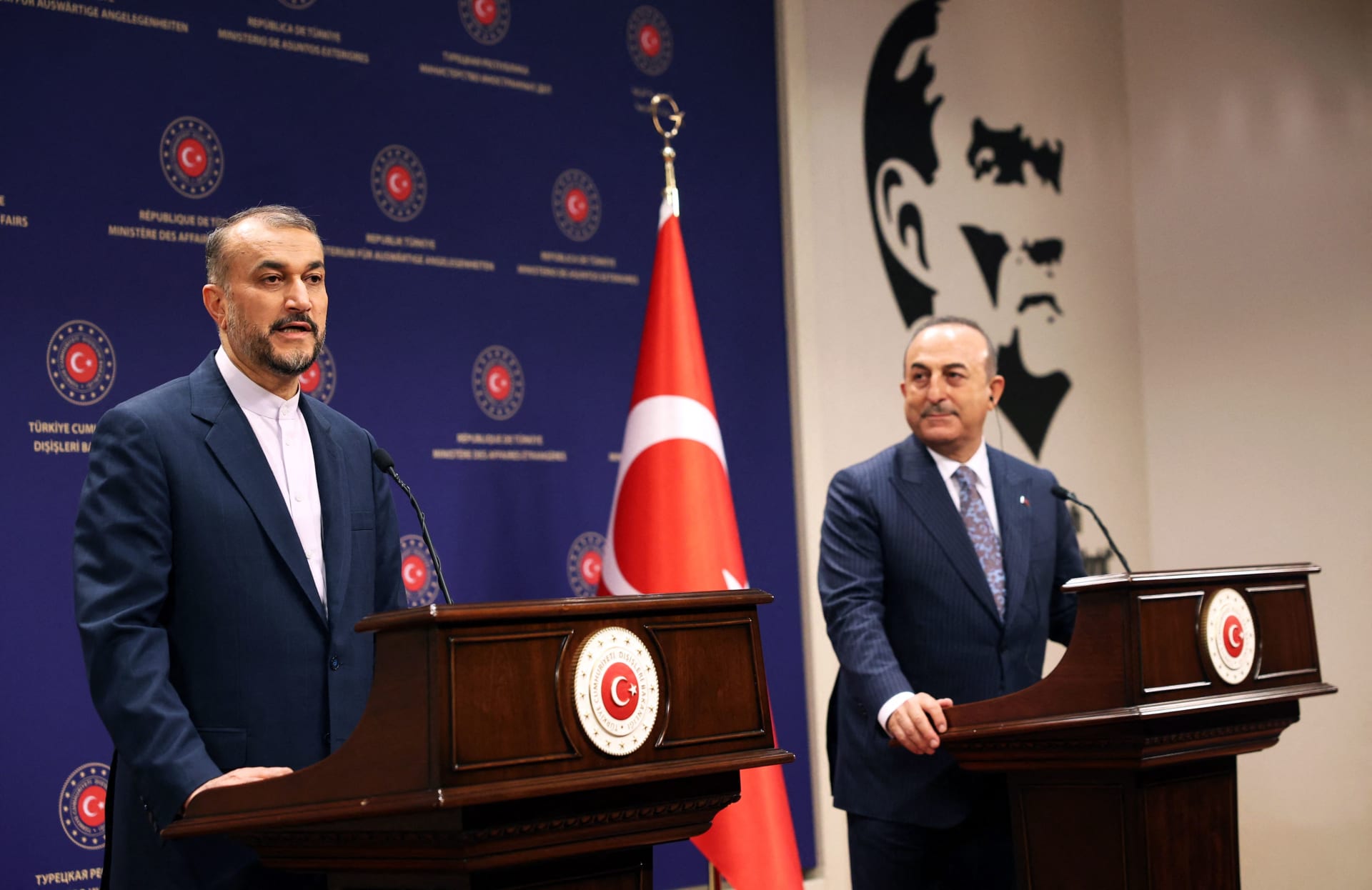
Harun Armagan, the Deputy Head of Foreign Affairs for Turkey's ruling Justice and Development Party, confirmed that Ankara is taking on the role of mediator in passing messages between Iran and the United States. This initiative is part of efforts to encourage de-escalation and promote direct negotiations. Armagan made these statements on Wednesday, as reported by Reuters.
Although the nature of the messages being conveyed has not been disclosed, Armagan clarified that Turkey is also relaying messages to Gulf countries, which have found themselves at the center of the expanding regional conflict, especially after suffering Iranian attacks amid the U.S.-Israeli struggle against Iran.
Details of the Situation
Earlier, U.S. President Donald Trump spoke about "promising opportunities" for reaching an agreement with Iran, indicating that Tehran is serious this time. For its part, Iran acknowledged that it has exchanged messages with Washington, which were transmitted through officials from Pakistan, Egypt, and Turkey, amidst discussions about a 15-point paper sent by the United States to Iran.
CNN reported that Iran informed Washington of its desire not to resume negotiations with American envoys Steve Mnuchin and Jared Kushner, preferring to negotiate directly with J.D. Vance, the U.S. Vice President.
Today, the Iranian military rejected President Trump's statements regarding negotiations to end the war, stating that the Iranian Quds Force claimed, "America is negotiating with itself." Meanwhile, the Associated Press reported that Pakistani officials indicated Iran received the U.S. proposal for a ceasefire consisting of 15 points.
The Iranian ambassador to Pakistan also mentioned that "there are friendly efforts from allied countries, but they do not imply negotiations between Iran and the United States."
Background & Context
It is important to note that Turkey, a member of NATO, had sought to mediate between Washington and Tehran before the outbreak of attacks about a month ago, repeatedly calling for an immediate ceasefire. Turkish President Recep Tayyip Erdoğan affirmed that Ankara will continue to "utilize all its capabilities" to achieve peace.
In this context, Turkish Foreign Minister Hakan Fidan stated that Ankara is conveying "friendly advice" to Tehran to avoid escalating the war and that he is in continuous contact with Washington to understand both parties' positions. Iranian President Masoud Bezhakian praised Erdoğan's stance in condemning what he described as "Zionist aggression," highlighting the Turkish people's role in solidarity with the Islamic nation.
Impact & Consequences
Concerns are growing over the escalation of conflict in the region, where any military escalation could have serious repercussions on regional and international security. Turkey is considered a key player in this context, as it seeks to enhance its role as a mediator in regional conflicts.
If Ankara succeeds in making progress in negotiations between Iran and the United States, it could contribute to reducing tensions in the region, which may positively reflect on the stability of Gulf countries suffering from the repercussions of regional warfare.
Regional Significance
This development is significant for Arabs and the region in general, as any agreement between Iran and the United States could directly impact the security and stability of Gulf countries. Additionally, Turkey's position may enhance Ankara's role as a mediator in regional disputes, potentially opening new avenues for cooperation between Arab states and Turkey.
In conclusion, the situation in the region remains complex, with intertwining political and military interests. The success of Turkish mediation could represent a step toward achieving peace, but challenges still persist.