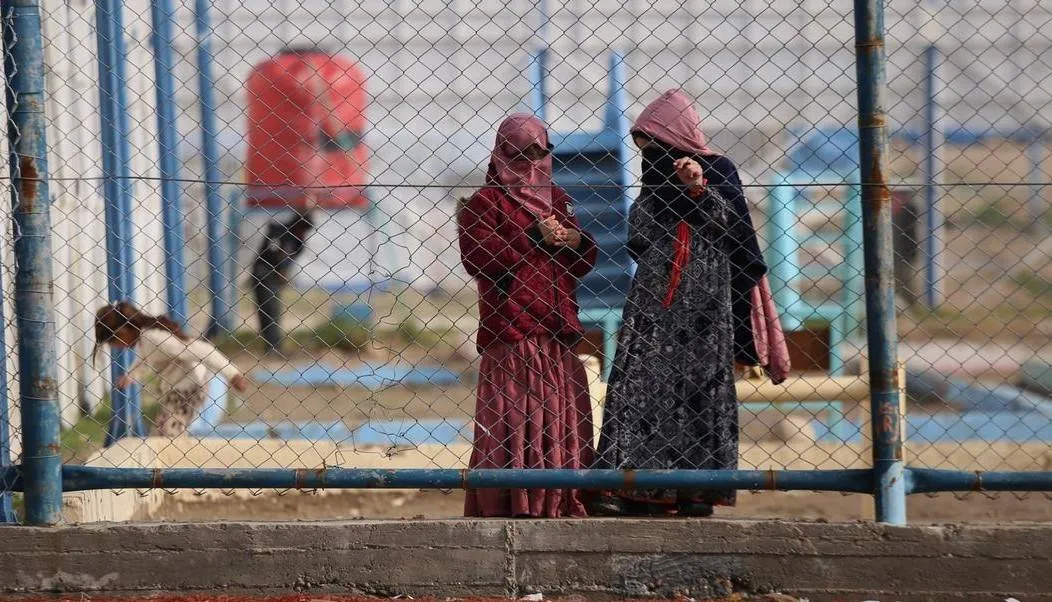
Turkish sources have reported that Ankara is conducting negotiations with Damascus aimed at transferring over 250 Turkish women and children from the 'Roj' camp located in northeastern Syria's Al-Hasakah province. This initiative is expected to aid in the repatriation of some Turkish nationals who joined the ISIS organization in recent years.
The 'Roj' camp has gained particular significance following the closure of the 'Al-Hol' camp, with reports indicating that many Turkish families were trapped in camps controlled by the Syrian Democratic Forces (SDF). This situation has led some to reach Turkey through illegal routes, while others are attempting to take advantage of Turkey's effective repentance law.
Details of the Negotiations
According to reports, the negotiations are part of broader efforts to dismantle networks that pose potential threats. Most of the women are located in Idlib, with some having already crossed the border. Some of these women have expressed a willingness to provide information about the ISIS organization in Syria, which could give both negotiating parties an opportunity to address certain security issues.
The 'Roj' camp has been a focal point for discussions due to the significant number of families associated with ISIS residing there. The Turkish government is keen to ensure the safety and security of its citizens while also addressing the challenges posed by these families.
Background & Context
The situation surrounding the repatriation of Turkish nationals from conflict zones has been a contentious issue for Ankara. The Turkish government has faced pressure to take action regarding its citizens who traveled to Syria to join ISIS. The negotiations with Damascus represent a critical step in addressing these concerns and managing the implications of returning individuals.
Furthermore, the closure of the 'Al-Hol' camp has intensified the urgency for Turkey to act, as many families are now concentrated in the 'Roj' camp. The Turkish authorities are exploring various legal frameworks to facilitate the safe return of these individuals while mitigating security risks.
Impact & Consequences
The potential transfer of these women and children could have significant implications for Turkey's domestic security landscape. By repatriating its citizens, Turkey aims to reduce the risk of radicalization and the potential for returning fighters to reintegrate into society.
Moreover, the negotiations could set a precedent for future dealings with Damascus concerning other Turkish nationals and families linked to ISIS. This could lead to a broader dialogue between Turkey and Syria, which has been strained for years due to the ongoing conflict.
Regional Significance
The negotiations between Turkey and Syria highlight the complex dynamics of regional security and the ongoing challenges posed by ISIS. As both countries navigate their interests, the outcome of these discussions could influence the stability of the region.
Additionally, the situation underscores the need for collaborative efforts to address the remnants of ISIS and the associated humanitarian crises. The successful transfer of these individuals could pave the way for more comprehensive strategies to deal with the aftermath of the conflict in Syria.
In conclusion, the ongoing negotiations between Turkey and Damascus represent a crucial development in the efforts to repatriate Turkish nationals from ISIS families. As Ankara seeks to enhance its security measures, the outcome of these discussions will be closely monitored by both domestic and international observers.