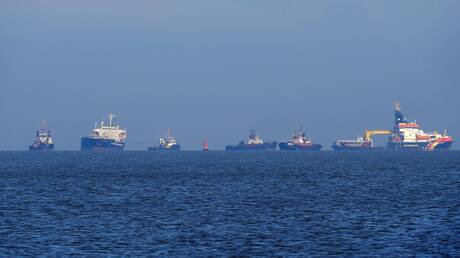
A senior official reported that Turkey is in talks with Iran to obtain permission for 11 ships to transit through the Hormuz Strait, which is one of the most important waterways in the world. This step comes at a sensitive time as the region experiences increasing tensions, raising questions about the impact of these communications on relations between the two countries.
The Turkish ships stranded in the Hormuz Strait are part of the maritime trade flow that passes through this strategic passage, which sees about 20% of the world's total oil shipments. Therefore, any disruption to navigation could significantly affect global markets.
Details of the Situation
Turkey has been in contact with Iran for several days, as Turkish officials seek the necessary permits for the ships to cross. The official confirmed that these communications aim to facilitate trade flow and ensure the safety of Turkish vessels in the region. This comes amid increasing tensions between Iran and the United States, which could impact navigation in the Hormuz Strait.
This move is part of Turkey's strategy to enhance its presence in the region, as it seeks to secure maritime trade routes and ensure they are not affected by political tensions. The official noted that Turkey hopes to reach a swift agreement with Iran to avoid any potential disruptions.
Background & Context
The Hormuz Strait is a narrow waterway separating Iran from Oman and is considered one of the busiest maritime passages in the world. Historically, the strait has witnessed numerous crises and tensions, especially amid regional conflicts and the influence of major powers. In recent years, tensions between Iran and the United States have increased, affecting navigation in the area.
Turkey and Iran are historical neighbors, and their relations have fluctuated over the years. While Turkey seeks to strengthen its trade relations with Iran, it faces challenges from Western powers that seek to pressure Tehran.
Impact & Consequences
If Turkey manages to obtain Iran's permission for the ships to cross, it could contribute to improving relations between the two countries and enhance trade cooperation. On the other hand, any disruption in navigation could escalate tensions in the region, affecting oil prices and global markets.
This issue also indicates how regional relations influence international trade flows. If tensions persist, we may witness negative impacts on the global economy, especially given the heavy reliance on Iranian oil.
Regional Significance
Navigation in the Hormuz Strait is particularly significant for Arab countries, as large quantities of Arab oil pass through it. Any disruption in this passage could affect oil supplies and prices, reflecting on the economies of Arab nations.
Moreover, improving relations between Turkey and Iran could impact the regional balance, as other countries in the area may seek to strengthen their ties with either party or both, potentially leading to changes in regional alliances.
In conclusion, developments in the Hormuz Strait remain under scrutiny, as any changes in navigation or relations between the involved countries could significantly affect regional and global stability.