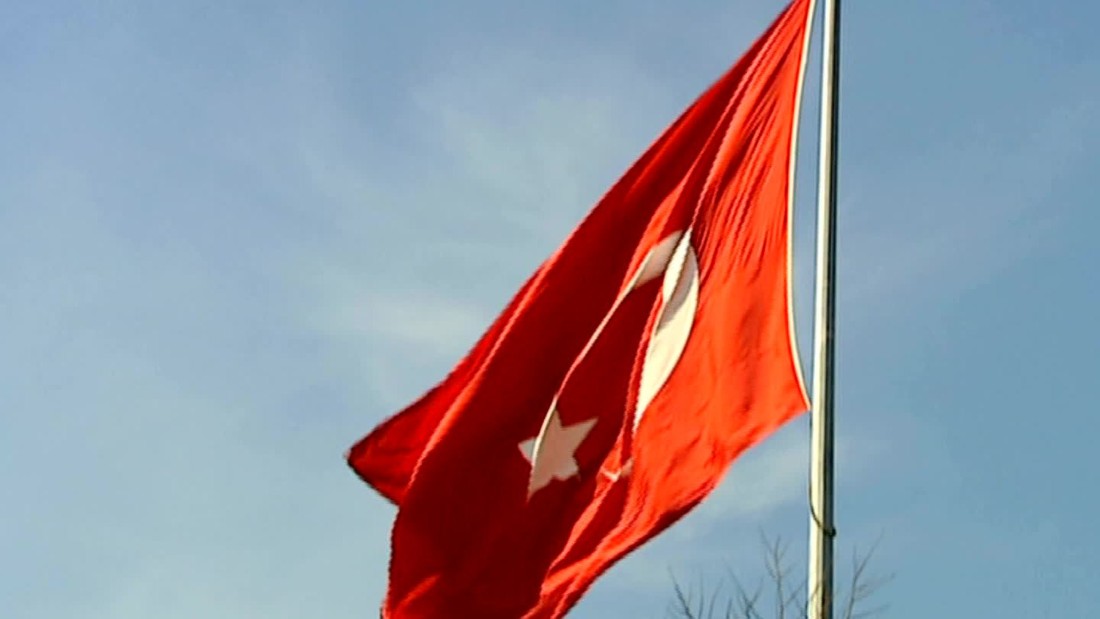
Despite its opposition to war, Turkey aims to achieve strategic gains amid rising regional tensions. This approach reflects its desire to enhance its influence in the region, as Ankara navigates numerous complex issues that require a delicate balance between national interests and international commitments.
Currently, all eyes are on Turkey, which plays a pivotal role in various regional crises. While Ankara opposes military interventions, it seeks to leverage the current circumstances to bolster its strategic position. This dynamic reflects a shift in Turkish foreign policy, which has become more flexible in addressing challenges.
Event Details
Regional tensions are escalating, placing Turkey in a precarious position. The Turkish government has expressed its desire to achieve gains by strengthening relations with certain regional and international powers. While Ankara continues to voice its opposition to war, it is working to expand its influence through diplomacy and economic initiatives.
The new Turkish strategies involve enhancing cooperation with neighboring countries, as well as seeking investment opportunities in conflict zones. This approach could contribute to improving Turkey's economic situation, which faces multiple internal and external challenges.
Background & Context
Historically, Turkey has played an important role in regional politics, serving as a balancing center among major powers. With the escalation of conflicts in the Middle East, Ankara has become more engaged in regional issues, leading to changes in its political strategies.
Turkey faces multiple challenges, including economic crises and political pressures. However, the Turkish government is striving to strengthen its position on the international stage by capitalizing on available opportunities under the current circumstances.
Impact & Consequences
Turkey's new policies may lead to significant changes in regional relations. If Ankara succeeds in achieving gains through diplomacy, it could enhance regional stability; however, these policies may also provoke negative reactions from other powers.
The economic impacts of these policies may be positive in the short term, but they could face challenges in the future. It is crucial for Turkey to balance its national interests with its international obligations to maintain both internal and external stability.
Regional Significance
Turkey is a key player in Arab politics, with its decisions affecting many countries in the region. The new Turkish policies could lead to changes in regional alliances, impacting the political and economic situations in Arab nations.
If Turkey can achieve gains through its new strategies, it may foster cooperation between Arab countries and Turkey, contributing to regional stability. However, if Ankara fails to meet its objectives, it could exacerbate crises in the region.