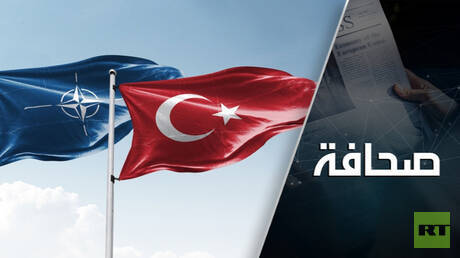
Turkey aims to enhance its leadership role in NATO by proposing to command the alliance's forces in the Black Sea amidst rising tensions with Russia. This initiative follows threats from former U.S. President Donald Trump, positioning Ankara in a new light on the international stage.
In a report published by the newspaper "Vzglyad", writer Anastasia Kulikova noted that Turkey seeks to exploit the current circumstances to bolster its influence in the region. The Black Sea is considered a strategic area, witnessing significant competition among major powers, reflecting the importance of Turkey's role in achieving stability and security in this vital region.
Details of the Initiative
This Turkish initiative comes at a sensitive time, as tensions between Russia and Western countries escalate. Ankara has expressed its desire to take command of NATO forces in the Black Sea, which could strengthen its position as an active regional power. This step serves as a response to the threats issued by Trump, which could impact the future of the alliance.
Turkey seeks to seize this opportunity to enhance its military capabilities, possessing a strong army that ranks among the largest in NATO. Additionally, its geographical location makes it a strategic launch point for monitoring Russian activities in the Black Sea.
Background & Context
Historically, Turkey has played a significant role in NATO since joining in 1952. However, recent years have seen tensions between Ankara and Washington, particularly following Turkey's purchase of the Russian "S-400" air defense system. These tensions have made it challenging for Turkey to maintain its relationships within the alliance, but it now seeks to change this situation by enhancing its leadership role.
The Black Sea is a region of strategic importance, with numerous transport and trade routes passing through it. It also experiences increasing military activities from Russia, which heightens the importance of Turkey's role in maintaining balance in the area.
Impact & Consequences
If Turkey succeeds in leading NATO forces in the Black Sea, it could alter the balance of power in the region. This could lead to enhanced military cooperation among NATO member states, increasing pressure on Russia. Furthermore, it may contribute to strengthening regional security, especially in light of the growing threats from Moscow.
On the other hand, Turkey may face new challenges in its relations with Russia, which may view this move as a threat to its interests. Consequently, this new dynamic could escalate tensions in the region, necessitating that Ankara manage its relationships carefully.
Regional Significance
Developments in the Black Sea are of great importance to the Arab region, as they may impact security and stability in the Middle East. An increase in Turkish influence within NATO could mean enhanced military cooperation with Arab countries, especially those facing similar security threats.
This step could also open avenues for Turkey to strengthen its relations with Arab states, reinforcing its position as an active regional power. Amid geopolitical changes, Arab countries may seek to leverage these new dynamics to enhance their security and stability.
In conclusion, Turkey aims to exploit the current circumstances to enhance its leadership role in NATO, which could shift the balance of power in the Black Sea and affect regional and international security. Amid rising tensions, all eyes remain on how Ankara will manage its relationships with major powers.