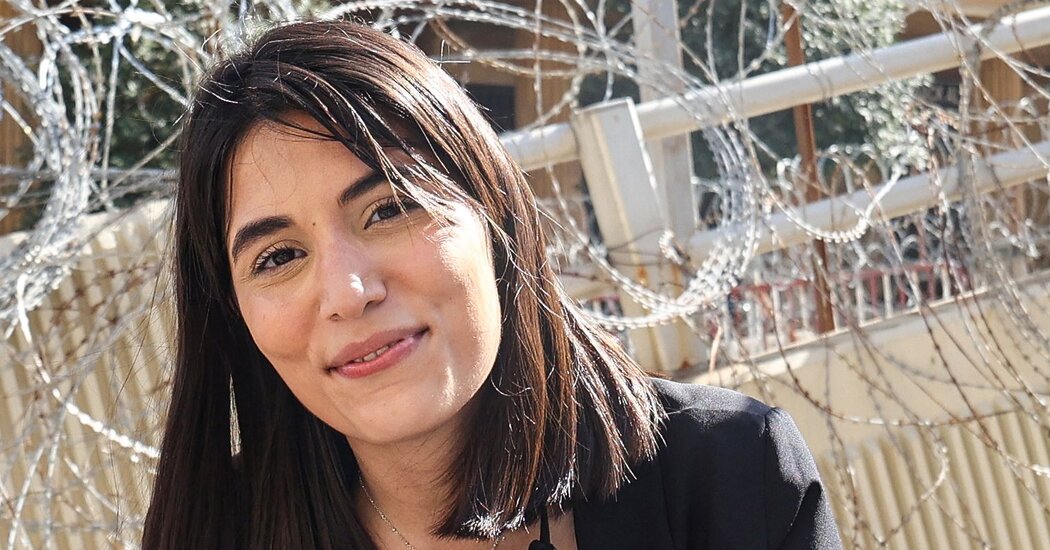
Ali Shaib, a reporter for Al-Manar, and Fatima Fatouni, a correspondent for Al-Mayadeen, were killed in an Israeli airstrike that targeted a region in Lebanon, sparking outrage from media outlets and the international community. The incident comes at a sensitive time as tensions between Lebanon and Israel escalate, raising fears of a broader conflict in the region.
The Israeli airstrike took place in a border area, where reports indicated clashes between Israeli forces and Lebanese groups. This attack is part of a series of military operations conducted by Israel recently, targeting various sites in Lebanon, which raises concerns within the international community regarding stability in the region.
Details of the Incident
According to local sources, the Israeli airstrike targeted a group of journalists who were covering events in the area. Ali Shaib and Fatima Fatouni were on-site documenting the events and sustained fatal injuries as a result of the bombing. The incident has drawn widespread condemnation from human rights organizations that have called for the protection of journalists in conflict zones.
This incident is a stark example of the dangers faced by journalists in conflict areas, where they are often subjected to assaults and attacks. Many media organizations condemned the incident, emphasizing the need to protect journalists and ensure their safety while performing their professional duties.
Background & Context
Historically, the Lebanese-Israeli border has witnessed recurring tensions, with political and military interests overlapping between the two sides. Since 2006, when the Second Lebanon War broke out, the region has experienced numerous clashes and military operations, resulting in the loss of many lives.
In recent years, tensions have intensified due to disputes over maritime and land borders, in addition to Israeli military activities in Lebanese territory. These events contribute to creating an unstable environment, increasing the risks to the lives of both civilians and journalists alike.
Impact & Consequences
This incident marks a turning point in how the international community addresses the Lebanese-Israeli conflict. The killing of journalists may lead to increased calls for sanctions against Israel for human rights violations, as well as pressure on Arab and international governments to act more effectively to protect journalists.
Moreover, this incident could escalate tensions in Lebanon, as armed groups in Lebanon may respond militarily, increasing the risk of a wider conflict in the region. This situation requires the international community to take urgent steps to de-escalate tensions and ensure the safety of civilians.
Regional Significance
This incident serves as a wake-up call for Arab countries regarding the necessity of protecting journalists and promoting freedom of expression. Given the tense situations in many Arab countries, there should be increased efforts to ensure the safety of journalists and provide them with a secure environment to perform their work.
Furthermore, the incident reflects the significant challenges faced by media in conflict areas, necessitating greater international support to protect journalists and uphold their rights. Ultimately, there must be an urgent response from the international community to address these violations and ensure the safety of journalists worldwide.