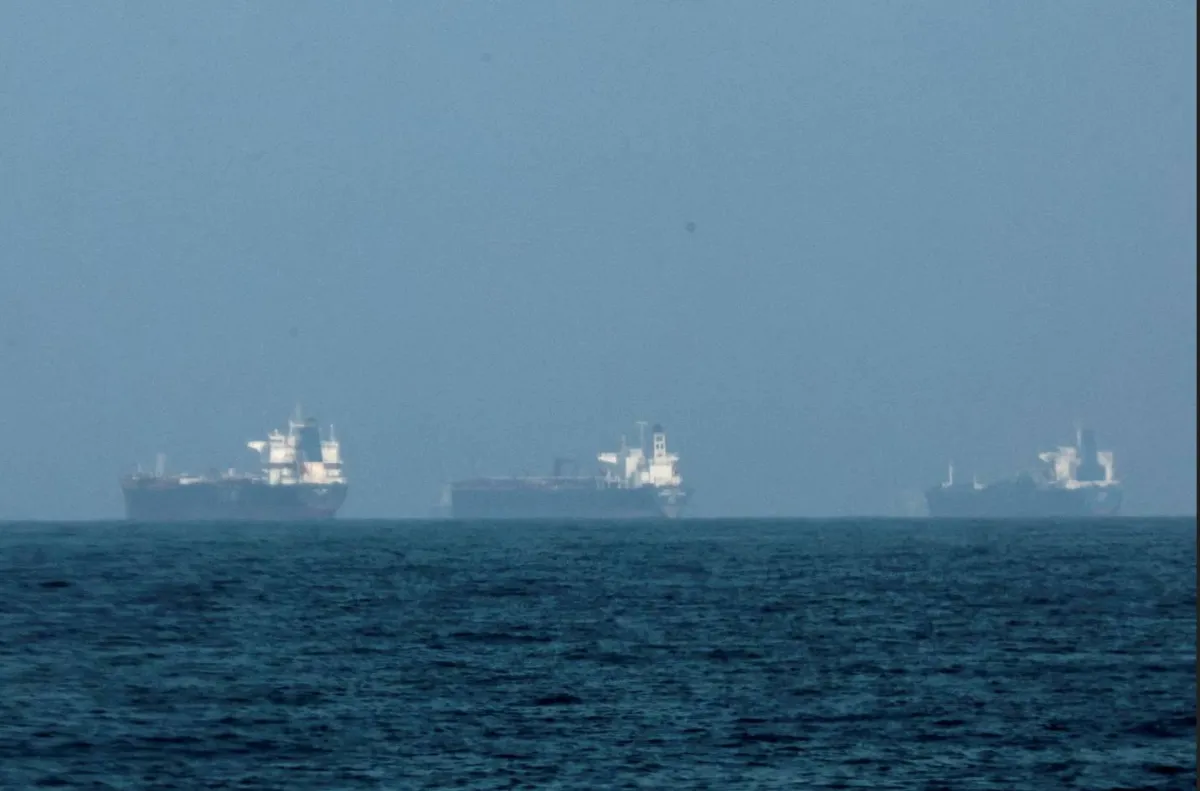
Two Qatari ships loaded with liquefied natural gas from Ras Laffan retreated after heading east towards the Hormuz Strait, according to ship tracking data released on Monday. This retreat comes at a sensitive time, as the vessels, Al-Dhaain and Rashida, were on their way to cross the strait, which would have set a precedent under the current circumstances.
If the ships had successfully crossed the strait, it would have been the first crossing of LNG shipments through this waterway since the beginning of the U.S.-Israeli war on Iran on February 28. Data showed that both vessels belong to QatarEnergy, having been loaded in late February.
Details of the Incident
While the Al-Dhaain tanker was indicating its destination as China, data from analytics firms Kepler and LSEG revealed that the movement of both tankers halted as they approached the strait. Notably, the Japanese LNG tanker Sohar had previously managed to cross the strait, but without carrying any shipments.
The escalation of tensions in the region, including Iranian attacks, has disrupted the movement of oil and gas tankers through the Hormuz Strait, negatively impacting global energy flows. Estimates suggest that approximately 17% of Qatar's LNG export capacity has been halted due to these events.
Background & Context
Qatar is the world's second-largest exporter of liquefied natural gas, with most of its shipments directed towards Asian markets. However, increasing tensions in the region, including the Iranian war, have significantly reduced these shipments. Under these circumstances, the importance of the Hormuz Strait as a vital energy transit route is highlighted, as it accounts for nearly one-fifth of global oil and gas flows.
Concerns are growing that the ongoing conflict in the region could lead to further disruptions in energy markets, adversely affecting the global economy. Jamie Dimon, CEO of JPMorgan Chase, noted that the war in Iran could result in significant shocks to oil and commodity prices.
Impact & Consequences
The repercussions of these events extend beyond the region, as rising oil and gas prices could impact the global economy overall. Dimon warned that the continuation of the conflict could keep inflation high, potentially pushing interest rates to higher than expected levels. Additionally, the effects of these events may extend to financial markets, where investors anticipate significant price volatility.
As pressures mount on European Union countries, which heavily rely on energy imports from the Middle East, any escalation in the conflict could increase economic pressures on these nations. Conversely, these events could affect the stability of global financial markets, heightening uncertainty.
Regional Significance
These developments serve as a wake-up call for Arab countries, reflecting the increasing tensions in the region and the need for new strategies to ensure energy security. While Arab nations strive to diversify their income sources, reliance on traditional energy remains a significant challenge.
These circumstances require Arab countries to enhance regional cooperation and develop effective strategies to address potential crises. There should also be joint efforts to secure vital transportation routes and boost investments in renewable energy sources.
In conclusion, the significance of these events underscores the challenges faced by the region amid changing geopolitical conditions. The ongoing tensions in the Hormuz Strait could directly impact the stability of global markets, necessitating a swift and effective response from the concerned nations.