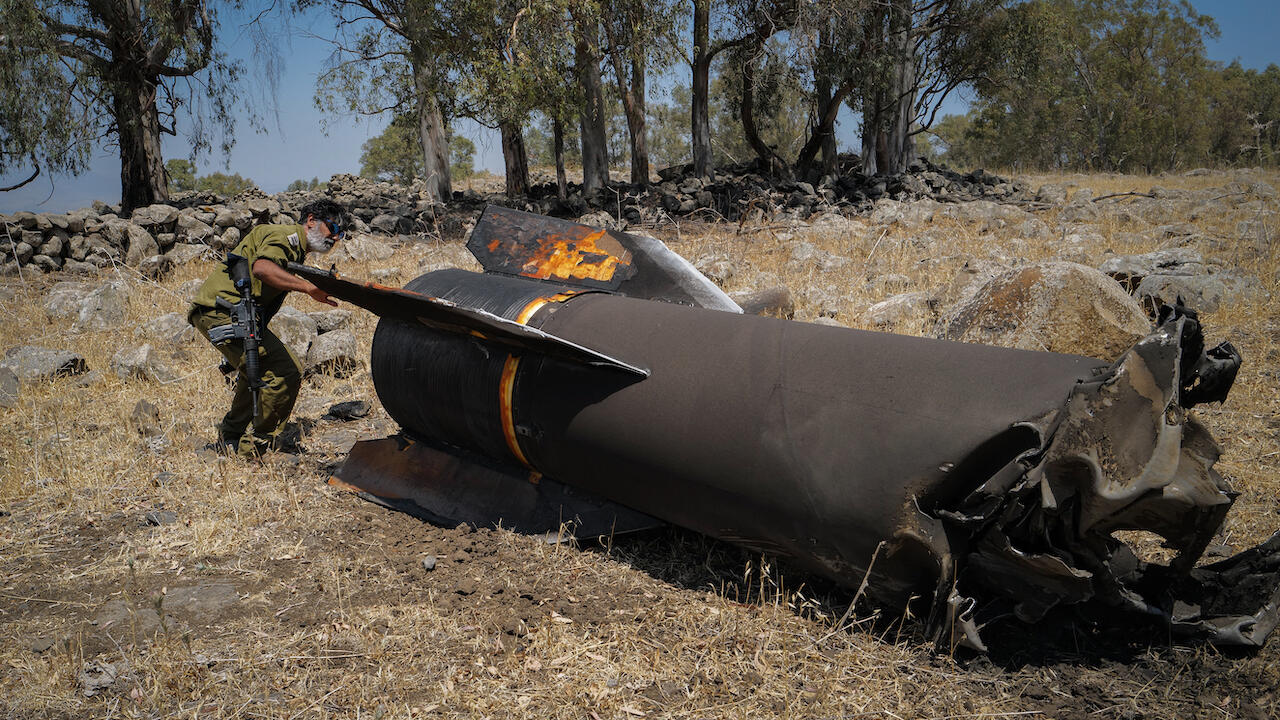
The United States and Iran have announced a two-week ceasefire intended to stop the joint military campaign between the US and Israel. This truce comes at a time when the Strait of Hormuz is experiencing increasing tensions, as it is considered one of the most critical maritime passages in the world.
Strategic consultant Kirsten Fontenrose from Systems Planning & Analysis stated in an interview with Bloomberg that this ceasefire could help alleviate tensions in the region. She also added that reopening the Strait of Hormuz would have a significant impact on global trade flows.
Details of the Ceasefire
This ceasefire follows a series of military escalations between the US and Iran, with mutual military operations occurring in recent weeks. The truce aims to provide both sides an opportunity to reassess their strategies and could serve as a starting point for broader negotiations in the future.
This move is significant, as the Strait of Hormuz is a vital artery for global oil trade, witnessing daily traffic from numerous commercial vessels. Any closure of this strait could lead to rising oil prices and impact the global economy.
Background & Context
Historically, the relationship between the United States and Iran has been fraught with severe tensions, especially following the US withdrawal from the Iranian nuclear deal in 2018. Since then, tensions have escalated significantly, leading to exchanges of threats and military operations.
The region suffers from instability, with major powers playing a crucial role in determining its fate. The current ceasefire may present an opportunity to reconsider regional and international policies.
Impact & Consequences
The ceasefire could lead to a de-escalation of tensions in the region, potentially contributing to the stabilization of global oil markets. If this truce succeeds, it may open doors for new negotiations between the US and Iran, which could help achieve lasting peace.
However, the question remains regarding the seriousness of both parties in adhering to this ceasefire, especially given the long history of mistrust between them. Any breach of the ceasefire could lead to a new escalation in the conflict.
Regional Significance
The neighboring Arab countries to Iran and the United States are among the most affected by these developments. Any escalation in tensions could impact the stability of these nations, particularly those that rely on oil as a primary source of revenue.
If the ceasefire is successful, it could improve relations between Iran and some Arab countries, leading to greater cooperation in areas such as economics and security.
In conclusion, the ceasefire between the United States and Iran represents a rare opportunity to alleviate tensions in a region plagued by instability. There is hope that this step will lead to lasting peace in the area.