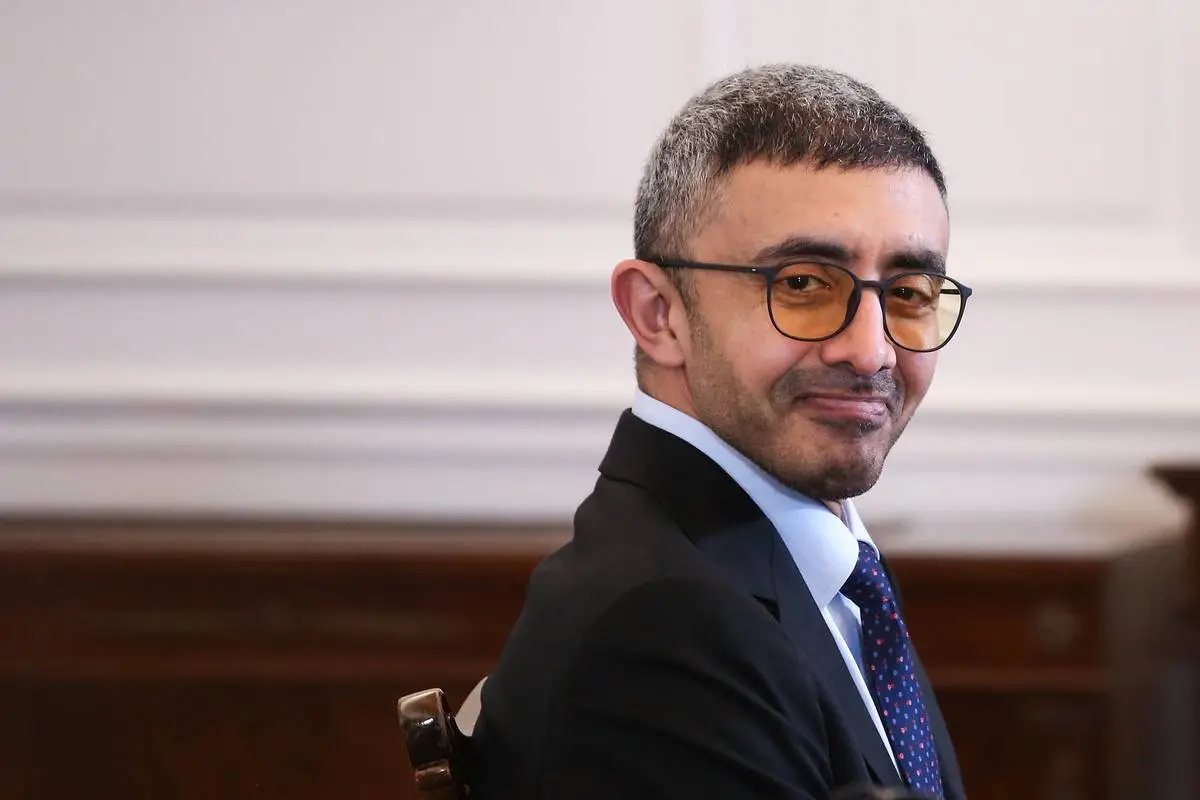
UAE Foreign Minister, Sheikh Abdullah bin Zayed Al Nahyan, stated during an Arab League meeting that "coercion will not succeed" in dealing with Iran, emphasizing the need to enhance Arab cooperation to confront regional challenges. These remarks come at a time when tensions in the region are escalating, necessitating a unified Arab stance.
The minister also pointed out the importance of dialogue and understanding between Arab countries and Iran, calling for the establishment of relationships based on mutual respect and non-interference in internal affairs. These statements are part of the UAE's efforts to bolster security and stability in the region.
Key Points from the Meeting
In his speech at the meeting, Sheikh Abdullah bin Zayed addressed several key points regarding Arab-Iranian relations. He stressed that Arab nations must be cautious of any attempts at coercion, indicating that such a strategy would only lead to further tension and instability. He also called for the necessity of enhancing cooperation among Arab states to tackle common challenges, including security threats.
The minister touched upon the importance of strengthening economic and cultural ties between Arab countries and Iran, asserting that dialogue is the optimal way to resolve outstanding issues. He reiterated the need to work together to achieve security and stability in the region, away from any attempts at escalation or tension.
Background & Context
Historically, Arab-Iranian relations have been marked by increasing tensions, particularly amid regional conflicts such as the disputes in Syria and Yemen. The UAE has often sought to maintain a balance in its relations with Iran, aiming to protect its national interests amid the political changes in the region.
In recent years, concerns have grown regarding Iran's nuclear activities and its interventions in the internal affairs of Arab states, leading to increased calls from Arab nations to enhance cooperation to address these challenges. The UAE Foreign Minister's remarks come in this context, as he seeks to strengthen the unified Arab position.
Impact & Consequences
Sheikh Abdullah bin Zayed's statements could significantly impact relations between Arab countries and Iran. With rising tensions, these remarks may lead to further divisions between Arab states and Iran, complicating efforts for peace and stability in the region. On the other hand, they may prompt Arab nations to bolster their security and economic cooperation to address shared challenges.
Additionally, these statements could affect economic relations between Arab countries and Iran, as fears regarding investments and trade cooperation may rise amid political tensions. At the same time, they could lead to enhanced collaboration among Arab states in the fields of security and defense.
Regional Significance
The UAE Foreign Minister's remarks serve as a call for Arab nations to unite in facing common challenges. With escalating tensions in the region, it is crucial for Arab states to adopt a unified stance that ensures their interests and security. Strengthening Arab cooperation could contribute to achieving stability in the region and limiting external interventions.
In conclusion, Arab-Iranian relations remain a focal point of significant interest, as the current circumstances require more dialogue and understanding among the involved parties. Sheikh Abdullah bin Zayed's statements reflect the UAE's vision to enhance security and stability in the region, opening the door for new cooperation opportunities.