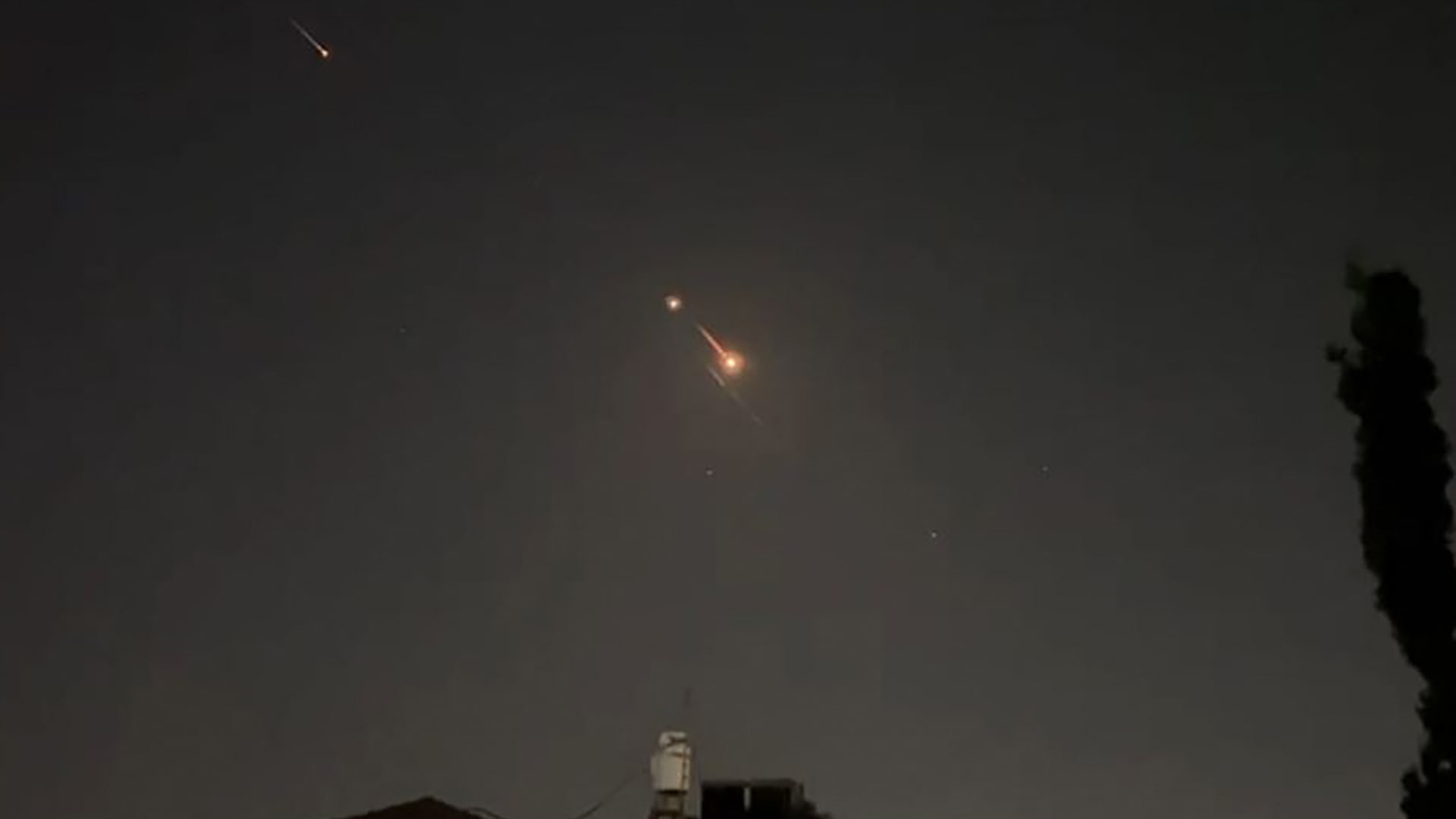
The UAE Ministry of Defense announced that the country's air defenses successfully intercepted nine drones coming from Iran. This incident highlights the military readiness of the armed forces to counter aerial threats amid rising regional tensions. The event comes at a sensitive time when military tensions in the region are escalating, raising concerns about regional security.
This incident is part of a series of events indicating an increase in Iranian military activities in the region, as Iran continues to develop its military capabilities, including drones used for reconnaissance and attacks.
Details of the Incident
According to official data, the drones were detected early this morning, prompting the UAE air defenses to take necessary measures to intercept them. No damage or injuries were reported as a result of this attack, demonstrating the effectiveness of the country's defensive systems.
It is worth noting that the UAE has significantly invested in modernizing and enhancing its defense capabilities, especially given the increasing threats from armed groups and neighboring countries. The UAE Ministry of Defense has reaffirmed its commitment to protecting national airspace and ensuring the safety of citizens and residents.
Background & Context
Historically, the Arabian Gulf region has witnessed increasing tensions between Iran and Arab states, particularly following the United States' withdrawal from the nuclear agreement with Iran in 2018. This withdrawal led to heightened tensions, as Iran began expanding its influence in the region by supporting armed groups and developing its military programs.
In recent years, Iran has utilized drones as a strategic tool in its regional conflicts, employing them in attacks on military and civilian targets in countries such as Saudi Arabia and the UAE. This increasing use of drones reflects a shift in the nature of conflicts in the region, where technology plays a pivotal role in military operations.
Impact & Consequences
This incident serves as a reminder of the complexity of the security situation in the Gulf region, where any escalation in tensions could have serious repercussions for regional security. These events are likely to lead to increased military cooperation among Arab states to address common threats.
Moreover, the successful interception of these drones reflects the UAE's capability to protect its airspace, potentially enhancing its position as a supporter of regional security. However, the ongoing aerial threats may compel the UAE to further bolster its investments in air defense and military technology.
Regional Significance
The implications of this event extend beyond the UAE, affecting security and stability across the Arab region. The escalation of Iranian military activities could heighten tensions between Arab states and Iran, negatively impacting peace and stability efforts in the region.
Furthermore, these events may foster military cooperation among Arab states, reflecting the urgent need to confront shared threats. Under these circumstances, it becomes essential for Arab nations to adopt effective strategies for security cooperation and joint defense.
In conclusion, the successful interception of Iranian drones underscores the UAE's ability to safeguard its national security, but it also highlights the ongoing challenges facing the region. Amid rising tensions, the need for dialogue and security cooperation among Arab states remains critical to ensuring stability and peace in the region.