The United Arab Emirates has strongly condemned the terrorist attack launched by Iran on Kuwait, describing it as an unjustified act that requires a firm response from the international community. This statement comes at a time when the region is experiencing increasing tensions, raising concerns about the stability of regional security.
In an official statement, the UAE reaffirmed its steadfast position in supporting Kuwait and its right to defend its sovereignty and security. The UAE also called on the international community to take strict measures against any aggressions that threaten regional security, emphasizing the importance of cooperation among Arab countries to face common challenges.
Details of the Incident
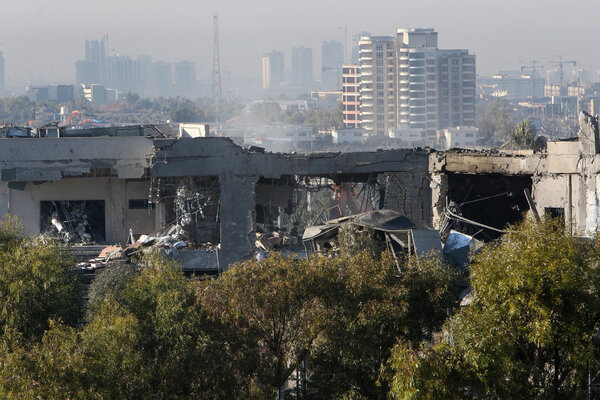
The Iranian attack on Kuwait comes amid a series of escalating tensions between Iran and the Gulf states. Reports indicate that the attack targeted vital facilities in Kuwait, leading to panic and concern among citizens. Kuwaiti authorities confirmed that they are assessing the damage and taking necessary measures to ensure the safety of citizens.
This attack is not the first of its kind, as the region has witnessed a rise in hostile actions in recent years, raising questions about Iran's intentions in the area. Many Arab countries have expressed their concerns regarding Iran's actions, which they consider a threat to Arab national security.
Background & Context
Historically, relations between Iran and the Gulf states have been tense, with the region experiencing numerous political and military crises. Since the Iranian Revolution in 1979, tensions have escalated, particularly with Iran's interference in the internal affairs of countries such as Iraq, Syria, and Lebanon.
In recent years, tensions have further intensified due to Iran's nuclear program, which has raised fears among Gulf states about the potential military use of this program by Iran. Additionally, Iran's support for armed militias in the region has increased concerns about the stability of neighboring countries.
Impact & Consequences
The Iranian attack on Kuwait could lead to an escalation of tensions in the region, threatening regional security and increasing the likelihood of new conflicts. Arab countries may find themselves compelled to adopt harsher stances towards Iran, which could lead to heightened military tensions.
This attack may also affect relations between Arab countries and Iran, as some nations might seek to strengthen their alliances with Western powers to counter Iranian threats. This could potentially lead to increased military and economic support for Arab countries from the United States and other nations.
Regional Significance
These events serve as a wake-up call for Arab nations, highlighting the need to enhance security and defense cooperation among Arab states to address common challenges. Such developments may lead to the formation of new alliances in the region, as countries strive to protect their national security.
Furthermore, the escalation in relations between Iran and the Gulf states could impact the regional economy, potentially leading to increased oil prices due to instability in the area. This situation could affect countries that heavily rely on oil exports, complicating economic conditions in the region.
In conclusion, the Iranian attack on Kuwait represents a significant challenge to regional security and reflects the urgent need for cooperation among Arab states to confront common threats. Under these circumstances, Arab countries must adopt effective strategies to protect their sovereignty and security.