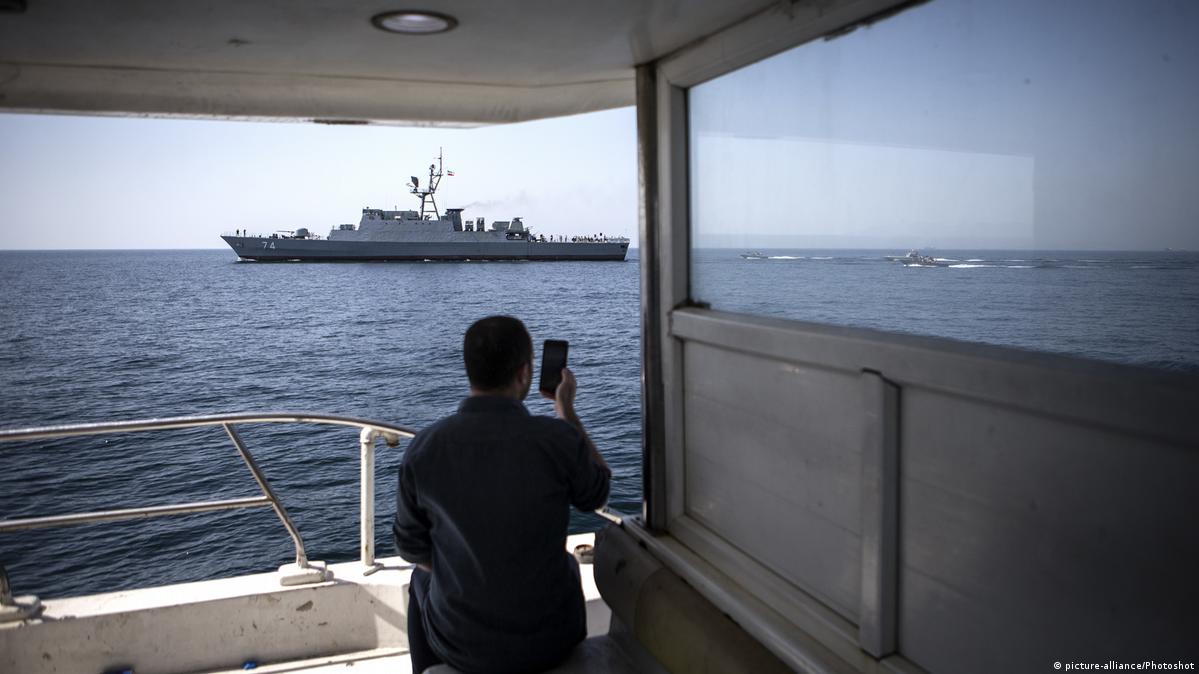
The United Arab Emirates has voiced its profound disappointment following the failure of the United Nations Security Council to take tangible steps to address the crisis in the Strait of Hormuz, which has seen a rise in tensions in recent times. This failure comes at a time when concerns are growing about the impact of these crises on maritime security and global trade.
In an official statement, the UAE's Ministry of Foreign Affairs emphasized that the Council's lack of effective measures reflects the international community's inability to confront the increasing security challenges in the region. The Strait of Hormuz, considered one of the most important waterways in the world, has witnessed a surge in military activities and tensions between the concerned nations, raising alarms about the safety of navigation.
Details of the Incident
There are rising fears that the ongoing tensions in the Strait of Hormuz could lead to military escalation that may affect commercial shipping. Recently, the region has experienced several incidents involving vessels, prompting the concerned nations to bolster their military presence. The UAE, which heavily relies on maritime trade, is particularly worried about the repercussions of these situations on its national economy.
Simultaneously, the UAE continues to collaborate with its international partners to enhance security in the region. It has called for collective action to address the threats facing navigation in the Strait of Hormuz, stressing the importance of international cooperation in this context.
Background & Context
The Strait of Hormuz is a crucial transit point for approximately 20% of the world's total oil supply, making it one of the most significant waterways globally. Historically, the strait has seen numerous crises and tensions, especially between Iran and Western nations. In recent years, tensions have notably escalated, impacting the stability of the region.
The UAE is one of the primary countries dependent on this vital passage, with most of its oil exports routed through it. Therefore, any escalation in tensions could have negative effects on the UAE's economy, underscoring the importance of stabilizing the situation in the region.
Impact & Consequences
The failure to address the crisis in the Strait of Hormuz could lead to serious repercussions for both regional and international security. Increased tensions may result in rising oil prices, affecting the global economy. Additionally, instability in this area could adversely impact global trade flows, heightening the risks of economic crises.
Moreover, the escalation of military activities in the region could intensify conflicts, necessitating international interventions that may have unforeseen consequences. Thus, the need for an effective response from the international community has become more urgent than ever.
Regional Significance
The crises in the Strait of Hormuz have a direct impact on Arab countries, many of which rely on oil and gas as a primary source of revenue. Any escalation in tensions could destabilize these nations, increasing the importance of Arab cooperation in addressing security challenges.
In this context, Arab nations must enhance their joint efforts to protect their economic and security interests and work towards finding diplomatic solutions to the escalating crises in the region.