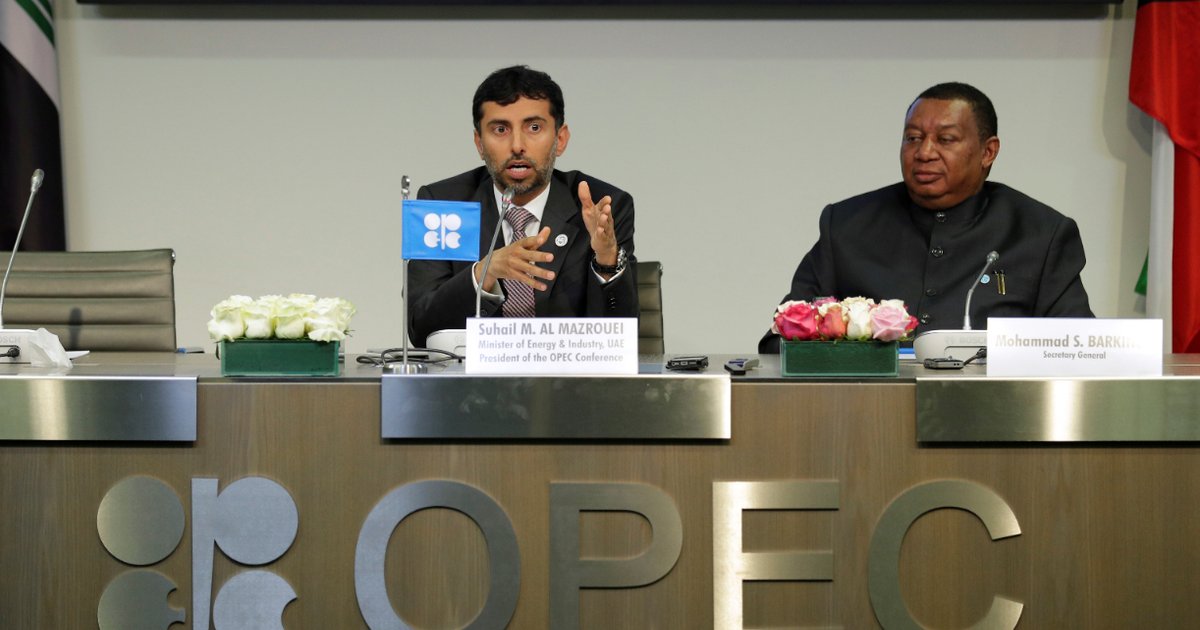
The United Arab Emirates has announced a strategic plan aimed at increasing its oil production to 5 million barrels per day, following its decision to exit the OPEC+ alliance. This initiative is part of the UAE's efforts to enhance its position as one of the leading oil producers globally and to meet the rising energy demand in international markets.
This step comes at a sensitive time when the global market is undergoing substantial changes, with many countries seeking to boost their oil production to address economic and environmental challenges. UAE officials have indicated that this plan will contribute to strengthening the national economy and providing more investment opportunities.
Details of the Announcement
The UAE is considered one of the largest oil producers in the world and has shown significant resilience in dealing with the challenges facing the oil market. After its exit from the OPEC+ alliance, the UAE aims to significantly increase its production, reflecting its desire to capitalize on the growing demand for oil in global markets.
The new plan includes substantial investments in developing oil fields and the necessary infrastructure to support this production. The UAE hopes that this expansion will enhance its position in the global energy market.
Background & Context
Over the years, the UAE has been a key part of the OPEC+ alliance, which aims to regulate oil production to maintain price stability. However, changes in the global market, including increased energy demand, have prompted the UAE to reassess its strategy.
Historically, the UAE has witnessed significant growth in its oil sector, with oil revenues contributing to building a strong and diversified economy. With its exit from OPEC+, the UAE is moving towards enhancing its independence in making decisions related to oil production.
Impact & Consequences
This move is expected to have a significant impact on the global oil market. An increase in UAE production may lead to changes in prices, as other countries will seek to adapt to this shift. Additionally, this step may provoke reactions from OPEC member countries, which may be concerned about the impact on market stability.
Moreover, increasing production could enhance the UAE's ability to attract foreign investments, contributing to economic growth. However, the UAE must balance increased production with environmental preservation, especially amid global pressures to reduce carbon emissions.
Regional Significance
This step is significant not only for the UAE but for the Arab region as a whole. An increase in oil production in the UAE could affect neighboring countries that also rely on oil revenues. Furthermore, this move may enhance competition among Arab nations in the energy sector, potentially leading to changes in economic and political relations.
In conclusion, the UAE's plan to increase oil production represents a bold step that reflects its ambitions to strengthen its position in the global energy market. However, the challenges it faces require careful management of this increase to ensure the achievement of economic and environmental goals.