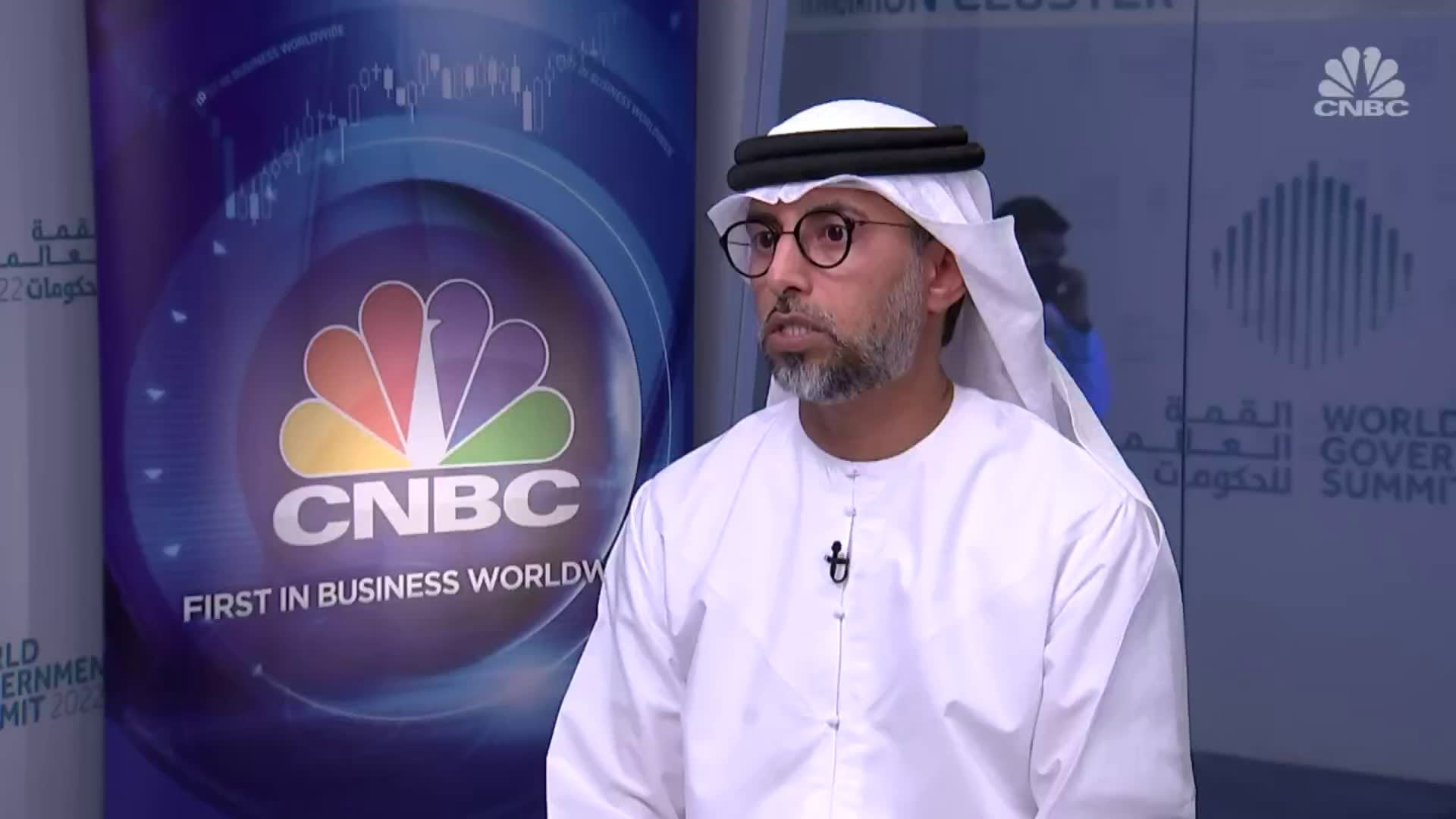
The United Arab Emirates has announced its decision to withdraw from OPEC and its allies effective May 1. This decision comes at a time when the global oil sector is facing significant disruptions due to the war in Iran, which has greatly impacted global oil supplies.
This decision reflects a strategic shift in the UAE's oil policy, as the country has been a member of OPEC since its establishment six decades ago. This withdrawal indicates the UAE's desire to take more independent steps in managing its oil production, especially in light of the increasing challenges facing the global market.
Details of the Event
The UAE is considered one of the largest oil producers in OPEC and has played a pivotal role in stabilizing global oil prices. However, regional tensions and the war in Iran have led to significant changes in market dynamics. The UAE aims to enhance its production capacity independently, which could affect the balance of supply and demand in the market.
In recent years, the UAE has seen an increase in its oil production, surpassing its allocated quotas in OPEC. This trend could have implications for relations with other member countries in the organization, which may view this withdrawal as a threat to market stability.
Background & Context
OPEC was founded in 1960 in response to the challenges faced by oil-producing countries. Since then, the organization has played a vital role in regulating oil production to ensure price stability. However, geopolitical and economic changes in recent years, including the war in Iran, have significantly affected market stability.
Historically, the UAE has been one of the countries that contributed to market stability, but with rising regional tensions, it has become clear that member countries need to reassess their strategies. Withdrawing from OPEC may provide the UAE with a greater opportunity to control its production and direct its investments more effectively.
Impact & Consequences
The UAE's withdrawal from OPEC could lead to significant changes in the global oil market. This decision may result in increased UAE production, potentially affecting global prices. Additionally, this withdrawal could open the door for other countries to expand their production, increasing competition in the market.
Moreover, this decision may impact relations between the UAE and other OPEC member countries. It could lead to new tensions in relations, especially if other countries feel that the UAE is exceeding its production quotas. This could increase market instability, affecting global prices.
Regional Significance
The UAE's withdrawal from OPEC is a significant step that could impact the Arab economy as a whole. As one of the largest economies in the region, its withdrawal may alter the dynamics of the oil market in the Middle East. This could affect other countries that heavily rely on oil revenues.
At the same time, this decision may encourage other countries to reassess their oil strategies, potentially leading to changes in how production and distribution are managed in the region. Furthermore, this withdrawal could open up new investment opportunities in the renewable energy sector, as Arab countries seek to diversify their economies away from oil.
In conclusion, the UAE's withdrawal from OPEC represents a significant shift in energy policy in the region, and other member countries in the organization should closely monitor this development. As tensions in the region continue, this decision may have far-reaching implications for the global oil market.