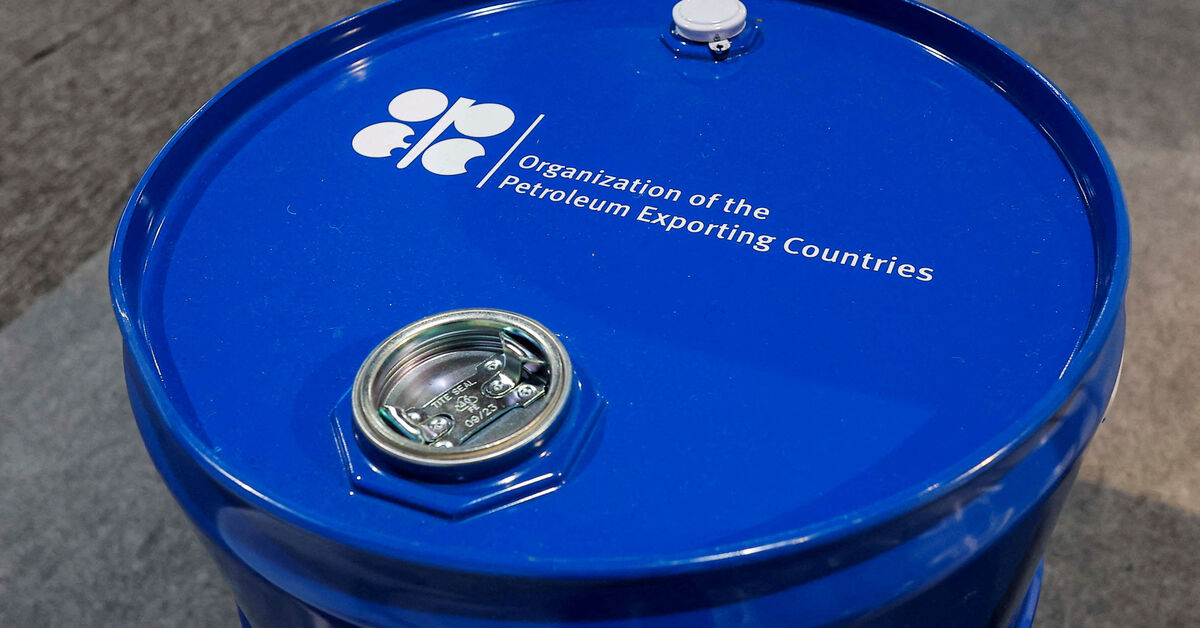
The United Arab Emirates, a key member of the OPEC+ alliance, has announced its decision to withdraw from the coalition effective May 1. This decision comes at a sensitive time as the UAE is the fourth largest oil producer in OPEC+, which includes a group of oil-producing countries such as Russia.
The OPEC+ alliance, which comprises 23 countries, plays a vital role in determining global oil prices, having produced approximately 50% of the world's total oil and liquid fuels last year, according to estimates from the International Energy Agency. This withdrawal could significantly impact market dynamics and oil prices in the near future.
Details of the Withdrawal
The UAE's decision followed a series of meetings and discussions regarding production strategies and pricing. This withdrawal is considered an unprecedented step from a country that has been seen as a key ally in OPEC+'s efforts to stabilize the oil market. This decision also reflects the UAE's new directions in the energy sector, as it seeks to enhance its independence in managing its oil resources.
It is noteworthy that the UAE had previously expressed its desire to increase its oil production, which could conflict with OPEC+ policies aimed at reducing output to support prices. This shift may open the door for the UAE to focus on its own energy strategies.
Background & Context
The Organization of the Petroleum Exporting Countries (OPEC) was established in 1960 to coordinate the oil production policies of its member states. Over time, other countries such as Russia joined the coalition, leading to the formation of OPEC+. Since then, the organization has played a pivotal role in stabilizing global oil markets, especially amid economic and political fluctuations.
In recent years, oil prices have experienced significant volatility due to geopolitical crises, such as conflicts in the Middle East and the COVID-19 pandemic. OPEC+ has contributed to restoring market balance through production cuts, which helped raise prices. However, the UAE's withdrawal could reshape these dynamics.
Impact & Consequences
The UAE's exit from OPEC+ may lead to an increase in its oil production, potentially contributing to a rise in supply in the market. This could, in turn, exert pressure on prices, especially if other OPEC+ countries do not take similar steps to support prices. Additionally, this decision may raise concerns in global markets that rely on stable oil prices.
Furthermore, this withdrawal could affect the relationships between the UAE and other member countries of OPEC+. If the UAE continues to increase its production, tensions within the alliance may rise, impacting the strategies of other countries in managing their oil output.
Regional Significance
The UAE's withdrawal from OPEC+ is a significant event for the Arab region, as many countries rely on oil revenues to support their economies. This decision may prompt a reevaluation of energy strategies among other Arab nations, particularly those facing economic challenges.
At the same time, this withdrawal may open new opportunities for the UAE to enhance its position as a leading energy nation by investing its resources more independently. However, the challenges it may face in the global market remain significant.
In conclusion, the UAE's exit from OPEC+ represents a major shift in the global energy landscape, and other member countries in the alliance must closely monitor the repercussions of this decision.