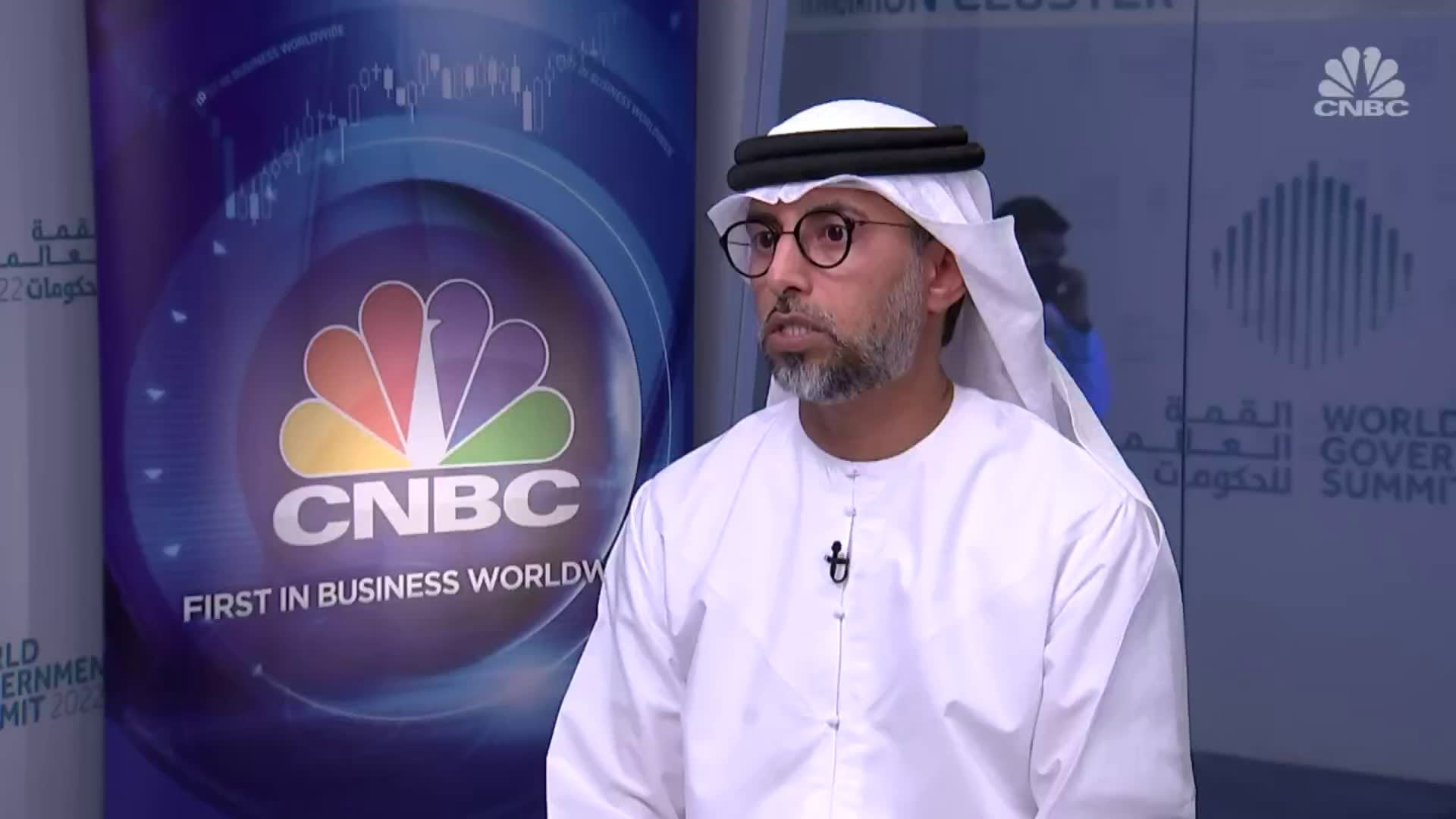
The United Arab Emirates has officially announced its withdrawal from OPEC and OPEC+, an unprecedented move after more than 60 years of membership. This decision is part of the UAE's efforts to achieve its economic and strategic vision that aligns with global changes in the energy sector.
The UAE's Minister of Energy stated that this withdrawal will provide the country with greater flexibility in managing its oil production, as it will no longer be bound by the restrictions imposed by the two organizations. This decision is seen as a significant blow to OPEC, as the UAE has lost approximately 15% of its production capacity, raising questions about the future of the organization and its ability to maintain cohesion.
Details of the Event
The UAE joined OPEC in 1967, and since then has become one of the most committed members of the organization. With a production of about 2.9 million barrels of oil per day, its withdrawal will significantly impact market balance. It is noteworthy that Saudi Arabia, considered the de facto leader of OPEC, produces around 9 million barrels daily, meaning it will bear the brunt of market management following the UAE's exit.
Analyst Saul Kavonic, head of energy research at MST Financial, pointed out that this withdrawal could signal the beginning of the end for OPEC, as Saudi Arabia will face significant challenges in maintaining the cohesion of the remaining members. This decision may also lead to further withdrawals from other countries in the organization, complicating the situation even more.
Background & Context
Over the decades, OPEC has played a pivotal role in regulating the global oil market, contributing to price determination and ensuring market stability. However, changes in global oil demand, along with the emergence of renewable energy sources, have led to a reevaluation of the organization's role. In recent years, OPEC has faced significant challenges, including competition from U.S. shale oil and shifts in environmental policies.
The UAE is among the countries that have heavily invested in diversifying energy sources, aiming to reduce its dependence on oil. This trend aligns with the UAE Vision 2021, which aims to achieve sustainable development and enhance the national economy.
Impact & Consequences
The UAE's withdrawal from OPEC could reshape the geopolitical landscape in the Middle East and oil markets. Saudi Arabia will find itself compelled to take on greater responsibilities in managing production and balancing the remaining members. Furthermore, this withdrawal may open the door for other countries to consider similar options, potentially leading to the long-term disintegration of OPEC.
Moreover, this decision could cause fluctuations in global oil prices, as markets will be directly affected by OPEC's diminished ability to control production. This could lead to price increases in the event of any production disruptions from other countries.
Regional Significance
For Arab countries, the UAE's withdrawal from OPEC may raise concerns about oil price stability, which directly impacts their economies. Many Arab nations rely on oil revenues as a fundamental part of their budgets, and thus any changes in the market could affect their economic development plans.
In conclusion, the UAE's withdrawal from OPEC represents a significant shift in energy policy in the region and reflects global changes in this sector. It will be crucial to monitor the reactions of other countries and how they will respond to this new development.