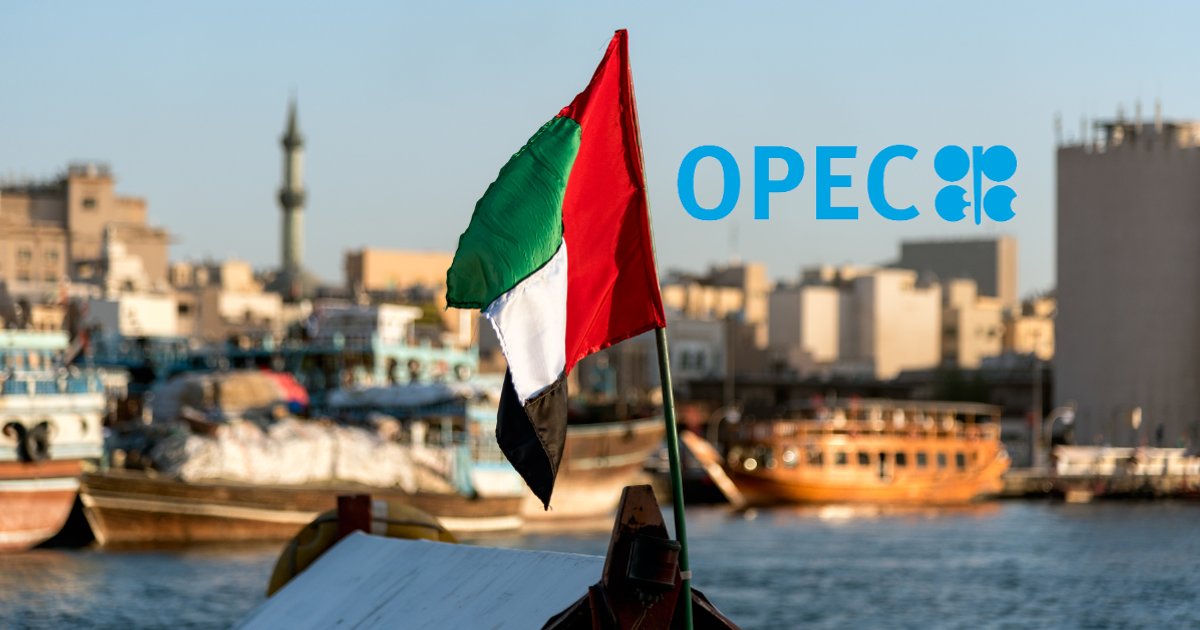
The United Arab Emirates has announced its unexpected decision to withdraw from OPEC, shocking its partners who have collaborated with it for six decades. This move presents new challenges for the organization to maintain its influence in the rapidly changing global oil market. The decision comes at a time when oil prices are experiencing significant fluctuations, complicating the situation for OPEC.
Historically, the UAE has been one of the key members of OPEC, significantly contributing to the determination of production policies and prices. However, this decision reflects a shift in the country’s oil strategy, which aims to enhance its independence in managing its resources.
Details of the Event
In an unexpected move, the UAE has decided to withdraw from OPEC, raising questions about the future of the organization and its role in the global oil market. This withdrawal serves as a warning to other members, who are facing increasing pressures from global competition and changing demand.
The UAE's decision comes at a sensitive time when major countries are striving to achieve a balance between production and prices. It is believed that the UAE seeks to increase its oil production independently, which could impact price stability in the market.
Background & Context
OPEC was established in 1960 and has successfully organized oil production among member countries over the past decades. However, changes in the global market, including increased production from the United States and shifts in demand, have posed new challenges for the organization.
The UAE is considered one of the largest oil producers in the world and has contributed to market stability through its commitment to OPEC decisions. Nevertheless, the shift towards increased production may reflect the UAE's desire to enhance its role as a major energy supplier in the region.
Impact & Consequences
The UAE's withdrawal from OPEC is seen as a seismic event in the oil market, as it may lead to increased tensions among other members. This decision could open the door for other countries to consider similar options, potentially weakening OPEC's power as an organization.
Moreover, this withdrawal may affect global oil prices, as it could lead to increased production from other countries, thereby increasing supply in the market. This may contribute to new price fluctuations, impacting the global economy.
Regional Significance
The UAE's withdrawal from OPEC represents a significant event for the Arab region, as it highlights changes in oil dynamics. This decision may lead to a reevaluation of relationships among oil-producing countries in the region and could encourage other nations to take similar steps.
In light of these developments, Arab countries must consider new strategies to adapt to changes in the oil market and enhance cooperation among themselves to ensure price stability and competitiveness in the global market.