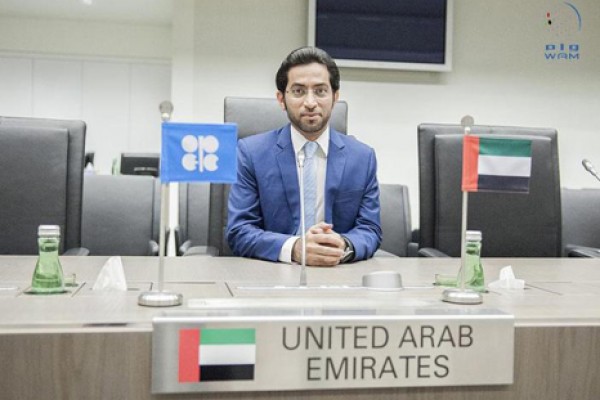
On Tuesday, the UAE announced its withdrawal from OPEC and the OPEC+ alliance, marking a significant blow to both groups during a time of unprecedented energy sector shocks due to the Iranian conflict. This decision comes as global oil markets face unprecedented volatility, complicating the economic landscape in the region.
The UAE's exit from OPEC is an unprecedented move, as the Gulf state has been one of the key members of the organization. This decision raises questions about the future of the oil alliance and its ability to confront current challenges. In recent years, oil prices have experienced sharp fluctuations, prompting many member countries to reassess their market strategies.
Details of the Event
The UAE's Ministry of Energy announced that the decision followed a comprehensive review of oil policies, indicating that the UAE seeks to achieve its own energy goals. The ministry confirmed that this decision does not mean abandoning its commitments to the global market, but is part of a broader strategy to enhance local production.
The UAE is one of the largest oil producers in the world and has significantly contributed to price stability in recent years. However, regional tensions, particularly the Iranian conflict, have greatly impacted the market, prompting the UAE to take bold steps.
Background & Context
OPEC was established in 1960 with the aim of coordinating oil policies among member countries. Over time, OPEC+ has included other countries such as Russia, increasing its influence in the global market. However, the challenges facing the organization today, including changes in global oil demand and shifts towards renewable energy, have made it difficult to maintain unity among members.
In recent years, the region has witnessed increasing tensions, especially with the escalation of the Iranian conflict. These conditions have led to increased pressures on oil markets, prompting some member countries to consider alternative strategies. The UAE's withdrawal could be the beginning of larger changes in OPEC's structure.
Impact & Consequences
The UAE's withdrawal is expected to have significant effects on global oil markets. This decision may lead to increased price volatility, as other countries will seek to fill the gap left by the UAE's absence. Additionally, this withdrawal may encourage other countries to reassess their membership in OPEC.
Moreover, this decision could enhance the UAE's ability to increase its oil production independently, potentially altering market dynamics. With the rising demand for energy, the UAE may find itself in a position to achieve its economic goals more rapidly.
Regional Significance
The UAE's withdrawal from OPEC is a step that could affect economic stability in the Arab region, as many countries rely on oil revenues as a primary source of income. This decision may increase pressures on other OPEC member states, potentially causing new tensions in relations between oil-producing countries.
Furthermore, this withdrawal may open the door for other countries in the region to boost their production, leading to increased competition in the market. Amid global economic crises, this decision could have far-reaching implications for the stability of energy markets in the region.
In conclusion, the UAE's withdrawal from OPEC represents a significant shift in the global oil landscape. As challenges increase, it remains to be seen how other countries will respond to this decision and whether they will follow a similar path.