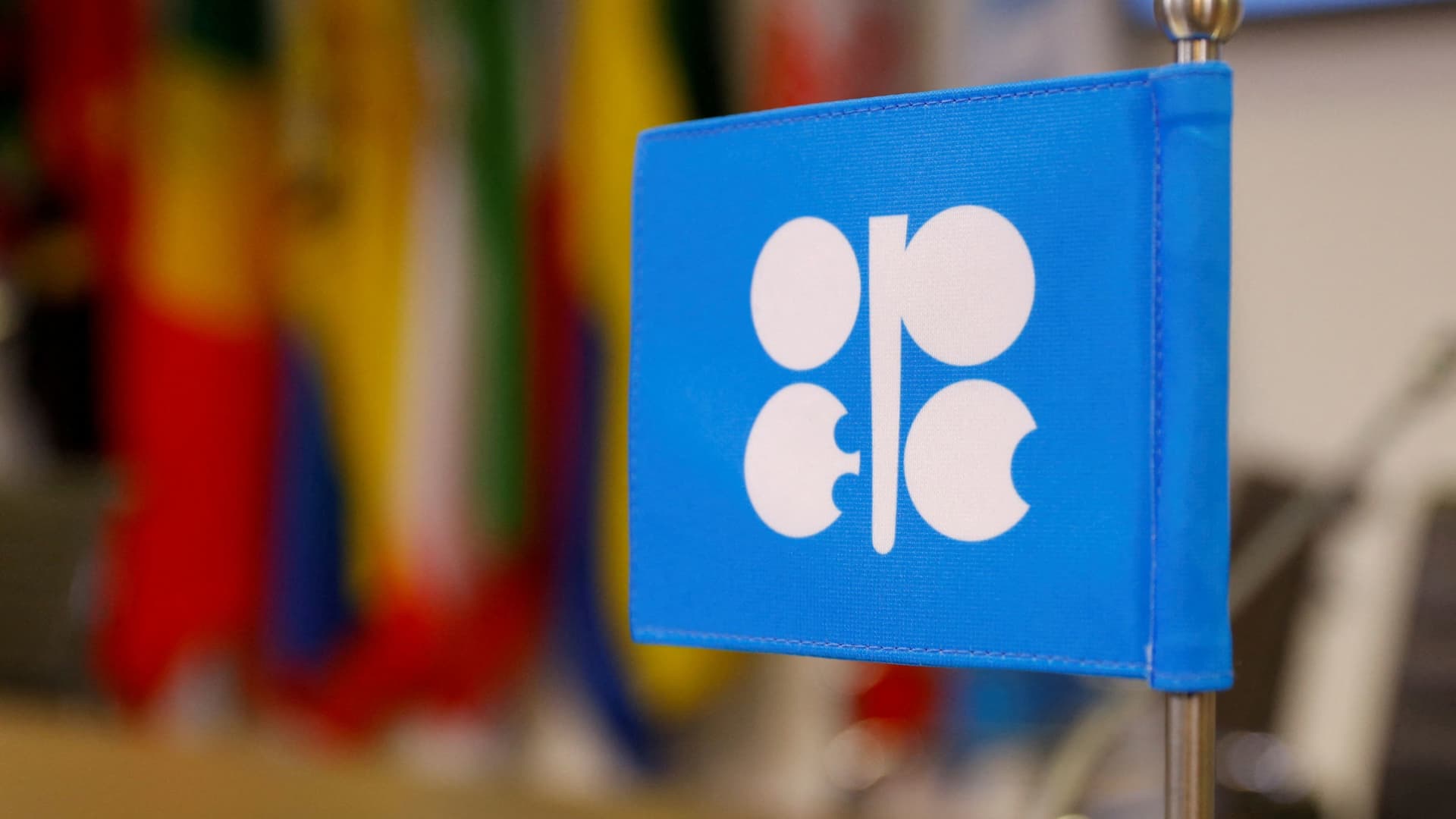
The United Arab Emirates announced this week its withdrawal from OPEC, a step that could greatly impact the global oil market. This decision comes at a time when the UAE is looking to increase its oil production without constraints, which may lead to lower prices in the future.
The UAE is considered one of the most influential members of OPEC after Saudi Arabia, possessing significant spare production capacity that can be utilized to influence prices during crises. Jorge León, head of geopolitical analysis at Rystad Energy, noted that the UAE's withdrawal weakens OPEC's ability to manage the market, making it more vulnerable in the future.
Details of the Event
The UAE's move comes after weeks of missile and drone attacks launched by Iran, which have affected UAE oil exports and threatened the foundation of its economy. Despite this, UAE Energy Minister Suheil Al Mazrouei confirmed that the decision to withdraw was not related to the conflict but was a calculated move to reduce disruptions among producers in the group.
Although the UAE's withdrawal may not impact the market next year, experts warn that it could lead to lower prices in the future. John Kilduff, founder of Again Capital, pointed out that this decision could weaken cohesion among producers, making it difficult to maintain prices during periods of oversupply.
Background & Context
Historically, OPEC has played a crucial role in managing oil prices by setting production quotas among member countries. However, recent years have seen tensions among members, with countries like Iraq and Russia exceeding their production quotas, increasing pressure on other countries like the UAE.
The UAE aims to achieve its goal of increasing its production capacity to 5 million barrels per day by 2027, which requires greater freedom in making production decisions. The UAE has expressed dissatisfaction with the restrictions imposed by Saudi Arabia, which has led efforts to cut production to support prices.
Impact & Consequences
The UAE's withdrawal could lead to increased volatility in oil prices in the future, as OPEC will lose one of its key pillars in managing the market. While Saudi Arabia still possesses significant capacity to regulate the market, the absence of the UAE may weaken its position.
Experts believe that the market may miss Saudi Arabia's ability to set a price floor if demand for oil weakens and there is a significant oversupply. David Goldwyn, who served as the special envoy for the U.S. State Department, warned that there are significant risks of increased oil price volatility as a result of this decision.
Regional Significance
The UAE's withdrawal from OPEC represents a major shift in the dynamics of the oil market in the region, potentially leading to increased tensions among OPEC member states. This decision may also affect the stability of oil prices, which is a concern for many Arab countries that rely on oil revenues for their economies.
In conclusion, the UAE's withdrawal from OPEC is a strategic move aimed at enhancing its independence in production decision-making. However, this decision carries significant risks for the stability of the oil market, necessitating close monitoring by both producing and consuming countries.