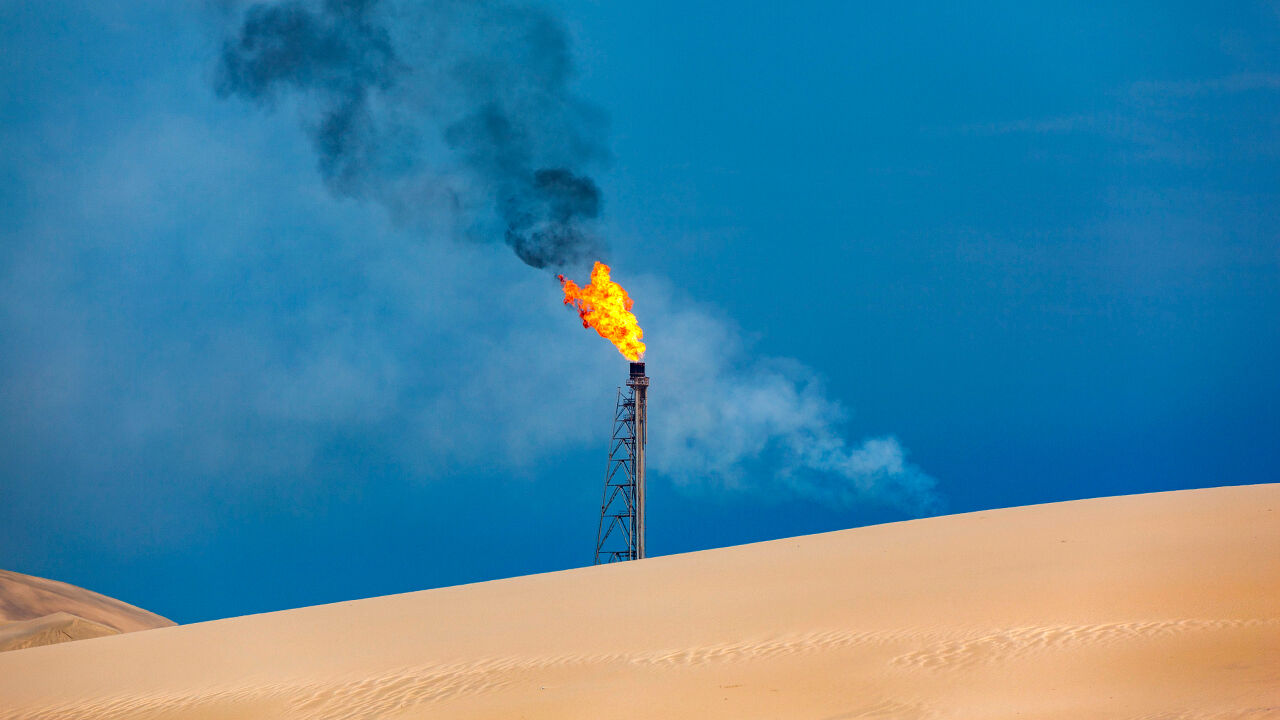
On Tuesday, the United Arab Emirates announced its withdrawal from the Organization of the Petroleum Exporting Countries (OPEC), signaling a decline in the organization's ability to control global oil supplies and prices. This decision comes at a critical time marked by significant market fluctuations, as the UAE seeks to enhance its independence in managing its oil resources.
The UAE's withdrawal from OPEC is an unprecedented move, as the country was one of the founding members of the organization. This decision has raised questions about the future of OPEC and its role in the global market, especially amid ongoing changes in demand and supply dynamics.
Details of the Event
The UAE's decision comes at a time when OPEC member countries are facing increasing pressure to cut production to support prices. However, the UAE, which possesses vast oil reserves, aims to boost its production to meet the rising demand from global markets. This decision reflects a strategic shift in the UAE's oil policy, as it seeks to achieve greater autonomy.
This withdrawal serves as a strong message from the UAE to OPEC, reflecting its desire not to adhere to the production quotas set by the organization. This could lead to an increase in UAE's production, potentially impacting global oil prices.
Background & Context
The Organization of the Petroleum Exporting Countries (OPEC) was established in 1960 with the aim of coordinating the oil production policies of its member countries. Over the years, OPEC has played a significant role in stabilizing global oil prices. However, in recent years, it has faced considerable challenges, including the emergence of new competitors such as U.S. shale oil, leading to market volatility.
In recent years, some OPEC member countries, such as Russia, have begun taking steps to increase their production, which has affected the organization's ability to control prices. With the UAE's withdrawal, OPEC may face even greater challenges in maintaining market balance.
Impact & Consequences
The UAE's withdrawal from OPEC could lead to increased volatility in global oil prices. If the UAE decides to significantly ramp up its production, this could result in a price drop, negatively affecting other OPEC member countries that rely on high oil prices to finance their budgets.
Moreover, the UAE's withdrawal may encourage other countries to take similar steps, potentially leading to the disintegration of OPEC as an organization. This could fundamentally alter the dynamics of the global oil market and impact investments in the sector.
Regional Significance
The UAE's withdrawal from OPEC represents a significant event for the Arab region, as it may affect economic relations among member countries. This decision could increase tensions between the UAE and other OPEC member states, particularly those that depend on collective coordination to maintain oil prices.
On the other hand, the UAE may benefit from this decision by enhancing its position as a major oil supplier in the global market, which could boost its investments in future energy projects. Ultimately, the impact of this decision on the region will depend on how other OPEC countries respond.