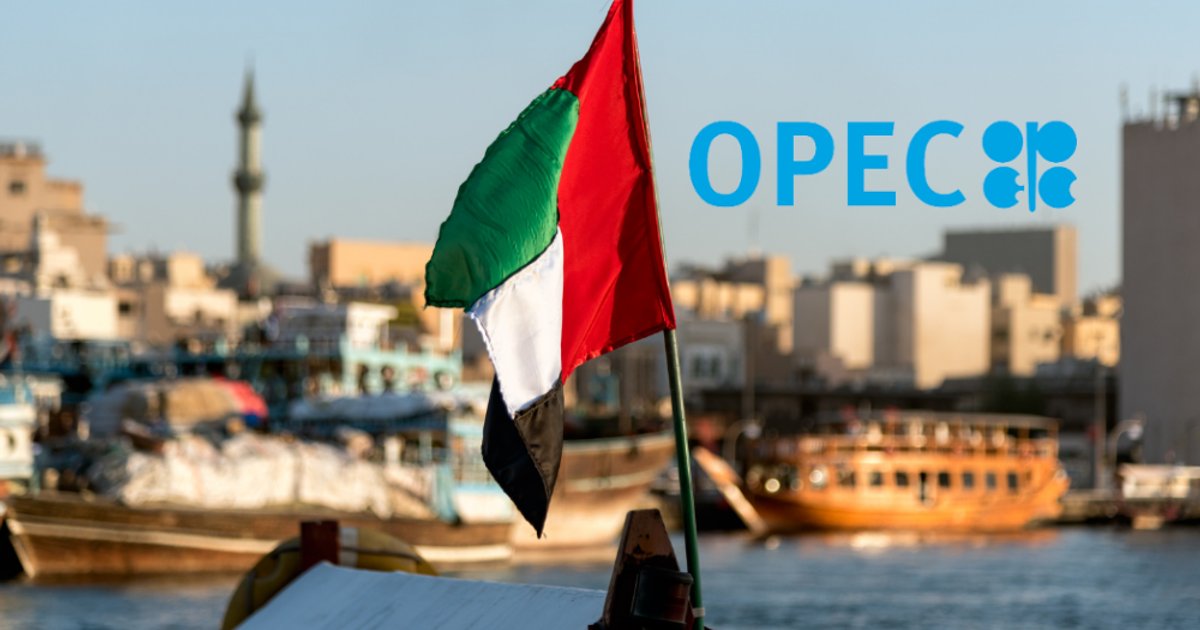
The UAE's Minister of Energy, Suhail Al-Mazrouei, stated that the decision to withdraw from OPEC and OPEC+ was made after careful consideration and without any prior consultation with member states. This decision comes at a sensitive time when the oil market is experiencing significant fluctuations, raising questions about the future of cooperation among oil-producing countries.
Al-Mazrouei emphasized that this decision reflects the strategic direction of the UAE in managing its oil resources in a manner that aligns with its national interests. He also noted that the UAE aims to achieve a balance between global production and demand, which sometimes necessitates bold decisions.
Details of the Event
The UAE's withdrawal from OPEC and OPEC+ occurs amid significant challenges facing the global oil market, where pressures on prices are increasing due to geopolitical and economic changes. This decision has elicited mixed reactions among member states, with some considering that this withdrawal could negatively impact market stability.
Al-Mazrouei clarified that the UAE will continue to produce oil according to its own strategy, indicating that the decision does not mean abandoning cooperation with other countries, but rather a step towards enhancing the UAE's independence in managing its resources.
Background & Context
OPEC was established in 1960 and includes some of the largest oil-producing countries in the world. The organization aims to regulate oil production and maintain price stability in the global market. However, in recent years, there has been a divergence of interests among member states, leading to new challenges.
The UAE has been one of the active countries in OPEC, contributing to market stability through its commitment to production quotas. However, changes in global oil policies, along with increased production from other countries such as the United States, have prompted the UAE to reassess its position within the organization.
Impact & Consequences
The UAE's withdrawal could lead to significant changes in the dynamics of the oil market. This decision is expected to affect global oil prices, as it may increase pressures on other OPEC member states to maintain market balance. It could also lead to increased competition among oil-producing countries.
Furthermore, this decision may open the door for the UAE to strengthen its oil partnerships with countries outside OPEC, potentially altering the global oil cooperation landscape. This shift could contribute to increased investments in the UAE's energy sector, enhancing its position as a major energy hub in the region.
Regional Significance
The UAE's decision may have wide-ranging effects on other Arab countries, as it could lead to a reevaluation of their oil strategies. Oil-producing nations in the region may find themselves compelled to adapt to the new market changes, which could impact their economies overall.
At the same time, this decision may open up new opportunities for cooperation among Arab countries in renewable energy sectors, as many nations seek to reduce their reliance on oil and enhance the sustainability of their economies.
In conclusion, the UAE's withdrawal from OPEC marks a significant shift in its oil policy, which could influence global oil market stability. It highlights the challenges faced by OPEC member states and the need for strategic adaptations in response to evolving market conditions.