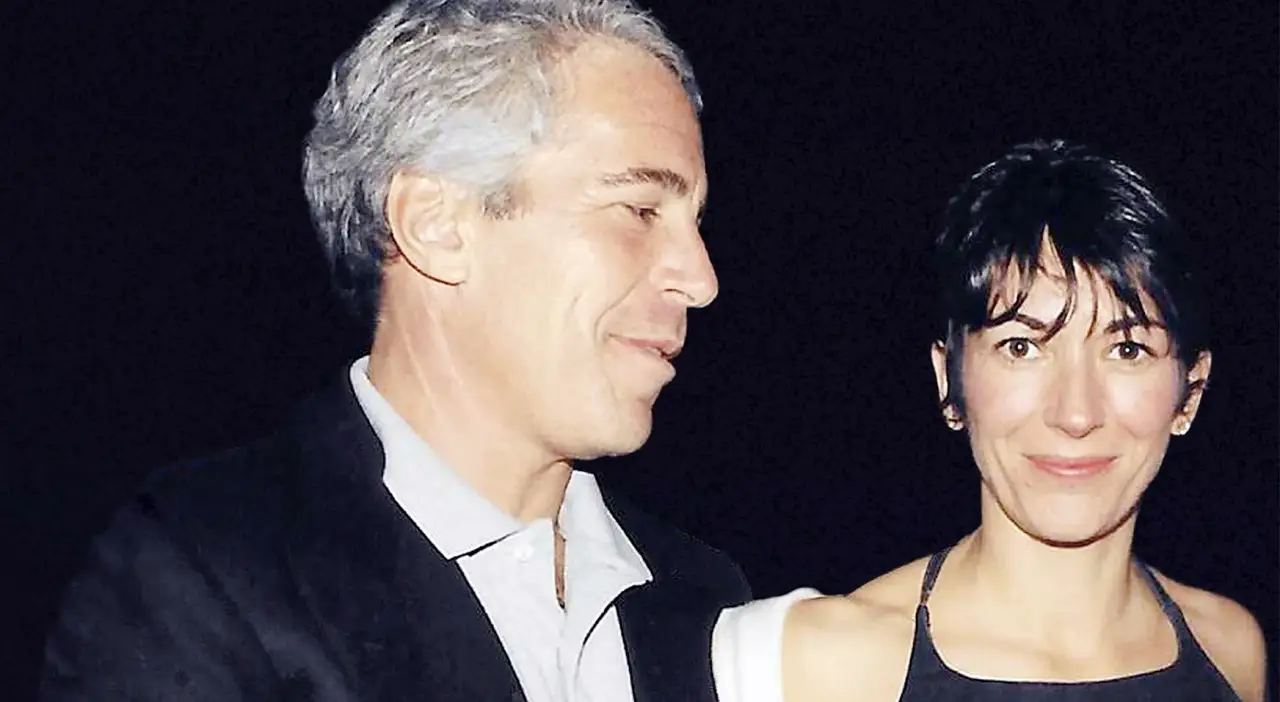
Reports have surfaced indicating that Swiss bank UBS assisted Ghislaine Maxwell, who is accused of colluding with the late billionaire Jeffrey Epstein, in purchasing her luxury property known as 'Tucked Away'. This transaction, completed in 2020, occurred at a time when Maxwell was facing serious allegations related to human trafficking and the exploitation of minors.
The property, located in a remote area, became a refuge for Maxwell after she came under scrutiny due to the Epstein scandals. This deal has raised numerous questions about how financial institutions handle individuals involved in criminal cases and whether these institutions bear an ethical responsibility to society.
Details of the Transaction
Documents reveal that UBS provided nearly $7.95 million as a loan to Maxwell to finance the property purchase. The deal was finalized while Maxwell was under intense investigation, raising questions about how she secured funding under such circumstances. The property, described as a hideaway, features luxurious amenities such as a swimming pool and recreational facilities.
This information comes at a sensitive time for the bank, which is facing increasing scrutiny regarding its lending practices. Concerns have been raised that the bank may have inadvertently financed illegal activities by providing financial support to Maxwell.
Background & Context
Ghislaine Maxwell, who was a partner of Jeffrey Epstein, was arrested in 2020 on charges related to human trafficking. Epstein, who was found dead in his jail cell in 2019, was accused of running a network of underage girls. This case has generated significant media attention and raised numerous questions about how to protect victims and hold perpetrators accountable.
Historically, there have been numerous instances where financial institutions have been used to support individuals involved in criminal cases. This phenomenon raises widespread concerns about ethics in the financial and business world and prompts questions about how these institutions are regulated.
Impact & Consequences
This case exemplifies how individuals involved in crimes can impact financial institutions. Such events may increase pressure on banks to adopt stricter policies regarding lending to individuals with criminal histories. It may also enhance calls for greater transparency in financial operations.
Furthermore, this case could significantly affect UBS's reputation, potentially leading to a loss of trust from clients and investors. In a world increasingly focused on social responsibility, financial institutions may find themselves under greater pressure to clarify their practices.
Regional Significance
Although this case pertains to individuals in the United States, it has potential implications for the Arab region. Concerns have grown about how financial institutions handle individuals involved in criminal cases in Arab countries, where calls for transparency and accountability are increasing.
This case may also inspire further discussions on how to protect victims in the Arab world and enhance laws related to human trafficking. It is crucial for Arab nations to adopt stricter policies to combat these phenomena and protect individual rights.