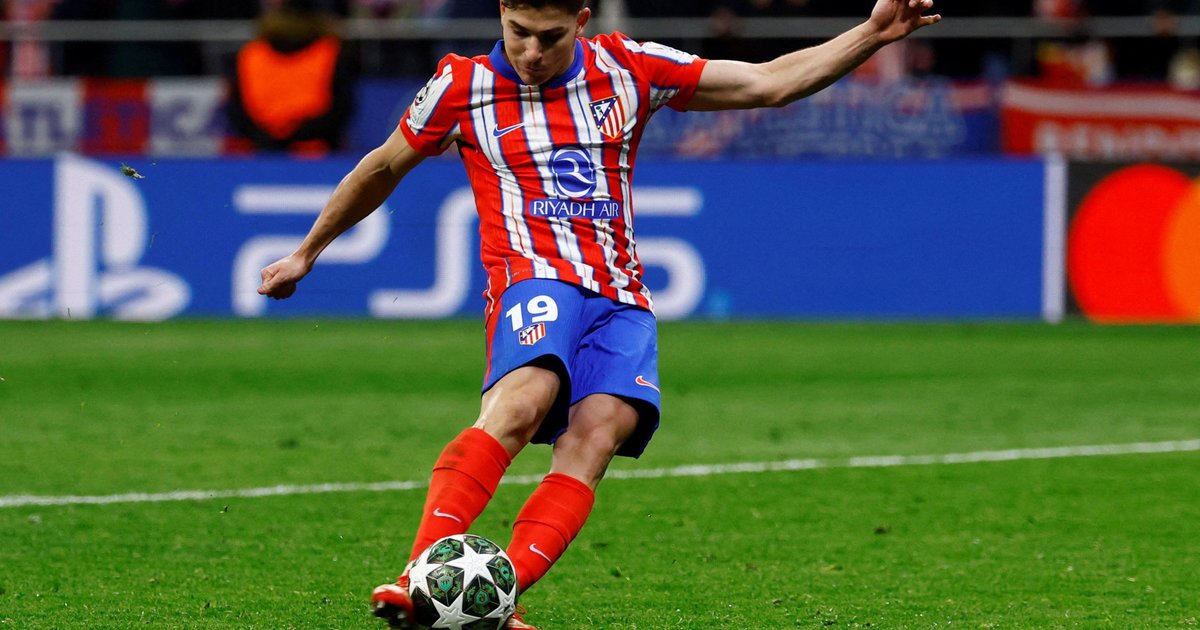
The UEFA has issued an official statement clarifying its position on the penalty awarded to player Alvarez during his team's match against Real Madrid. The statement comes after extensive debate regarding the validity of the refereeing decision, which has sparked mixed reactions among fans and sports critics.
The controversy surrounding the penalty began after replays of the match showed that the contact Alvarez experienced was not sufficient to warrant a penalty kick, raising questions about the standards of officiating in major matches. The statement pointed out that Article 14.1 of the Laws of the Game stipulates that there must be clear and significant contact for a penalty to be awarded, which was not present in this case.
Details of the Incident
The match between Manchester City and Real Madrid was part of the UEFA Champions League, ending in a victory for Manchester City. During the second half, the referee awarded a penalty to Alvarez after he fell in the penalty area, sparking outrage among Real Madrid players and their fans. After the match, many sports analysts expressed their astonishment at the decision, indicating that the referee could have made a different call.
In the statement, UEFA confirmed that all refereeing decisions are subject to thorough review, and that there is a specialized committee that analyzes all controversial cases. The statement also noted that officiating in football relies on the referee's judgment at the moment, which makes some decisions open to debate.
Background & Context
Historically, UEFA Champions League matches have seen numerous controversial refereeing decisions, with penalties always being a focal point of discussion among teams and fans. In recent years, pressure on referees has increased due to the use of Video Assistant Referee (VAR), which aims to reduce officiating errors but sometimes leads to further controversy.
Previous instances of controversial officiating decisions include penalties awarded or not awarded in crucial matches, affecting team outcomes and leading to widespread criticism. These incidents highlight the need for improved officiating standards and ongoing training for referees.
Impact & Consequences
The controversy surrounding the penalty may affect UEFA's image as a governing body, as the organization seeks to maintain the integrity of the game. It could also impact team performance in upcoming matches, as players may feel pressured due to controversial decisions.
Moreover, this incident may lead to calls for a review of the laws or improvements in officiating mechanisms, potentially changing how matches are managed in the future. Fans expect a high level of transparency and fairness in officiating decisions, which requires UEFA to take tangible steps to ensure this.
Regional Significance
In the Arab region, football enjoys immense popularity, and major sporting events like the UEFA Champions League attract significant attention from fans. The controversy surrounding officiating decisions can influence how fans follow matches, as expectations for fairness in officiating continue to rise.
Additionally, these incidents may affect Arab clubs' investments in developing their teams, as clubs aim to compete on an international level. Therefore, improving officiating standards could help build trust between fans and clubs in the region.
In conclusion, football remains a game filled with challenges, and refereeing decisions will continue to be a subject of ongoing debate. It is crucial for UEFA to keep enhancing officiating mechanisms to ensure the integrity of the game and the satisfaction of fans.