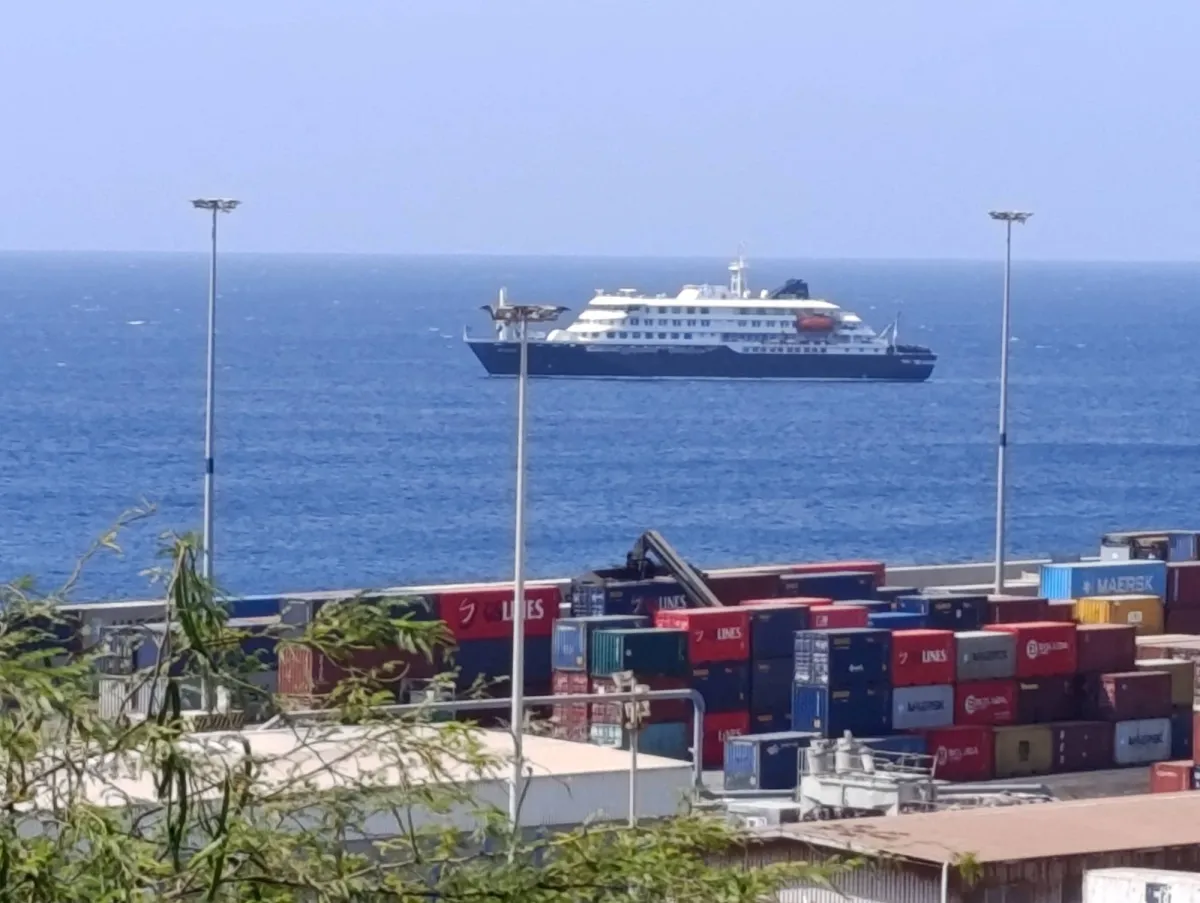
British health authorities announced on Saturday plans to transfer passengers and crew of a cruise ship that experienced an outbreak of the Hanta virus to a hospital in Northwestern England, where they will undergo an initial medical isolation period upon their return to the country.
The ship, known as the "Hondius," is expected to dock off the coast of Tenerife, Spain, early tomorrow morning. Following this, 22 British nationals on board will be flown back to their country.
Details of the Incident
Earlier, Spain announced that the United Kingdom, along with other countries such as Germany, France, Belgium, and Ireland, confirmed sending aircraft to evacuate their nationals after the virus outbreak infected eight individuals. Three of these individuals have died, raising international concerns about the health situation.
A joint statement from health authorities in Northwestern England, police, and a local council confirmed that passengers will undergo assessments and medical tests during an initial stay of up to 72 hours at Aro Park Hospital near Liverpool. The statement emphasized that "the risk to the population remains extremely low."
Background & Context
The Hanta virus is a rare virus typically transmitted between rodents, and its outbreak on the ship has caused significant concern among passengers and residents of the Canary Islands. Tests confirmed the presence of the "Andes virus," the only type of Hanta virus capable of human-to-human transmission, which has heightened health fears.
Dr. Tedros Adhanom Ghebreyesus, the Director-General of the World Health Organization, reassured residents of Tenerife that the current public health risk from the Hanta virus remains low, noting that there is a precise plan for evacuating passengers from the ship.
Impact & Consequences
The recent outbreak of the Hanta virus highlights the importance of health preparedness and international coordination in combating epidemics. This incident may also impact the tourism industry in the region, as tourists may hesitate to visit the Canary Islands due to health concerns.
Cooperation among countries in public health has become more crucial than ever, especially given the challenges posed by global pandemics. This event reflects the need for a rapid and effective response from health authorities.
Regional Significance
Although the Hanta virus has not yet spread to Arab countries, this incident underscores the importance of strengthening public health systems and preparing for any potential disease outbreaks. Furthermore, cooperation among countries in public health can have a positive impact on regional health security.
In conclusion, Arab countries should learn from the lessons of this outbreak and enhance their health capabilities to face any future challenges.