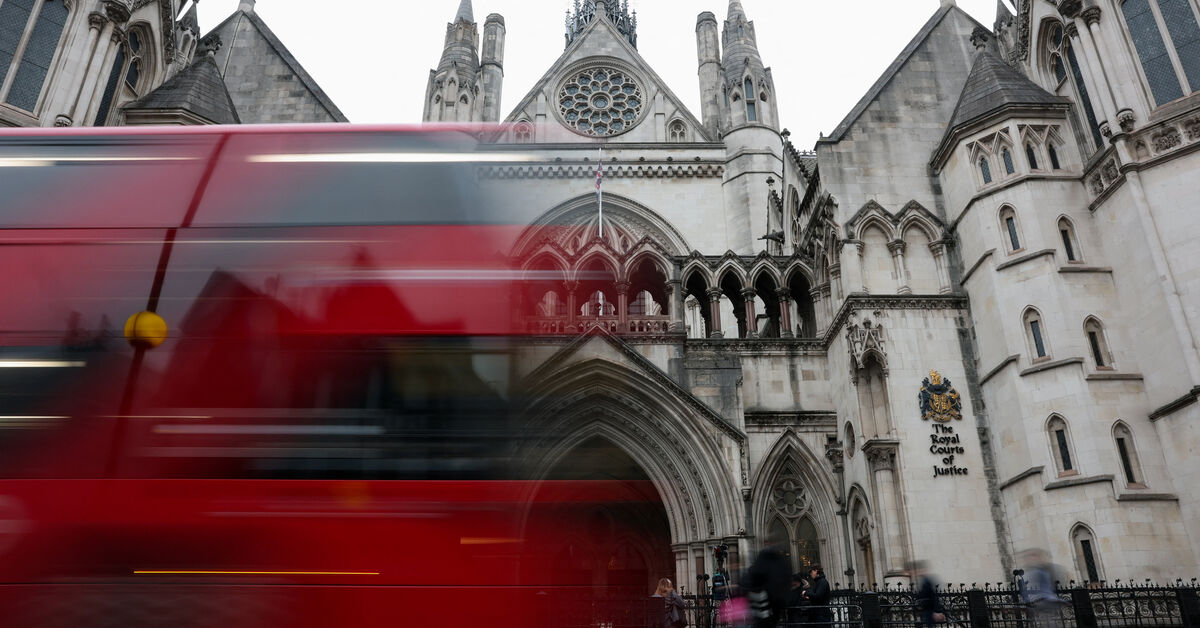
On Tuesday, the British government aimed to reaffirm the ban on the Palestine Action group, which has been designated as a terrorist organization, following a court ruling that stated this ban conflicts with free speech rights. This ruling emerges at a sensitive time as anti-Israeli occupation activities have surged in the United Kingdom.
The Palestine Action group was established in 2020 and seeks to counter Israeli policies by targeting defense companies linked to Israel. The group has particularly focused on Elbit Systems, regarded as the largest defense contractor in Israel, and has conducted several protest actions against its offices and facilities in Britain.
Details of the Case
Last year, the British government included Palestine Action on its list of terrorist organizations, allowing it to take legal action against any activities related to this group. However, the court's ruling confirmed that this ban could infringe on individuals' rights to express their opinions and beliefs, sparking widespread debate about the limits of free speech in the UK.
This case exemplifies the ongoing conflict between individuals' rights to express their political views and government decisions aimed at combating terrorism. It has also ignited discussions on how governments handle social movements that express support for the Palestinian cause.
Background & Context
Historically, the UK has witnessed numerous campaigns against the Israeli occupation, with increasing calls to end the occupation and support Palestinian rights. In recent years, protest activities have intensified, prompting the government to adopt stricter measures against movements it perceives as threats to national security.
Palestine Action is part of this broader context, seeking to highlight what it considers human rights violations in Palestine. However, its classification as a terrorist organization may limit its operational capacity and impact similar movements in the future.
Impact & Consequences
This case raises questions about how terrorism-related laws affect free speech and political activism in the UK. If the ban is upheld, it could lead to a reduction in protest activities related to the Palestinian issue, affecting activists' ability to voice their opinions.
Conversely, a ruling in favor of Palestine Action could bolster its position and increase support for it, potentially provoking further controversy regarding the British government's policies towards the Palestinian issue.
Regional Significance
This case is significant for the Arab world as it reflects the ongoing tensions between Western governments and movements supporting the Palestinian cause. The outcomes of this case may influence how Arab countries engage with anti-Israeli occupation movements and could encourage greater solidarity with Palestinians in the region.
In conclusion, this case underscores the importance of free speech in complex political contexts and highlights the challenges social movements face in their pursuit of justice.