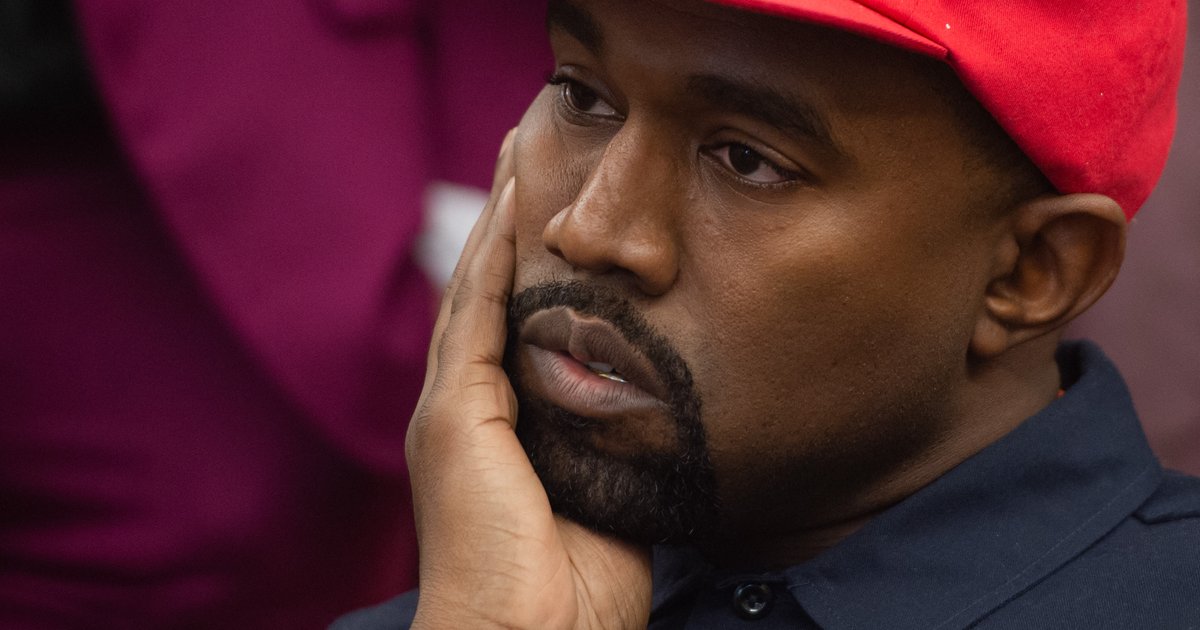
The United Kingdom has announced its decision to ban the American rapper known as 'Ye', previously referred to as Kanye West, from entering its territory due to his anti-Semitic remarks. This decision has sparked widespread controversy on social media, with some viewing it as an unjustified interference in freedom of expression.
Ye was scheduled to headline the Wireless Festival this summer and had submitted a visa application on Monday; however, the UK Home Office rejected the request, stating that his presence in the country would not be in the public interest. This decision came after increasing pressure from politicians and Jewish organizations demanding the cancellation of his invitation.
Details of the Ban
In a statement on the platform 'X', British Prime Minister Keir Starmer affirmed that 'Ye' should not have been invited to headline the Wireless Festival, emphasizing the UK government's support for the Jewish community and its rejection of anti-Semitism. However, Starmer's silence regarding former US President Donald Trump's threats against Iran has raised questions about the government's priorities.
Many social media users criticized Starmer for not commenting on Trump's threat that a 'whole civilization would be wiped out' if Iran did not agree to open the Strait of Hormuz, raising concerns about the inconsistency between the ban on Ye and the government's silence regarding American threats.
Background & Context
Historically, Ye has been a focal point of controversy due to his provocative statements, including anti-Semitic comments. In 2022, he tweeted that he would go 'Death Con 3 on the Jews', which led to widespread backlash. He was also banned from entering Australia last July after releasing a song titled 'Hail Hitler'.
Despite issuing a full apology in an advertisement in the Wall Street Journal, where he expressed regret and pride in the opportunity to meet the Jewish community in Britain, reactions to the UK government's decisions remain mixed.
Impact & Consequences
The ban on Ye is seen as a precedent that may influence how governments handle controversial issues in the future. Some critics argue that this decision could pave the way for greater governmental interventions in arts and entertainment, potentially leading to restrictions on freedom of expression. Simultaneously, this ban reflects ongoing tensions between freedom of expression and social and political considerations, especially amid the tense geopolitical situation in the Middle East.
The implications of this decision are directly related to the conditions in the Middle East, where tensions between the United States and Iran are escalating. The British government's silence regarding Trump's threats may be interpreted as complicity or neglect of humanitarian crises in the region, increasing resentment among Arab populations.
Regional Significance
This event highlights the challenges governments face in balancing freedom of expression with social and political values. The decision to ban Ye raises critical discussions about the limits of free speech and the responsibilities of public figures in their statements.
In conclusion, the controversy surrounding Ye's ban not only reflects the complexities of contemporary political discourse but also underscores the delicate balance that must be maintained between protecting communities and upholding individual rights.