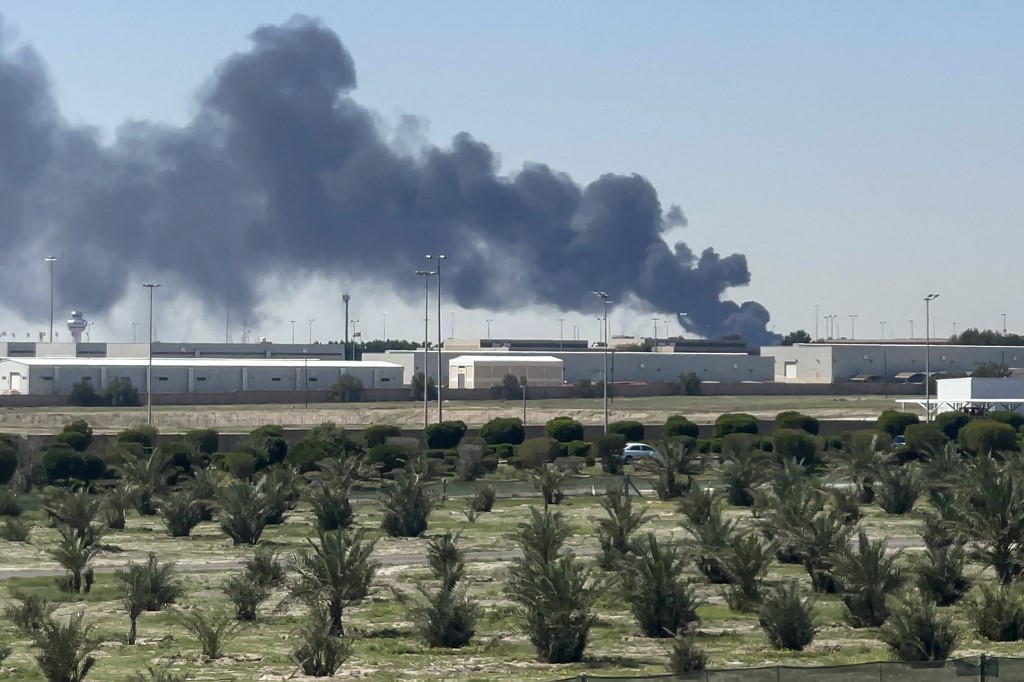
The British Ministry of Defense has announced the deployment of the advanced Rapid Sentry air defense system in Kuwait, aiming to enhance security and protect British and Kuwaiti interests. This decision comes after vital facilities in Kuwait, such as the power and water desalination plants, were targeted in drone attacks, highlighting the increasing threats faced by the region.
The recent attacks, which occurred on Friday morning, targeted the water desalination plant, followed by strikes on the Ahmadi port refinery, where Kuwaiti media reported fires breaking out in several operational units. These events raise concerns about the security stability in Kuwait, which is located approximately 80 kilometers from Iran, underscoring the importance of bolstering air defenses in the area.
Details of the Deployment
The Rapid Sentry system is a short-range air defense system designed to counter threats posed by drones. It has been deployed by the Royal Air Force in Kuwait as part of the United Kingdom's efforts to support its allies in the Gulf region. This system is considered one of the latest in air defense technology, boasting a high capability to counter unconventional aerial attacks.
This move comes at a sensitive time, as drone attacks in the region have increased, prompting many countries to reassess their defensive strategies. The British Ministry of Defense has confirmed that the deployment of this system reflects the UK's commitment to protecting its interests and those of its allies in the Gulf.
Background & Context
Historically, the Gulf region has witnessed rising tensions, particularly between Iran and the Arab Gulf states. These tensions have led to an escalation in drone attacks, which have become a common tool in modern conflicts. Kuwait, regarded as one of the stable countries in the region, faces new challenges that require a swift and effective response.
In recent years, Kuwait has seen significant investments in developing its infrastructure, including energy and water projects. However, ongoing security threats could negatively impact these investments, necessitating the enhancement of air defenses to protect these vital facilities.
Impact & Consequences
The deployment of the Rapid Sentry system could have a significant impact on regional security. In addition to strengthening Kuwait's air defenses, this decision may encourage other countries in the region to take similar steps to secure their airspace. It could also lead to increased military cooperation between Western nations and Gulf states, enhancing deterrence against any future threats.
However, it is essential to consider that these measures may also escalate tensions with Iran, which might view these steps as a threat to its security. Therefore, balancing the enhancement of air defenses while maintaining regional stability will be crucial.
Regional Significance
This step is part of broader efforts to enhance security in the Gulf region, one of the most sensitive areas in the world. Strengthening air defenses in Kuwait may have positive effects on neighboring countries, potentially leading to improved regional security coordination.
At the same time, Arab countries must be cautious of escalating tensions, as any escalation in the region could impact economic and political stability. Hence, dialogue and cooperation between Arab nations and Western countries will be essential to ensure security and stability in the area.