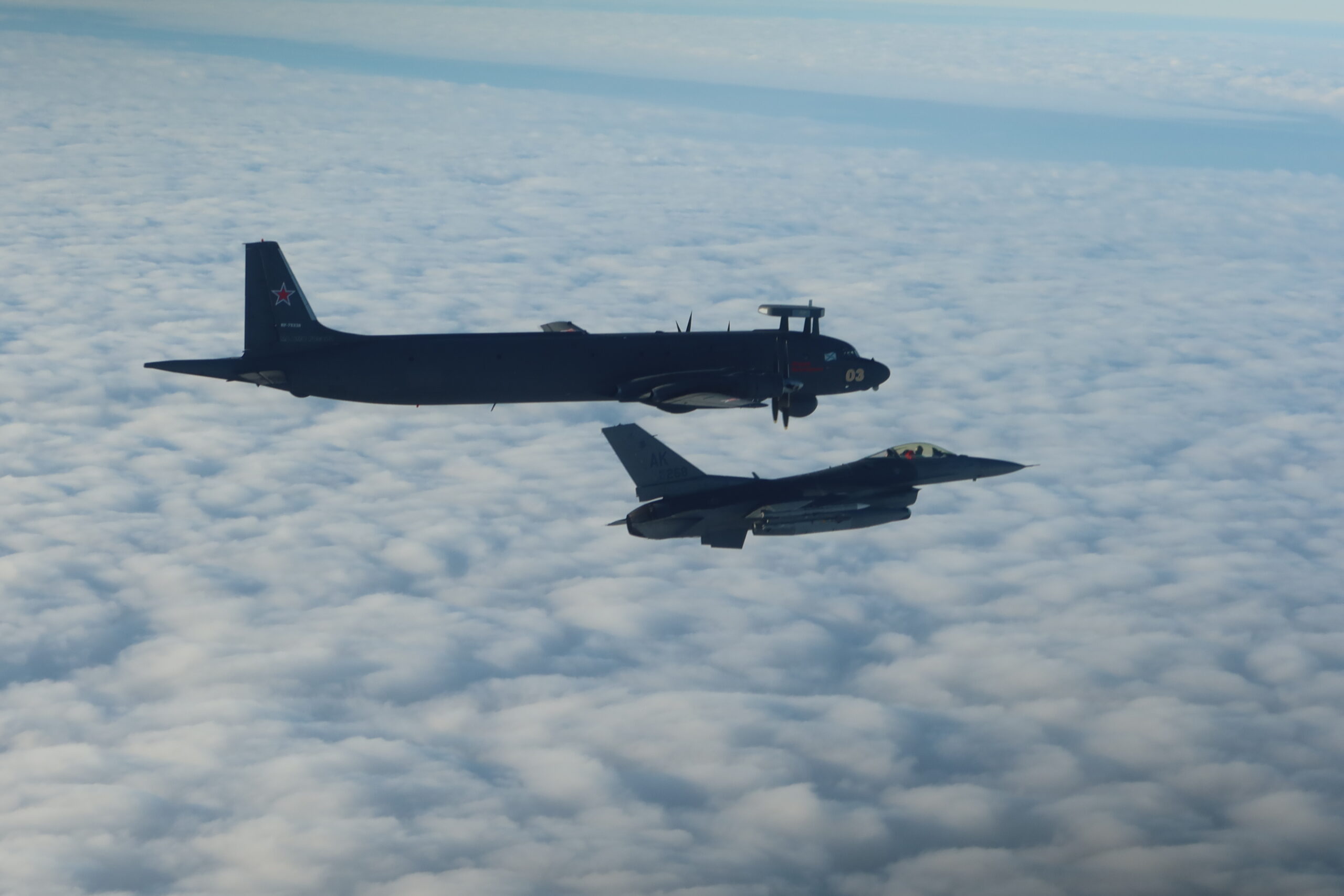
In a significant development, rumors have spread across social media suggesting that Ukraine has sent hundreds of warplanes to attack Iran, with claims that the assault targeted the capital, Tehran. These allegations sparked widespread debate, but investigations have confirmed that they are merely unfounded rumors.
Some posts on Facebook circulated images purportedly showing alleged airstrikes, claiming that 120 Ukrainian warplanes bombed Tehran as a form of retaliation against Iran. However, these claims were not supported by any credible evidence or information from official sources.
Details of the Incident
After scrutinizing the information, it became clear that there are no reliable reports or data from reputable media outlets indicating that Ukraine has launched a military attack on Iran. Additionally, checks using artificial intelligence tools revealed that the images used in the posts are likely products of AI technology, increasing the likelihood that they are fabricated.
Furthermore, the Ukrainian Foreign Minister reported that his country is urging Iran to de-escalate tensions in the Gulf region, denying any connection between Ukraine and the alleged attacks. This statement reflects Ukraine's current diplomatic approach, which focuses on reducing tensions rather than escalating them.
Background & Context
These rumors arise at a sensitive time for international relations, as the region is experiencing increasing tensions among several countries. The relationship between Ukraine and Iran has previously been affected by Iran's support for Russia in the ongoing conflict, but there has been no evidence to suggest that Ukraine is considering military action against Iran.
In recent years, the region has witnessed numerous events that have led to heightened tensions, such as the conflict in Syria and the strains between Iran and the United States. This backdrop makes it easier for rumors to spread, especially under the current circumstances.
Impact & Consequences
This incident underscores the importance of verifying information before disseminating it, particularly in an era where misinformation is on the rise. Rumors can lead to escalated tensions between countries and may affect diplomatic relations in the region. Additionally, spreading false information can contribute to fear and anxiety among populations.
It is crucial for media outlets and the public to be aware of their responsibility to verify information, especially on sensitive issues related to international security. Rumors like these can provoke unexpected reactions from the countries involved.
Regional Significance
These rumors are particularly significant for Arab countries, as any escalation in tensions between Iran and Ukraine could impact regional stability. Relations between Arab states and Iran may already be strained, and any false information could exacerbate these tensions.
Therefore, it is essential for Arab nations to stay informed about events and developments in the region and to work on enhancing cooperation and understanding to avoid unnecessary escalation.
In conclusion, this incident highlights the importance of verifying information in the age of rapid information dissemination. Everyone should be cautious of rumors and seek information from reliable sources.