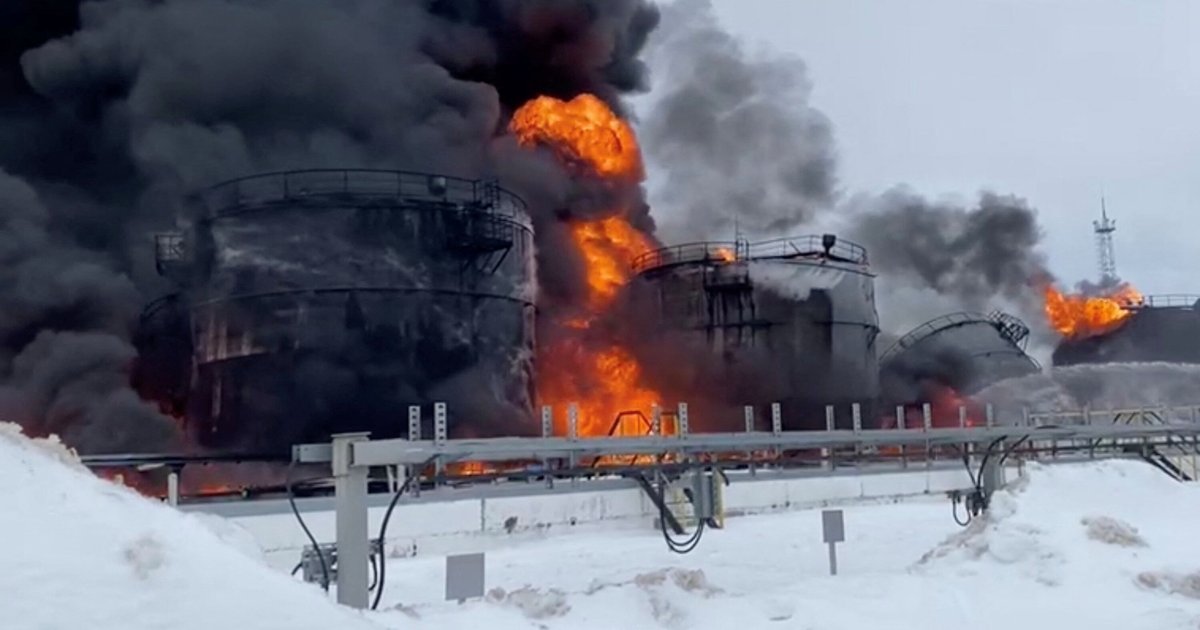
Ukraine has targeted three key ports used for exporting Russian oil with long-range drones. This move aims to reduce Moscow's financial revenues from soaring oil prices in global markets. This attack is part of Ukraine's ongoing efforts to pressure the Russian economy and weaken its financial capabilities amid the ongoing armed conflict.
The drone strikes carried out by Ukrainian forces specifically targeted the critical infrastructure that the Kremlin relies on for oil exports, indicating a strategic shift in the conflict between the two countries. Oil is one of the main sources of revenue for Russia, with rising prices bolstering Moscow's ability to finance its military operations.
Details of the Attacks
The Ukrainian attacks involved targeting ports located on the Black Sea, which are major launch points for exporting Russian oil to global markets. These attacks have resulted in significant damage to facilities, which could impact Russia's ability to export oil in the near future. This step is part of Ukraine's broader strategy to increase pressure on Russia, especially given the deteriorating economic conditions the country faces due to Western sanctions.
These attacks come at a sensitive time, as Russia seeks to strengthen its position in the global market by increasing its oil exports, while Ukraine is trying to reduce these revenues. Reports have shown that Russia has achieved record revenues from oil in recent months, prompting Ukraine to take more decisive actions to halt this financial flow.
Background & Context
Historically, oil has been one of the main factors influencing geopolitical conflicts around the world. Since the onset of the Ukrainian conflict in 2014, energy has become a strategic weapon in the hands of both Russia and Ukraine. The Western sanctions imposed on Russia following its invasion of Ukraine in 2022 have increased the importance of oil as a means to finance military operations.
The Black Sea ports are a vital part of the Russian economy, with a significant percentage of oil and natural gas being exported through these ports. Therefore, targeting these ports reflects Ukraine's deep understanding of the importance of natural resources in the ongoing conflict.
Impact & Consequences
The Ukrainian attacks on Russian ports could increase pressure on the Russian economy, potentially affecting the Kremlin's ability to finance military operations. Additionally, these attacks may escalate tensions between Russia and Western countries, as it is likely that Western nations will intervene more significantly to support Ukraine.
Moreover, these attacks could lead to an increase in global oil prices, as any disruptions in Russian supplies may affect the market overall. This could negatively impact the global economy, which is still recovering from the effects of the COVID-19 pandemic.
Regional Significance
The Arab region is one of the largest oil producers in the world, and thus any changes in the global oil market could directly affect the economies of Arab countries. If pressures on Russian oil exports continue, Arab nations may see an increase in demand for their oil, potentially leading to higher prices.
Furthermore, the situation in Ukraine may contribute to reshaping alliances in the region, as Arab countries might seek to strengthen their ties with Western nations to face potential economic challenges. In this context, Arab countries must remain vigilant to developments in the oil market and be prepared to adapt to any changes that may arise.
In conclusion, the Ukrainian attacks on Russian ports represent a strategic shift in the conflict, as Ukraine seeks to reduce the financial revenues that Russia earns from oil. Amid changing global economic conditions, it remains crucial to monitor the developments of this conflict and its impacts on the Arab region.