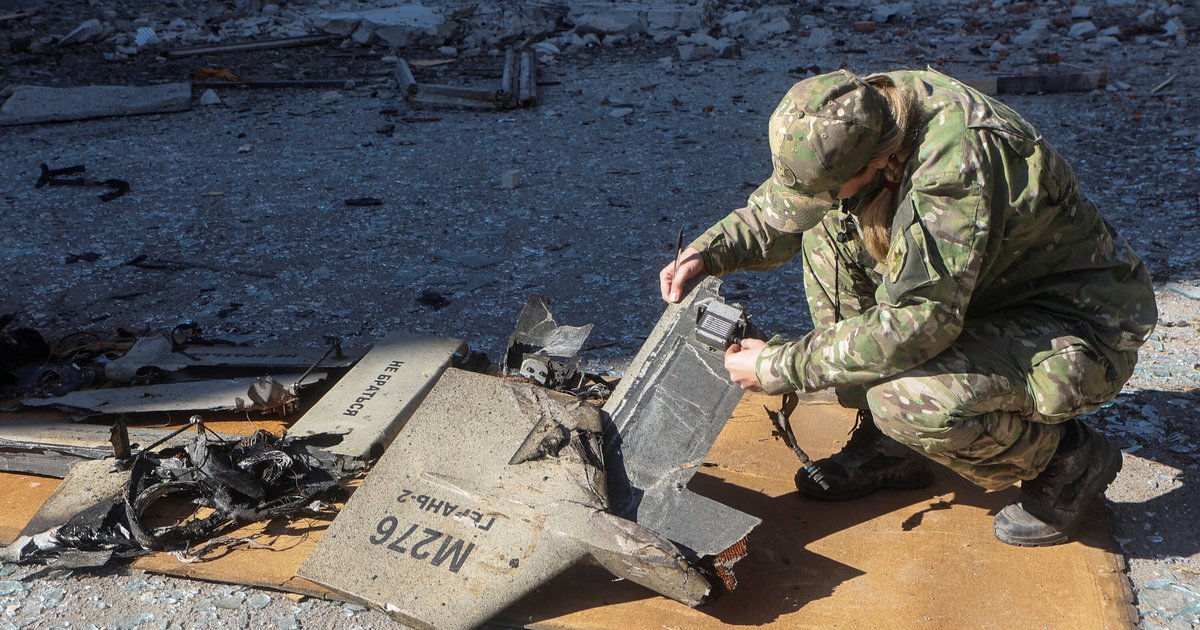
In a new escalation of the ongoing conflict between Russia and Ukraine, Ukrainian forces launched a drone attack on a major oil facility in Russia, resulting in significant damage. The attack occurred in the early hours of Monday, targeting the Caspian Pipeline facility in southern Russia, according to the Russian Ministry of Defense.
The Russian Ministry of Defense reported that the attack resulted in the destruction of one connection point at the facility, along with the ignition of four oil tanks. In contrast, Ukraine denied targeting the Caspian Pipeline, stating that it aimed at another site in the port of Novorossiysk, which is located near the targeted facility.
Details of the Attack
The Ukrainian attack comes at a sensitive time, as the Caspian Pipeline is considered one of the most important oil transport facilities in the world, managing approximately 1% of global oil supplies and transporting around 80% of Kazakhstan's oil exports. The Russian Ministry of Defense confirmed that the attack aims to destabilize the global oil market and cut off oil supplies to European consumers.
While Russia has not provided any visual evidence of the attacks, Ukraine asserted that it achieved direct hits on the target, noting that the large fire that broke out at the site was recorded via the Telegram app. Ukraine also mentioned that it targeted the Shiskharis oil facility, a major oil hub in Novorossiysk.
Background & Context
The conflicts between Russia and Ukraine have been ongoing for over four years, with Ukraine having targeted the Caspian Pipeline multiple times during this period. The recent attack is not the first of its kind, as the facility experienced a drone attack last November that led to a temporary halt in operations. The list of stakeholders in the Caspian Pipeline includes major American oil companies such as Chevron and ExxonMobil.
Amid these tensions, the United States issued guidance to Ukraine to refrain from targeting American interests in the port following previous attacks, which has caused discontent in Kazakhstan, which relies on the Caspian Pipeline for transporting most of its oil exports.
Impact & Consequences
The Ukrainian attacks on Russian oil facilities reflect Ukraine's strategy of targeting the funding sources that Moscow uses to finance the war. These attacks are seen as a justified response to the Russian missile and drone strikes on Ukrainian territory. Furthermore, these attacks could lead to increased tensions among the involved countries, including the United States and Kazakhstan.
On the other hand, Ukrainian President Volodymyr Zelensky confirmed in a speech that Ukraine has proposed a ceasefire regarding attacks on energy facilities, indicating that Ukraine is prepared to reciprocate if Russia stops targeting the Ukrainian energy sector.
Regional Significance
The events highlight the rising geopolitical tensions and their impact on global energy markets. The situation not only affects oil prices but also raises concerns about the stability of energy supplies in Europe and beyond. As the conflict continues, the implications for international relations and energy security become increasingly critical.
In conclusion, the ongoing hostilities between Russia and Ukraine are reshaping the landscape of energy politics, with potential ramifications that extend far beyond their borders, affecting global markets and international alliances.