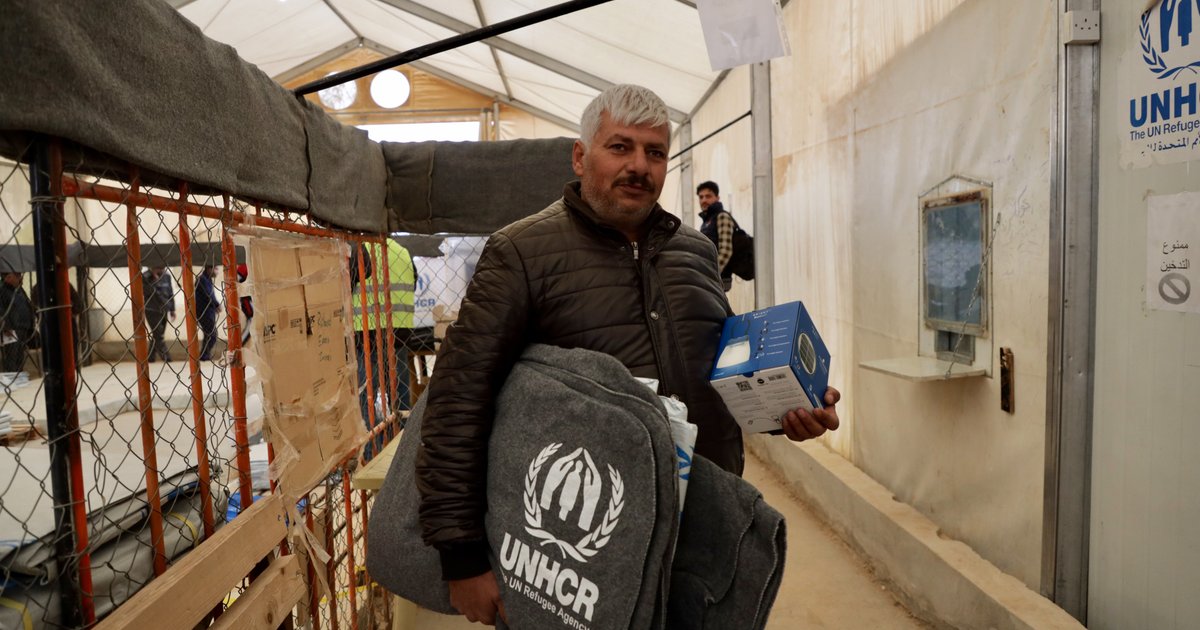
The UN High Commissioner for Refugees has confirmed that its efforts in leading the humanitarian response in Jordan will continue, despite rising funding pressures. The agency pointed out that the humanitarian situation in the country requires ongoing support to address the growing challenges.
Jordan faces significant challenges due to hosting large numbers of refugees, which increases pressure on local resources. Reports indicate that over 1.3 million refugees live in Jordan, necessitating an effective and sustained humanitarian response.
Details of the Event
In a press conference, the UN representative in Jordan clarified that the funding required for humanitarian response remains insufficient, hindering the implementation of many vital programs. He emphasized that the agency is working to strengthen partnerships with donors to ensure continued support.
He also noted that the agency focuses on providing essential services such as education and healthcare, which are crucial for improving the lives of refugees and host communities. He confirmed that these efforts require significant investments from the international community.
Background & Context
Jordan is experiencing economic and social instability due to regional crises, including the Syrian conflict. The influx of refugees has exacerbated economic conditions, making it challenging for the Jordanian government to provide basic services.
Historically, the UN agency has played a pivotal role in providing support to refugees in Jordan, contributing to improving their living conditions. However, current challenges necessitate a coordinated response from the international community to ensure the sustainability of these efforts.
Impact & Consequences
Financial pressures affect the agency's ability to implement its programs, which could worsen the humanitarian situation. This scenario reflects the urgent need to mobilize international resources to support refugees and host communities.
If funding pressures continue, many refugees may face reduced services, negatively impacting regional stability. Therefore, enhancing international cooperation is vital to avoid exacerbating humanitarian crises.
Regional Significance
The situation in Jordan serves as a model for the humanitarian crises faced by many Arab countries. As conflicts in the region increase, the number of refugees rises, placing additional pressures on host nations.
These conditions require a coordinated response from Arab nations and the international community to ensure the necessary support is provided. Strengthening regional and international cooperation is essential to address the growing humanitarian challenges.
In conclusion, the role played by the UN High Commissioner for Refugees remains crucial in supporting refugees in Jordan, and the international community must take responsibility to ensure the necessary funding for these efforts.