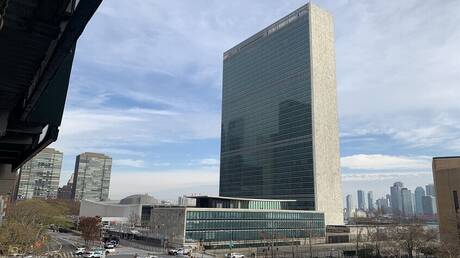
The United Nations expressed hope to control the outbreak of Ebola fever in Uganda and the Democratic Republic of Congo, seeking to provide necessary support to limit the spread of the virus. This announcement comes at a time when both countries are facing significant challenges in combating this deadly disease that threatens the lives of many citizens.
The UN is working to enhance its efforts in providing humanitarian and technical assistance to the affected countries, emphasizing the urgent need to supply vaccines and treatments necessary to combat the virus. New cases have been reported in the affected areas, raising concerns among health authorities.
Details of the Outbreak
The outbreak of Ebola fever in Uganda and the Democratic Republic of Congo is a serious health event that requires a rapid and effective response. Reports indicate that the number of confirmed cases has risen significantly in recent weeks, necessitating urgent intervention from the international community. Fatalities due to the virus have been recorded, adding pressure to the healthcare systems in both countries.
The UN is collaborating with local and international NGOs to develop comprehensive response plans aimed at containing the outbreak. These plans include health awareness campaigns, provision of personal protective equipment for healthcare workers, and strengthening laboratory capacities to expedite the diagnosis process.
Background & Context
Ebola fever is a serious viral disease that was first discovered in 1976 in the Democratic Republic of Congo. Since then, the region has experienced several outbreaks of the virus, resulting in thousands of deaths. Ebola fever causes severe symptoms, including fever, vomiting, diarrhea, and internal and external bleeding, making it one of the deadliest diseases.
Historically, the region has suffered from a lack of healthcare infrastructure, complicating the response to epidemics. Armed conflicts and corruption have exacerbated health conditions, making epidemic responses more complex.
Impact & Consequences
If the Ebola outbreak is not contained, the consequences will be dire for public health and the economy in Uganda and the Democratic Republic of Congo. The spread of the virus could lead to a deterioration of health conditions, an increase in mortality rates, and additional pressure on already strained healthcare systems.
Moreover, this health crisis could impact social and economic stability in the region, as restrictions imposed to limit the virus's spread may disrupt business activities and economic movement. Tourism, a vital sector for many African countries, could also be adversely affected.
Regional Significance
Although the Ebola outbreak is currently concentrated in Uganda and the Democratic Republic of Congo, there is growing concern in the Arab region about the potential spread of the virus. Health authorities in Arab countries emphasize the importance of enhancing screening and preventive measures, especially at border crossings and airports.
These events serve as a reminder of the importance of international cooperation in combating epidemics, as health crises in any region can affect global health security. Therefore, supporting the efforts of the UN and the affected countries is vital for maintaining public health.