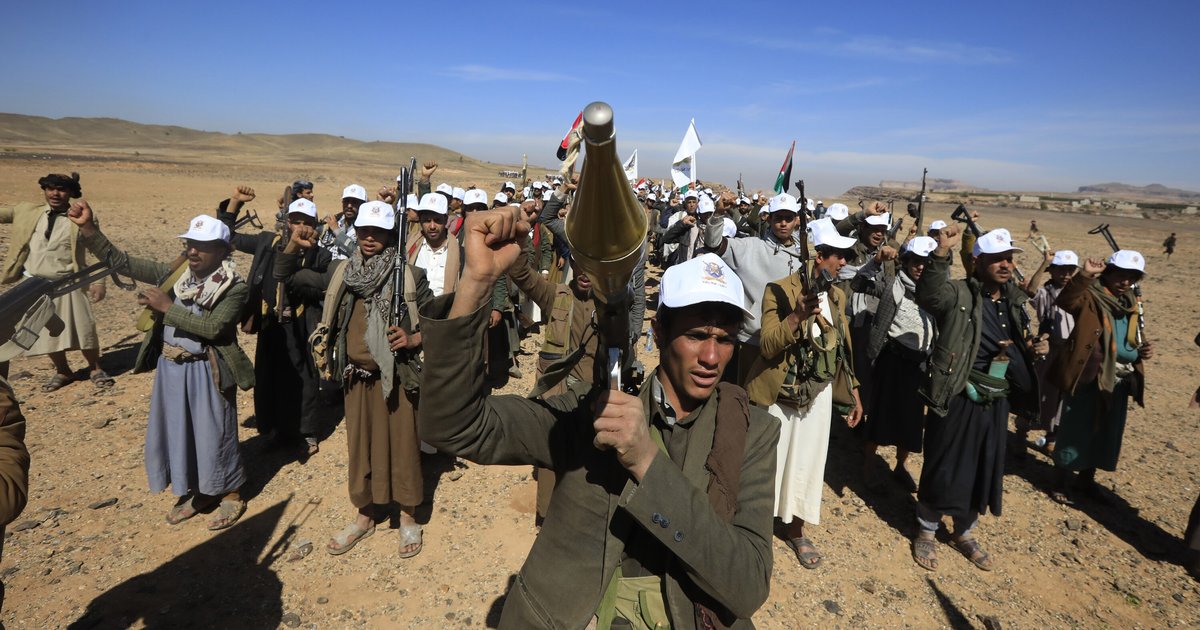
The UN envoy to Yemen, Hans Grundberg, has expressed deep concern regarding the Houthis' decision to re-engage in combat operations, warning that this decision could hinder ongoing peace efforts in the country. This comes at a time when Yemen is witnessing a surge in conflict, exacerbating civilian suffering and complicating the deteriorating humanitarian situation.
These statements follow recent reports indicating that the Houthis have begun to reinforce their forces on several fronts, raising fears of a military escalation that could worsen conditions in the country. Grundberg emphasized that the resumption of fighting would only lead to further suffering for the Yemeni people, urging all parties to exercise restraint and return to the negotiating table.
Details of the Situation
As attention turns to the peace efforts led by the UN envoy, the Houthis' decision emerges as a new obstacle to achieving stability in Yemen. Grundberg pointed out that the current situation requires all parties to commit to a ceasefire and refrain from any military escalation. He also called on the international community to support these efforts by pressuring the involved parties to return to dialogue.
It is worth noting that the Houthis had previously shown willingness to engage in peace talks, but the recent escalation raises questions about their true intentions. Local sources have confirmed that the Houthis have been transporting more weapons and equipment to combat fronts, further intensifying tensions in the region.
Background & Context
The history of the conflict in Yemen dates back to 2014 when the Houthis seized control of the capital, Sana'a, leading to the intervention of the Arab coalition led by Saudi Arabia in 2015. Since then, the country has experienced ongoing conflict that has claimed thousands of lives and caused one of the worst humanitarian crises in the world.
Despite ongoing international efforts to end the conflict, conditions in Yemen remain dire. Rates of poverty and unemployment have surged, with millions suffering from severe shortages of food, water, and healthcare. In this context, the Houthis' decision to return to fighting represents a new blow to hopes for peace in the country.
Impact & Consequences
The Houthis' decision to engage in war is expected to have serious implications for the humanitarian situation in Yemen. As fighting escalates, civilian suffering will increase, with many already facing acute shortages of essential resources. Additionally, this escalation may exacerbate security conditions, making it difficult for humanitarian organizations to provide necessary assistance.
Moreover, the escalation of the conflict could affect regional stability more broadly. Yemen represents a strategic crossroads in the region, and any military escalation could draw neighboring countries into the conflict, complicating the situation in the Middle East.
Regional Significance
The situation in Yemen is part of a broader struggle in the region, where regional and international interests intersect. The escalation of the conflict in Yemen could lead to increased tensions between regional powers such as Iran and Saudi Arabia, negatively impacting security and stability in the Gulf Arab states.
In light of these circumstances, the international community must intensify its efforts to support the peace process in Yemen and work towards a comprehensive solution that guarantees the rights of all parties and achieves stability in the region.
In conclusion, hope remains for the possibility of achieving peace in Yemen, but this requires a genuine commitment from all involved parties and an end to military escalation that only leads to further suffering for the Yemeni people.