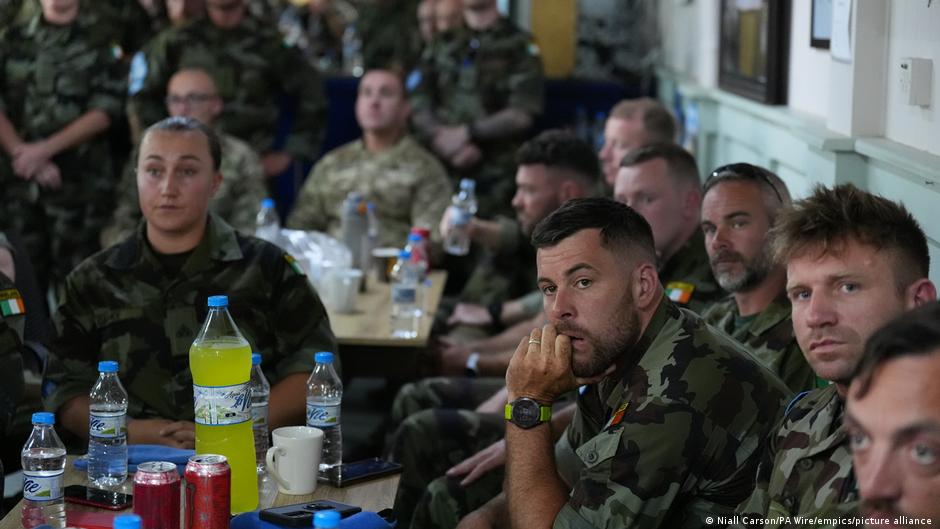
The United Nations has announced that the attacks on its peacekeeping forces in Lebanon, known as UNIFIL, represent a violation of Security Council Resolution 1701, which was adopted on August 11, 2006, following the end of the Lebanon War. This statement was made by Jean-Pierre Lacroix, the UN Under-Secretary-General for Peacekeeping Operations, during a press conference at the UN headquarters in New York.
Lacroix explained that the presence of Israeli Defense Forces in Lebanon constitutes a separate violation, emphasizing that all attacks against peacekeeping forces are also considered violations. He noted that Resolution 1701 serves as a political platform to achieve a long-term solution to the situation in southern Lebanon.
Details of Recent Attacks
In a related context, UNIFIL forces have faced several attacks, the latest resulting in the deaths of two Indonesian soldiers and injuries to others. The attack occurred near Bani Hayyan in southern Lebanon, escalating tensions in the region. Lacroix confirmed that the UN is in communication with contributing countries, including Indonesia, to ensure compliance with Resolution 1701.
Lacroix also mentioned that the UN Secretary-General reiterated that a military solution cannot be achieved; rather, a political solution must be pursued. He affirmed that the framework for a political solution is already in place, reflecting the importance of the resolution in achieving stability in the region.
Background & Context
Security Council Resolution 1701 was adopted following a 34-day war between Israel and Hezbollah in 2006. The resolution was designed to end the conflict and establish a framework for a permanent ceasefire. Among the key points of the resolution, it emphasized the necessity for Israeli forces to withdraw from southern Lebanon and for Lebanese and UNIFIL forces to be deployed in the area.
The resolution also mandated an increase in UNIFIL forces to a maximum of 15,000 personnel, with an expanded mandate to monitor the ceasefire and support the Lebanese army. It is also crucial that all armed groups in Lebanon are disarmed, ensuring that no weapons or authorities exist outside those of the Lebanese state.
Impact & Consequences
Concerns are growing that the escalation of attacks on peacekeeping forces could exacerbate the security situation in Lebanon, threatening regional stability. These events may also negatively impact the peace efforts sought by the UN and increase tensions between Israel and Hezbollah.
Moreover, the continued violations could lead to a loss of trust among the involved parties, making it difficult to achieve any progress toward a political solution. In this context, the international community must take urgent steps to ensure the protection of peacekeeping forces and enhance compliance with Security Council resolutions.
Regional Significance
The events in Lebanon are part of a larger picture of tensions in the Arab region, where political and security interests intersect. The rising violence in Lebanon could affect neighboring countries and increase instability in the region.
Additionally, the situation in Lebanon highlights the urgent need for international support for efforts to achieve peace and stability in the Middle East. Arab countries must collaborate with the international community to ensure the protection of civilians and promote political solutions.
In conclusion, the events in Lebanon remain a significant concern, as the current situation requires a swift and effective response from the international community to ensure security and stability in the region.