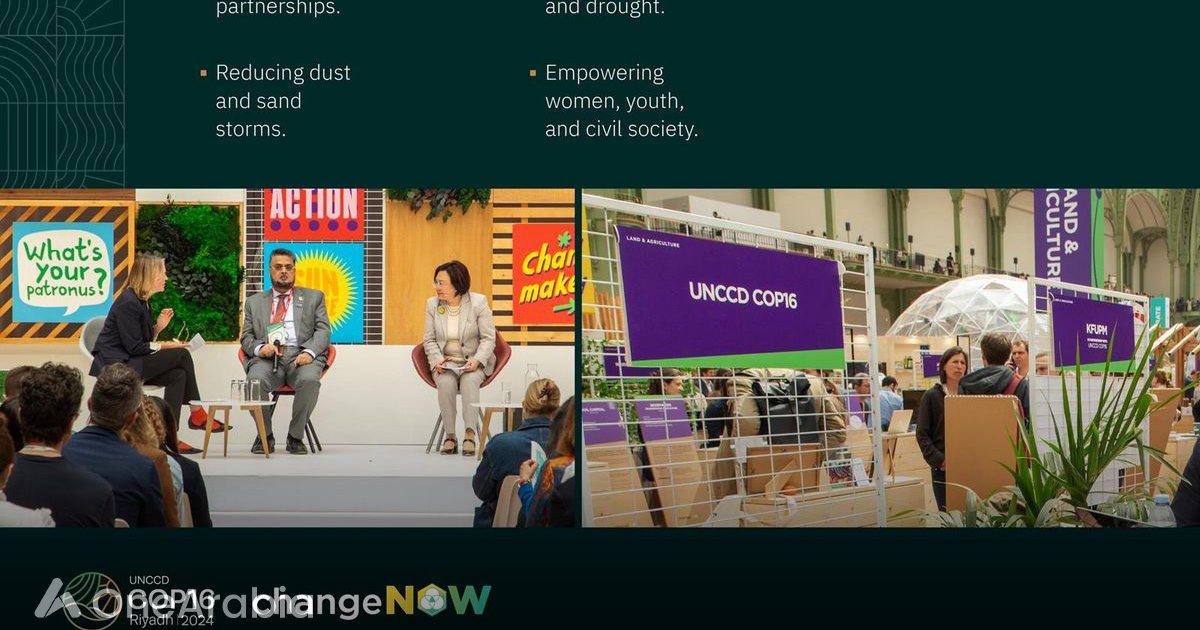
The United Nations has praised the leading role that the Kingdom of Saudi Arabia plays in restoring ecosystems and enhancing international cooperation for the sustainability of natural resources. This commendation comes at a time when environmental challenges are increasing worldwide, necessitating collaborative efforts among nations to achieve sustainable development goals.
Through its environmental initiatives, the Kingdom aims to improve quality of life and enhance biodiversity, focusing on forest restoration, wildlife protection, and water conservation. These efforts reflect the Kingdom's commitment to addressing climate change and achieving sustainable development.
Event Details
During an international conference on the environment, the environmental projects launched by the Kingdom were highlighted, such as the "Green Saudi Arabia" project, which aims to plant 10 billion trees across the country. The "Green Middle East" initiative was also mentioned, aiming to collectively address environmental challenges in the region.
These initiatives are part of the Kingdom's Vision 2030, which aims to achieve sustainable development and promote a green economy. The United Nations has confirmed that these projects serve as a model for other countries on how to tackle environmental issues.
Background & Context
The planet faces significant environmental challenges, such as climate change, biodiversity loss, and land degradation. These issues require a coordinated global response, making the role of major countries like Saudi Arabia in promoting collective action vital.
Historically, the Kingdom has relied on oil as a primary source of revenue, but the shift towards sustainability reflects an increasing awareness of the importance of environmental protection. The Kingdom has begun implementing new strategies aimed at reducing dependence on fossil fuels and promoting renewable energy sources.
Impact & Consequences
The United Nations' praise of the Kingdom is a positive step that enhances its international standing in environmental protection. This recognition could contribute to attracting foreign investments and strengthening international cooperation on environmental projects.
Moreover, the Kingdom's success in achieving its environmental goals could have a positive impact on the local economy by creating new job opportunities in areas such as renewable energy and sustainable agriculture.
Regional Significance
The environmental initiatives adopted by the Kingdom serve as a model for other Arab countries, as they can contribute to enhancing regional cooperation to address common environmental challenges. Collective action in this area can lead to improved quality of life in the region and enhance environmental stability.
In conclusion, the United Nations' praise for the Kingdom's role in restoring ecosystems reflects a genuine commitment from Riyadh to face environmental challenges, opening new avenues for international cooperation and reinforcing its position as a leader in environmental sustainability.