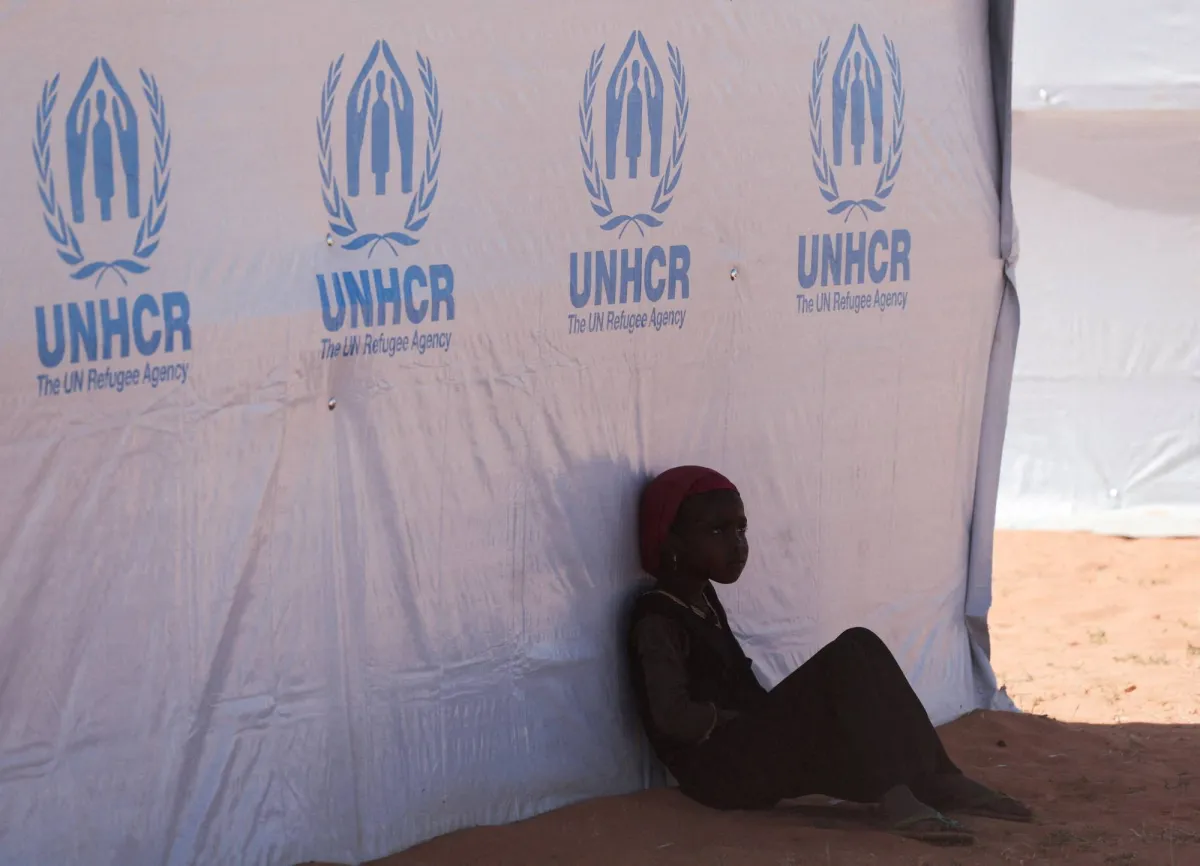
The UN High Commissioner for Refugees, Berham Saleh, has announced the agency's decision to lay off additional staff amid a decline in funding and external aid. Saleh confirmed that the financial situation of the agency necessitates urgent steps to address the increasing challenges.
In a message addressed to member states, Saleh indicated that the agency expects available funds to decrease by 15% compared to 2025, which will result in allocations dropping to just over three billion dollars. The announcement follows last year's cancellation of thousands of jobs, reflecting the financial pressures faced by the agency.
Details of the Announcement
This announcement comes at a time when the number of displaced persons worldwide is increasing due to wars and persecution. The agency is working to provide support to individuals forced to leave their homes in regions such as Ukraine, Sudan, and other conflict-affected countries. In his message, Saleh emphasized that the deteriorating financial situation requires urgent action to maintain the agency's ability to provide necessary assistance.
Saleh, who sent his message on May 15, clarified that the agency has no choice but to take these difficult measures. He also pointed out that financial challenges will directly impact the agency's capacity to meet the needs of refugees and displaced persons.
Background & Context
The UN High Commissioner for Refugees was established in 1950 with the aim of protecting the rights of refugees and providing them with necessary assistance. Since then, the agency has faced numerous financial challenges, but the current situation is among the most difficult. With escalating conflicts in several countries, the number of displaced persons has significantly increased, putting additional pressure on available resources.
Historically, the agency has relied on financial support from member states and external aid. However, geopolitical and global economic tensions have led to a reduction in this assistance, negatively affecting the agency's ability to fulfill its commitments.
Impact & Consequences
The layoffs and financial reforms may lead to a reduction in services provided to refugees, increasing their suffering. At a time when displaced persons need support more than ever, the funding shortfall could hinder the agency's ability to meet their basic needs.
Potential consequences include increased tensions in conflict areas, where a lack of aid may exacerbate humanitarian conditions. Additionally, the reduction in services could impact the stability of host countries, potentially worsening regional crises.
Regional Significance
The Arab region is among the most affected by refugee crises, with many Arab countries hosting large numbers of displaced persons. In light of declining funding, these countries may face additional challenges in providing necessary support to refugees.
If the agency continues to reduce its services, it could lead to increased pressures on host Arab countries, affecting their social and economic stability. Therefore, addressing these issues requires greater international cooperation to ensure the necessary support for refugees.
In conclusion, the current situation demands urgent action from the international community to ensure the continuity of support for the UN High Commissioner for Refugees, in order to protect the rights of refugees and meet their basic needs.