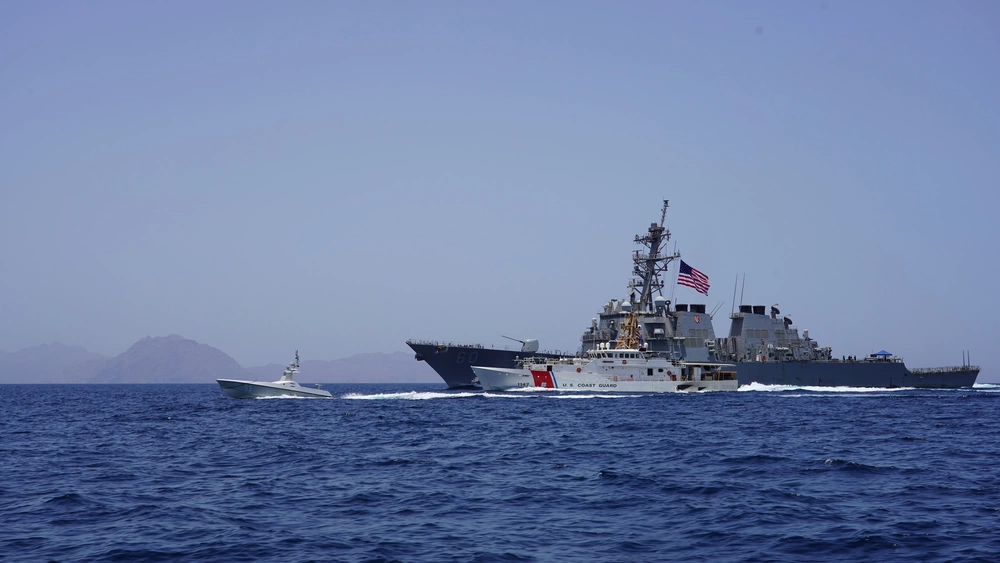
Bahraini Foreign Minister Abdullatif bin Rashid Al Zayani stated that the UN Security Council is expected to conduct a vote on a resolution regarding the Hormuz Strait on April 3, 2026. This decision comes at a time when tensions in the region are escalating, as the international community seeks to bolster security and ensure the safety of navigation in one of the world's most vital maritime corridors.
The proposed resolution authorizes member states to use "all necessary defensive means" to protect navigation in the Hormuz Strait and the surrounding waters, including the territorial waters of coastal states. Al Zayani emphasized that this measure aims to secure transportation routes and prevent any attempts to close or disrupt international navigation.
Details of the Upcoming Vote
During the Security Council meeting, Al Zayani expressed hope that the council would adopt a unified stance during the vote on the draft resolution. He confirmed that the proposed document is fully aligned with international laws, reflecting the international community's commitment to safeguarding navigation in this strategic area.
It is noteworthy that the Security Council has not yet set a date for the scheduled meeting on April 3, as there are no planned meetings on its agenda for that day. However, the vote on the resolution represents a significant step in the international efforts to protect navigation in the Hormuz Strait.
Background & Context
The Hormuz Strait is a vital waterway connecting the Arabian Gulf to the Gulf of Oman, and it is considered a major transit point for transporting oil and natural gas from Gulf countries to global markets. The region has witnessed increasing tensions in recent years, particularly following repeated attacks on commercial vessels, leading to significant concern within the international community.
On February 28, the United States and Israel launched attacks on targets in Iran, resulting in damage and loss of life. Iran responded to these attacks by targeting areas in Israel and U.S. military facilities in the Middle East, further escalating tensions in the region.
Impact & Consequences
The rising tensions in the region could have negative effects on global energy prices, as the global economy heavily relies on oil supplies from the Gulf. Any disruptions in navigation through the Hormuz Strait could lead to an increase in oil prices, impacting the global economy as a whole.
Furthermore, the vote on the resolution in the Security Council may contribute to enhancing international cooperation in addressing security threats and reflects the commitment of member states to protect international navigation. However, reactions from Iran and other countries in the region will be crucial in determining how the situation evolves.
Regional Significance
For Arab countries, any escalation of tensions surrounding the Hormuz Strait could directly affect national security and the economy. Many Arab nations depend on oil and gas supplies, and any disruptions in navigation could lead to rising prices and increased costs.
Additionally, cooperation between Arab countries and the international community in this context is essential to ensure regional stability. Arab nations must work together to enhance security in the Hormuz Strait and avoid any escalation that could lead to new conflicts.
In conclusion, the anticipated vote in the Security Council regarding the Hormuz Strait represents an important step toward enhancing security in the region. The current situation requires effective international cooperation and a swift response from all stakeholders to ensure the safety of international navigation.