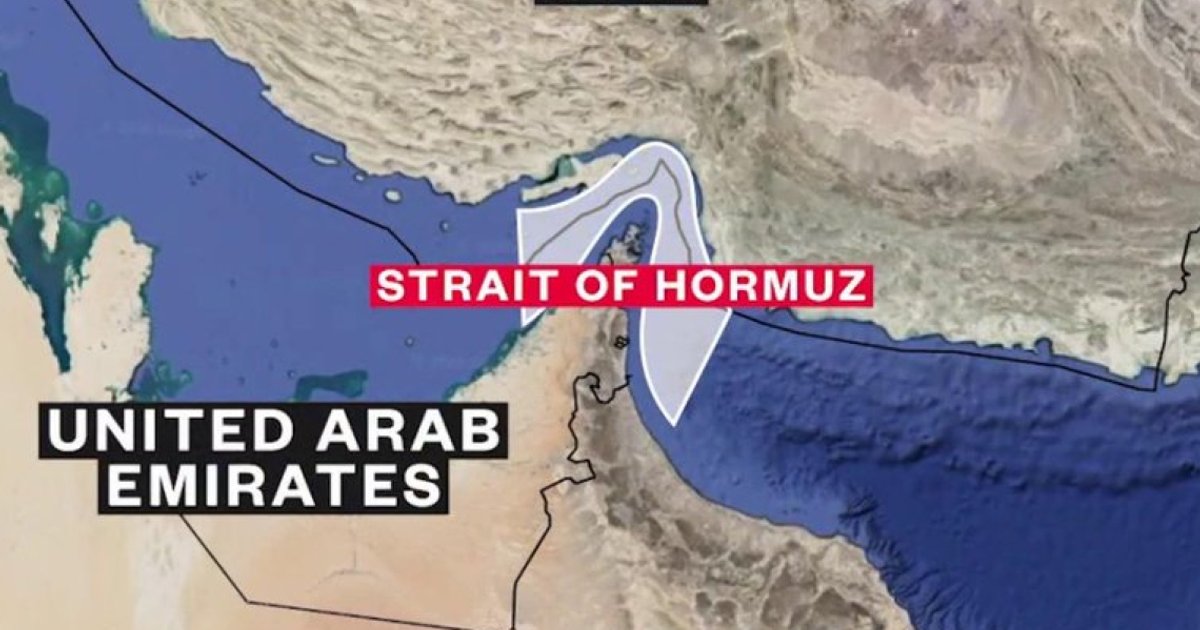
The UN Security Council voted on Tuesday on a resolution aimed at reopening the Strait of Hormuz, after its tone was softened for the second time due to opposition from Russia and China. The new version of the resolution, presented by Bahrain, focuses on encouraging countries to coordinate their defensive efforts to ensure safe navigation in this vital waterway.
The original draft granted countries a mandate to use "all necessary means," including military action, to ensure passage through the strait. However, the amended version merely calls for a "strong encouragement" for countries to escort commercial and cargo ships and to deter any attempts to close or obstruct navigation.
Details of the Resolution
The draft resolution also includes a call for Iran to immediately cease attacks against ships transiting the Strait of Hormuz, which is a vital artery for the global transport of oil and gas. Diplomats have reported that the softened version has a better chance of being approved, but it requires nine votes in favor and no vetoes from permanent members.
Last week, China opposed a resolution that authorized the use of force to open the strait, indicating that it could escalate the situation. Chinese Foreign Minister Wang Yi confirmed Beijing's readiness to cooperate with Moscow in the Security Council to de-escalate the situation in the Middle East.
Background & Context
These developments come at a time of increasing tension in the region, where Iran's restrictions on navigation in the Strait of Hormuz since March have led to global economic crises. The United States, Israel, and Iran have been exchanging attacks, complicating the situation further.
Iran, for its part, has expressed its desire to end the war, rejecting pressures to reopen the strait. Meanwhile, former U.S. President Donald Trump threatened Iran with severe consequences if it did not open the strait, heightening tensions.
Impact & Consequences
The potential impact of this resolution on international navigation will be significant, as the Strait of Hormuz is a critical transit point for energy transport. Any escalation in the situation could lead to rising oil prices and affect the global economy.
Furthermore, the continuation of tensions in the region could negatively impact regional security, necessitating greater international interventions. The instability in the Strait of Hormuz also threatens the economic interests of neighboring Arab states.
Regional Significance
For Arab countries, any escalation in the Strait of Hormuz could lead to severe economic repercussions. Many of these countries rely on oil exports, and any disruption in navigation could affect their revenues.
In light of these circumstances, Arab nations must enhance their security and economic coordination to address the increasing challenges in the region. Stability in the Strait of Hormuz is vital for regional security and the global economy.