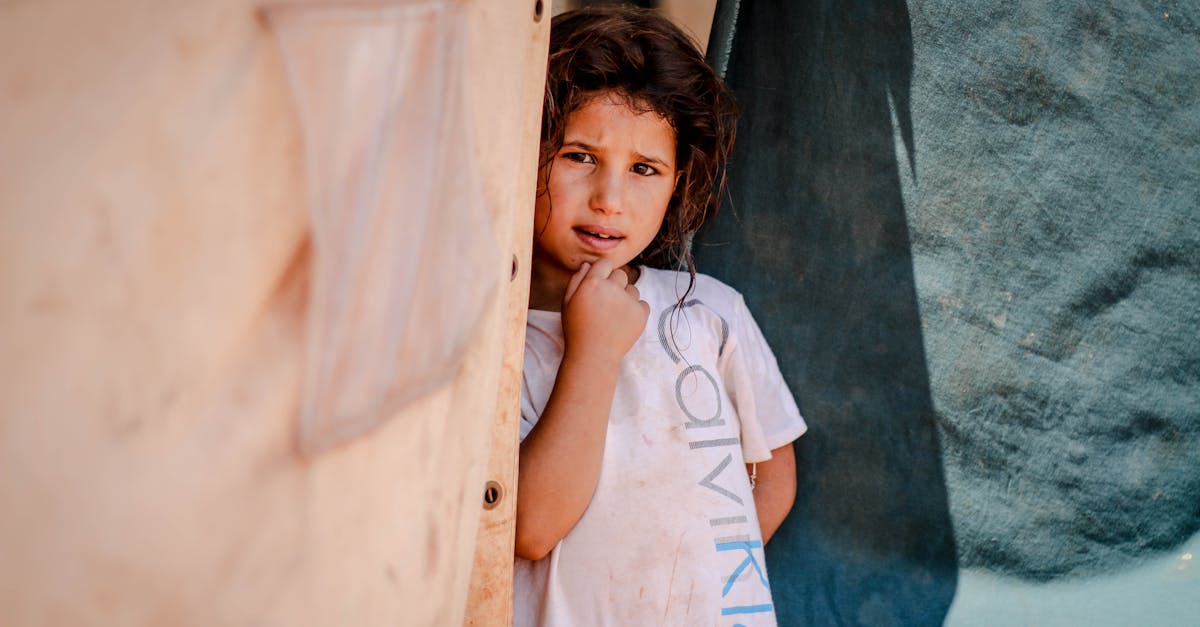
The United Nations Children's Fund (UNICEF) reports that approximately five million children in the Sudanese region of Darfur are experiencing severe deprivation, prompting an urgent warning about the deteriorating humanitarian situation. This warning comes at a time when the region is suffering from multiple crises, including armed conflicts, poverty, and a lack of basic resources.
Darfur is witnessing unprecedented levels of violence and displacement, as armed groups continue to clash with government forces, exacerbating the humanitarian conditions. UNICEF has indicated that children are the most affected, lacking access to education, healthcare, and sufficient food.
Details of the Situation
Concerns are growing that the ongoing conflict will further worsen the humanitarian conditions in Darfur. UNICEF issued an official statement confirming that children are facing severe deprivation of essential services, negatively impacting their health and development. The organization also stated that over one million children are suffering from acute malnutrition, threatening their lives.
UNICEF is striving to provide urgent assistance to the affected children, but a lack of funding and resources hampers its efforts. The organization has called on the international community to provide the necessary support to address this humanitarian crisis.
Background & Context
Historically, Darfur has experienced ongoing conflicts since 2003, when a civil war broke out between the Sudanese government and rebels from various regions. These conflicts have resulted in the deaths of thousands and the displacement of millions, worsening the humanitarian situation in the area.
Over the years, the Sudanese government and the international community have attempted to find solutions to the crisis, but efforts have been insufficient. Instead, conditions have continued to deteriorate, making children in Darfur primary victims of the conflict.
Impact & Consequences
The deprivation of children's basic rights in Darfur has far-reaching effects on society as a whole. Children suffering from malnutrition or lack of education will face significant challenges in the future, impacting the region's economic and social development.
Moreover, the ongoing conflict and instability in Darfur could lead to regional repercussions, as humanitarian crises may spill over into neighboring countries, creating new challenges for regional governments.
Regional Significance
The Darfur crisis is part of broader humanitarian crises in the Arab region. With increasing conflicts in countries like Syria and Yemen, the humanitarian situation in Darfur represents an additional challenge for the international community.
These crises require a coordinated response from Arab states and the international community to ensure the protection of children and the provision of necessary humanitarian assistance. Failure to respond to these crises could exacerbate conditions and increase human suffering.
In conclusion, the international community must act swiftly to provide the necessary support to children in Darfur, as every day that passes without action exacerbates their suffering and threatens their future.