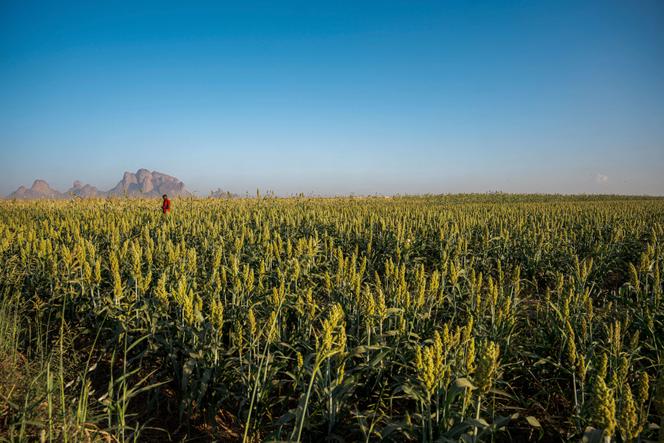
The United Nations has raised alarms regarding an escalating threat to food security in many impoverished nations, with reports indicating that the fertilizer shortage stemming from the conflict in the Hormuz region could exacerbate the hunger crisis. Approximately 45 million individuals are at risk of slipping into severe food insecurity, coinciding with the onset of the planting season in areas such as the African Sahel and the Horn of Africa.
The ongoing war between the United States and Iran since February 28 has disrupted shipping routes, directly impacting the supply of essential fertilizers needed for crop cultivation. Many countries in these regions are grappling with challenging economic conditions, making them more vulnerable to the repercussions of food shortages.
Details of the Crisis
Concerns are mounting that the fertilizer shortage will lead to a sharp decline in crop production, further intensifying hunger in areas already suffering from armed conflicts and climate change. Jorge Moreira da Silva, the Director-General of the United Nations Office for Project Services, emphasized the urgent need for immediate action to prevent a larger humanitarian crisis.
As the United Nations strives to ensure freedom of navigation in the Strait of Hormuz, it calls for urgent measures to guarantee that fertilizers reach the most needy countries. This is particularly crucial with the planting season approaching, as farmers depend on these materials to ensure adequate crop yields.
Background & Context
Historically, the Strait of Hormuz is one of the most vital maritime passages in the world, through which approximately 20% of global oil supplies flow. However, ongoing conflicts in the region, including tensions between Iran and the United States, have exacerbated humanitarian crises in neighboring countries. These conflicts have particularly affected developing nations that rely on imports to meet their fertilizer needs.
This crisis coincides with climatic phenomena such as El Niño, which may lead to severe weather conditions, further complicating the food situation in these areas. With the increasing number of people suffering from food insecurity, the need for a swift and effective response is becoming increasingly urgent.
Impact & Consequences
The United Nations anticipates that the fertilizer shortage will lead to a decrease in agricultural production, which will, in turn, drive up food prices. This situation could worsen the deteriorating economic conditions in poor countries, increasing rates of poverty and hunger. Additionally, the continuation of conflicts in the region may exacerbate humanitarian crises, necessitating urgent international intervention.
The potential impacts of this crisis may extend beyond the directly affected countries, possibly leading to increased migration and displacement, creating new challenges for neighboring nations. Therefore, addressing this issue requires international cooperation and coordination among governments and humanitarian organizations.
Regional Significance
The implications of the fertilizer shortage are profound, as they threaten the livelihoods of millions and could destabilize entire regions. The international community must act decisively to mitigate these risks and ensure that vulnerable populations receive the support they need to survive.
In conclusion, the fertilizer crisis poses a significant threat to food security for millions in poor countries, necessitating an urgent response from the international community to avert a humanitarian disaster.