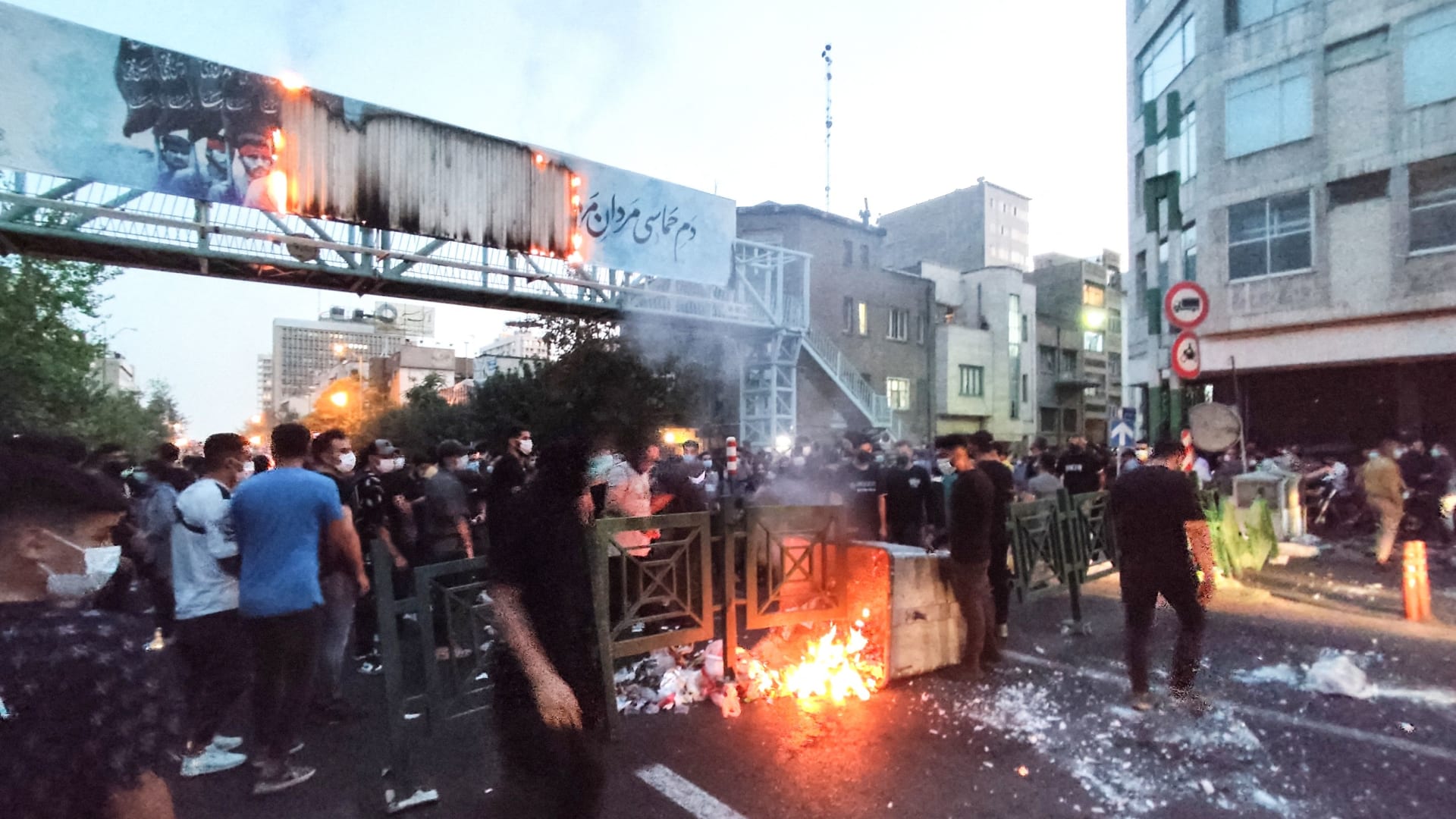
The UN High Commissioner for Human Rights, Volker Turk, has warned that the war involving Iran may escalate into a serious conflict that could exceed regional boundaries, necessitating urgent action to stop the fighting. This warning was made during an emergency session of the Human Rights Council in Geneva, called by Gulf states, where Turk described the situation as volatile and unpredictable.
Turk emphasized that "this conflict possesses unprecedented power to draw in countries across borders and around the world," noting that the continuation of fighting could lead to dire consequences on both regional and international levels. He urged governments, particularly those with influence, to take immediate action to prevent further escalation, stressing that "the only guaranteed way to prevent this is to end the conflict."
Details of the Situation
These warnings come at a time when the situation in Iran is experiencing increasing tension, with the interests of regional and international powers overlapping in the conflict. Turk pointed out that the conflict could pull other countries into the fray, potentially broadening the scope of the war and complicating humanitarian conditions in the region.
The High Commissioner called on all nations, especially those with influence, to do everything in their power to achieve peace. He affirmed that the international community must take responsibility in addressing this escalating crisis.
Background & Context
Historically, Iran has been at the center of numerous regional conflicts, with its interests intertwining with major powers in the region, such as the United States and Saudi Arabia. Recent years have seen a rise in tensions between Iran and Gulf states, particularly following the U.S. withdrawal from the Iranian nuclear deal in 2018, which led to an escalation of economic and political sanctions on Tehran.
The conflict in Syria and Yemen has also exacerbated the situation, as Iran supports armed groups in both countries, intensifying the conflict and complicating peace efforts. In this context, the UN warnings serve as a call to attention regarding the potential risks that may arise from the escalation of the conflict.
Impact & Consequences
If the conflict continues to escalate, it could have serious repercussions on both regional and international security. Armed conflicts often lead to an influx of refugees, increased sectarian tensions, and a deterioration of humanitarian conditions. Furthermore, the escalation of the conflict could impact oil prices and global markets, negatively affecting economies reliant on oil.
Moreover, the escalation of the conflict could draw other countries into the fray, complicating the situation further and making peace more difficult to achieve. Thus, Turk's warnings reflect a genuine concern that the war could spiral out of control.
Regional Significance
For the Arab region, the escalation of the conflict in Iran could have direct implications for security and stability. Gulf states, which share borders with Iran, could be significantly affected by any military escalation. Additionally, the conflict may reignite sectarian tensions in the region, exacerbating divisions among Arab states.
In conclusion, the international community must take urgent steps to contain the conflict in Iran, as the continuation of fighting could lead to dire consequences for regional and international security. The UN calls for an end to the fighting reflect the urgent need for peace and stability in the region.