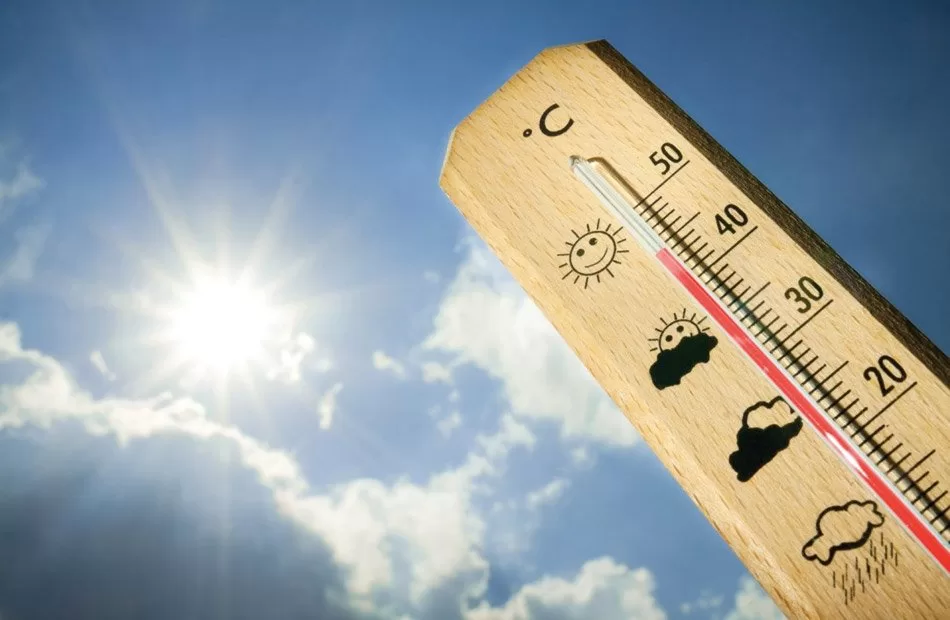
The United Nations has indicated that global temperatures will remain at record or near-record levels during the period from 2026 to 2030. Forecasts suggest a 75% probability that the average temperatures in these five years will exceed pre-industrial levels by more than 1.5 degrees Celsius.
The report issued by the World Meteorological Organization, prepared by the UK’s National Weather Service, highlights growing concerns about climate change and its impacts on the planet. The report also noted a 86% chance that one of the years during this period will record the highest temperature ever, which was set in 2024.
Event Details
These forecasts come at a time when concerns about the repercussions of climate change are escalating, as global temperatures continue to rise significantly. The report pointed out that this increase in temperatures could exacerbate environmental, economic, and social crises worldwide.
Additionally, the report indicated that this rise in temperatures will particularly affect regions most vulnerable to climate changes, such as coastal areas and small islands, increasing the risks of flooding and rising sea levels.
Background & Context
Climate change has become an urgent global issue, with challenges related to it continuously increasing. Since the onset of the industrial revolution, the Earth has experienced a significant rise in temperatures, leading to major environmental changes. Studies have shown that human activities, such as burning fossil fuels and deforestation, play a key role in this change.
Countries around the world are striving to take action to reduce greenhouse gas emissions, but progress remains slow. Recent reports have indicated that many countries have not met the targets set in the Paris Climate Agreement, raising concerns about the future.
Impact & Consequences
The consequences of rising temperatures will be severe, affecting agriculture, water resources, and public health. These changes are expected to lead to shortages of food and water resources, potentially escalating conflicts in some regions.
Health impacts resulting from rising temperatures may include an increase in heat-related illnesses, as well as the spread of infectious diseases. These challenges require a swift and effective response from governments and communities.
Regional Significance
The Arab region is not immune to the effects of climate change, facing significant challenges due to rising temperatures. These changes are expected to impact agriculture and food security, increasing social and economic tensions.
Arab countries are among the most vulnerable to climate changes, suffering from water shortages and high temperatures. Therefore, the need for effective strategies to adapt to these changes has become an urgent necessity.
The forecasts issued by the United Nations indicate the need for urgent action to address the challenges of climate change. Countries must cooperate and work together to reduce emissions and achieve sustainable development goals.