The United Nations has issued a stark warning regarding the disastrous consequences of the continued military escalation in the Middle East, noting that this escalation extends beyond the regional scope to impact the global economy. The organization confirmed that the continuation of this military approach could result in economic losses for the region ranging from 3.5% to 6% of its total GDP, which could drive approximately 4 million people into poverty.
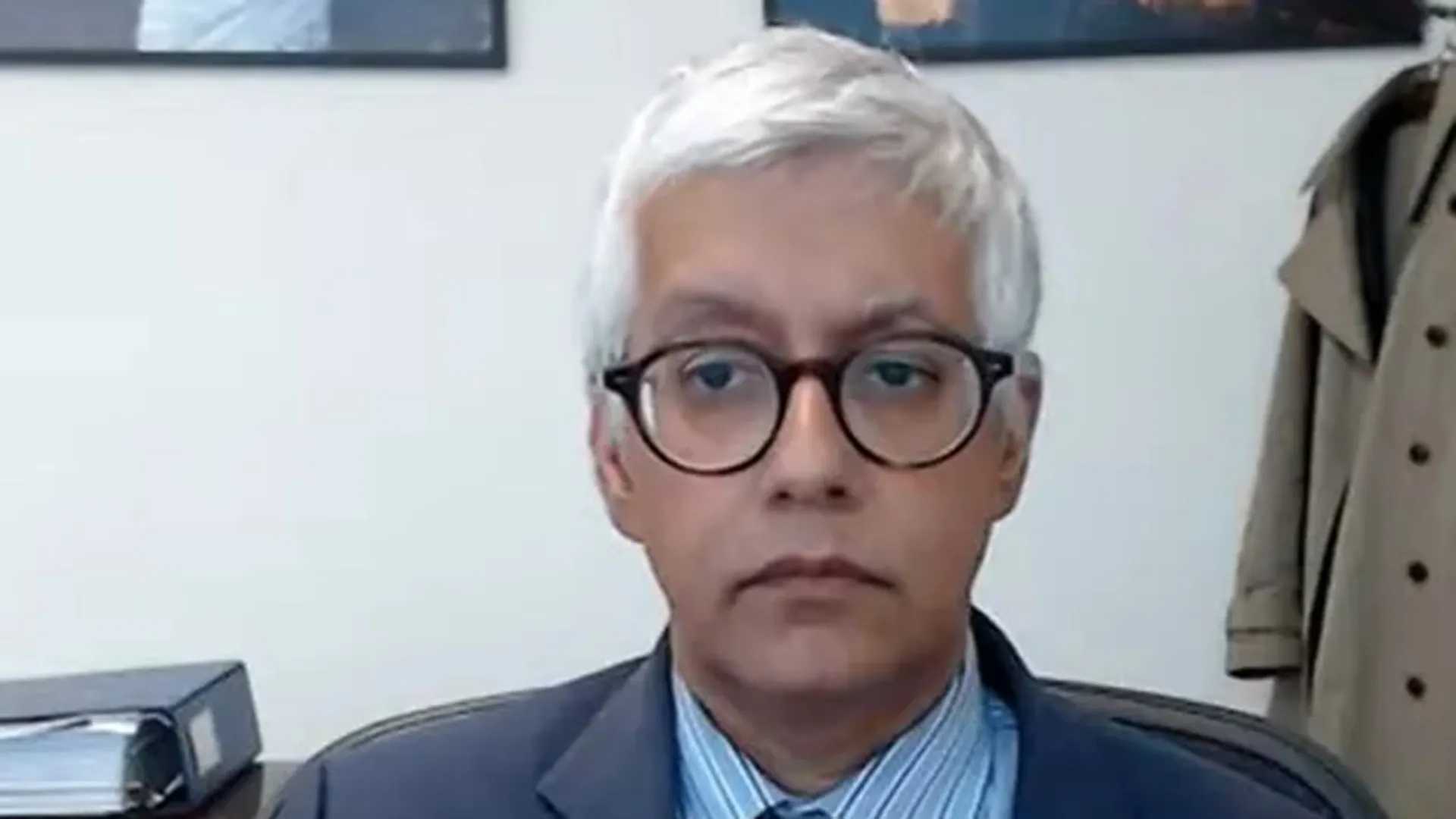
In a statement to Al Jazeera Mubasher, Farhan Haq, the Deputy Spokesperson for the UN Secretary-General, asserted that the organization's message is clear and firm: the war must be stopped as soon as possible. Haq emphasized the importance of all parties adhering to the UN Charter, which prohibits attacks against states, urging both Israel and the United States to cease their attacks on Iran, while calling on Iran to stop targeting neighboring countries and ensure freedom of international navigation.
Details of the Event
The UN's warnings are not limited to economic aspects; they also encompass global food security. Haq warned that disruptions in supply chains and the halt of fertilizer exports, coupled with the steady rise in fuel prices, will inevitably lead to global inflation waves and a severe shortage in food production in the coming months.
Regarding the Lebanese situation, Haq confirmed that Israel has no right to violate Lebanese sovereignty or establish buffer zones, stressing that the only solution lies in implementing resolution 1701 and respecting the Blue Line. This resolution, which was unanimously adopted in 2006, aims to end the war between Israel and Hezbollah and stipulates that the area between the "Blue Line" and the Litani River must be free of any armed individuals or weapons not belonging to the Lebanese army and the international peacekeeping forces (UNIFIL).
Background & Context
Concerns are rising over escalating tensions in the Middle East, where ongoing conflicts are affecting economic and security stability. The ongoing conflict between Israel and Hezbollah has exacerbated the humanitarian situation in Lebanon, where more than 1.1 million displaced individuals are living in difficult conditions. The UN considers the return of these displaced individuals a top priority that requires an immediate cessation of hostilities.
Haq also noted that the UN is working to empower the Lebanese government to be the "sole authority" controlling all armed forces within its territory, which is a crucial step toward achieving stability in the country.
Impact & Consequences
Estimates indicate that the continuation of the conflict in the region will exacerbate economic and social crises, significantly impacting global supply chains, which will increase poverty and unemployment rates. Additionally, rising prices of food and energy will affect the lives of millions, potentially leading to social protests in many countries.
In a related context, the Deputy Spokesperson for the UN revealed that investigations into the killing of 3 Indonesian soldiers from UNIFIL forces are ongoing, emphasizing that peacekeepers enjoy "protected" status under international law and should not be targeted by any party.
Regional Significance
This military escalation poses a threat to security and stability in the Arab region, as it could worsen humanitarian crises and increase civilian suffering. The negative economic impacts may extend to other countries in the region, necessitating an urgent response from the international community.
In conclusion, Secretary-General Antonio Guterres is leading an intensive diplomatic effort with the leaders of Iran, Turkey, and Pakistan through his personal envoy Jean Arnault, in an attempt to find political pathways to prevent the region from sliding into an uncontrollable full-scale escalation.