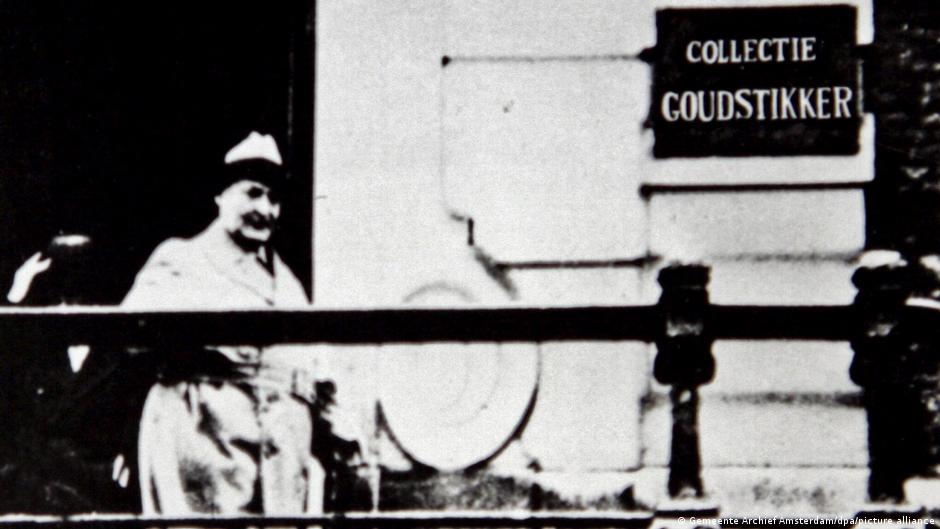
A stolen artwork from the Nazi era has surfaced in the Netherlands, identified in the possession of descendants of the notorious Nazi collaborator Hendrik Seyffardt. It is believed that the family has kept the painting in their home for decades after it was stolen from the collection of Jack Goudstikker, a well-known Jewish art dealer.
A family member who discovered the truth about the painting spoke to Dutch media, calling for its return to Goudstikker's heirs. Dutch art investigator Arthur Brand confirmed that he was able to verify that the artwork, titled Portrait of a Young Girl by artist Tun Kilder, belongs to Goudstikker's famous collection, which was stolen during World War II.
Details of the Discovery
Brand stated that he was contacted several months ago by a member of the Seyffardt family through an intermediary, who was shocked to learn that their family was hiding some troubling secrets, including their lineage to Seyffardt, who was linked to the Waffen-SS, and that the painting could be clearly traced back to Goudstikker's collection.
In an interview with the Dutch newspaper De Telegraaf, he said: "I discovered that my family owns the stolen painting and does not want to return it. I was shocked. That is why I am bringing it to light now. I feel deep shame about my family's past and anger over years of silence. The painting must return to the rightful Jewish heirs."
Historical Context
Historically, the Goudstikker collection was one of the largest art collections in the Netherlands, owning over 1,200 artworks before World War II, and was considered the foremost dealer of old art in the country. His entire collection was looted during the war, and it still represents the largest claim for missing artworks that were stolen by the Nazis.
Seyffardt died after being shot in his home in The Hague in February 1943, and it is believed that the painting was inherited by his son, who ran a marketing company promoting anti-Semitic propaganda and supported his father's volunteer corps and the Hitler Youth.
Challenges of Art Recovery
This case exemplifies the challenges faced by governments and communities in recovering stolen artworks. While Goudstikker's heirs are seeking restitution, authorities face limited options as legal deadlines have expired, and restitution bodies cannot compel private owners to return these works.
Last year, authorities in Argentina recovered an 18th-century Italian painting believed to have been stolen by a fleeing Nazi officer over 80 years ago. These incidents highlight the urgent need for more international efforts to recover stolen cultural heritage.
Regional Significance
The discovery of this stolen painting raises significant questions about the ownership of art and the moral responsibilities of current holders of such works. It underscores the ongoing struggle to address historical injustices related to art theft during wartime.
As discussions continue regarding the return of the painting to Goudstikker's heirs, this case serves as a reminder of the importance of addressing the legacy of art theft and the need for transparency in art ownership.