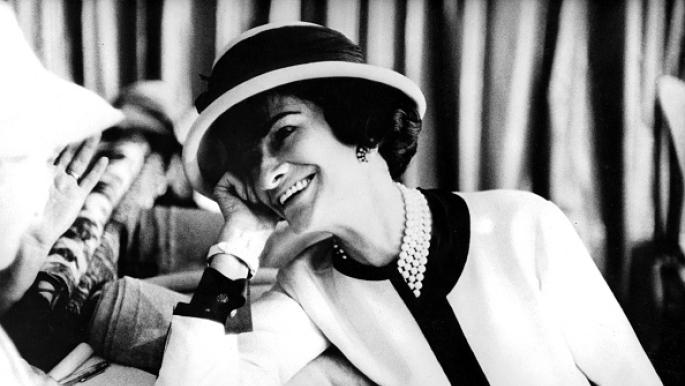
Historical evidence increasingly suggests that Coco Chanel, the famous fashion designer, had close ties with Nazi officials during World War II. While she is believed to have sought to benefit from their policies, the extent of her ideological commitment and intelligence work remains a topic of debate.
Coco Chanel is considered one of the most prominent figures in the fashion world, having contributed to changing the concept of women's fashion. However, her personal and political life was filled with controversy, especially due to her association with the Nazi regime. Numerous studies indicate that she had relationships with Nazi officers, raising questions about her true motives.
Details of the Controversy
In recent years, a collection of historical documents has revealed new details about Chanel's relationship with the Nazis. Reports indicate that she sought to capitalize on the political situation in Europe during that time, attempting to promote her brand through collaboration with the Nazi regime. She was spotted at various social events with prominent Nazi figures, which strengthens the hypothesis of her collaboration.
While some historians believe that Chanel was merely trying to protect her business interests, others argue that there was a greater ideological commitment. She held sympathetic views towards Nazism, which may explain her efforts to get close to Nazi officials.
Background & Context
The House of Chanel was established in 1910 and quickly became a symbol of haute couture. With the outbreak of World War II, Europe underwent radical changes in the political and social landscape. Coco Chanel was living in Paris, which was under Nazi occupation, placing her at the heart of historical events. During this period, many prominent figures in society attempted to take advantage of the new situation, including Chanel.
During the occupation, many fashion houses were closed, but Chanel managed to maintain her brand. However, her association with the Nazis significantly impacted her reputation, leading to widespread criticism after the war.
Impact & Consequences
After the war, Coco Chanel faced significant repercussions due to her ties to the Nazi regime. She was accused of treason by some circles, negatively affecting her career. Nevertheless, she managed to return to the fashion world in the 1950s, reviving her brand, but her history with the Nazis continued to haunt her.
This story illustrates how political circumstances can affect individuals' lives and how personal interests can intertwine with political ideologies. Chanel remains an example of the complexity that can surround public figures in times of crisis.
Regional Significance
The story of Coco Chanel serves as an important lesson on how global events can impact local cultures. In the Arab world, many countries have experienced similar trials during periods of occupation and conflict. Chanel's experience can serve as a warning about the dangers of complicity with authoritarian regimes and how individual choices can shape history.
Ultimately, Coco Chanel remains a controversial figure, where fashion and politics intertwine in a complex manner. Understanding her history helps us gain deeper insights into how global events influence individuals and communities.