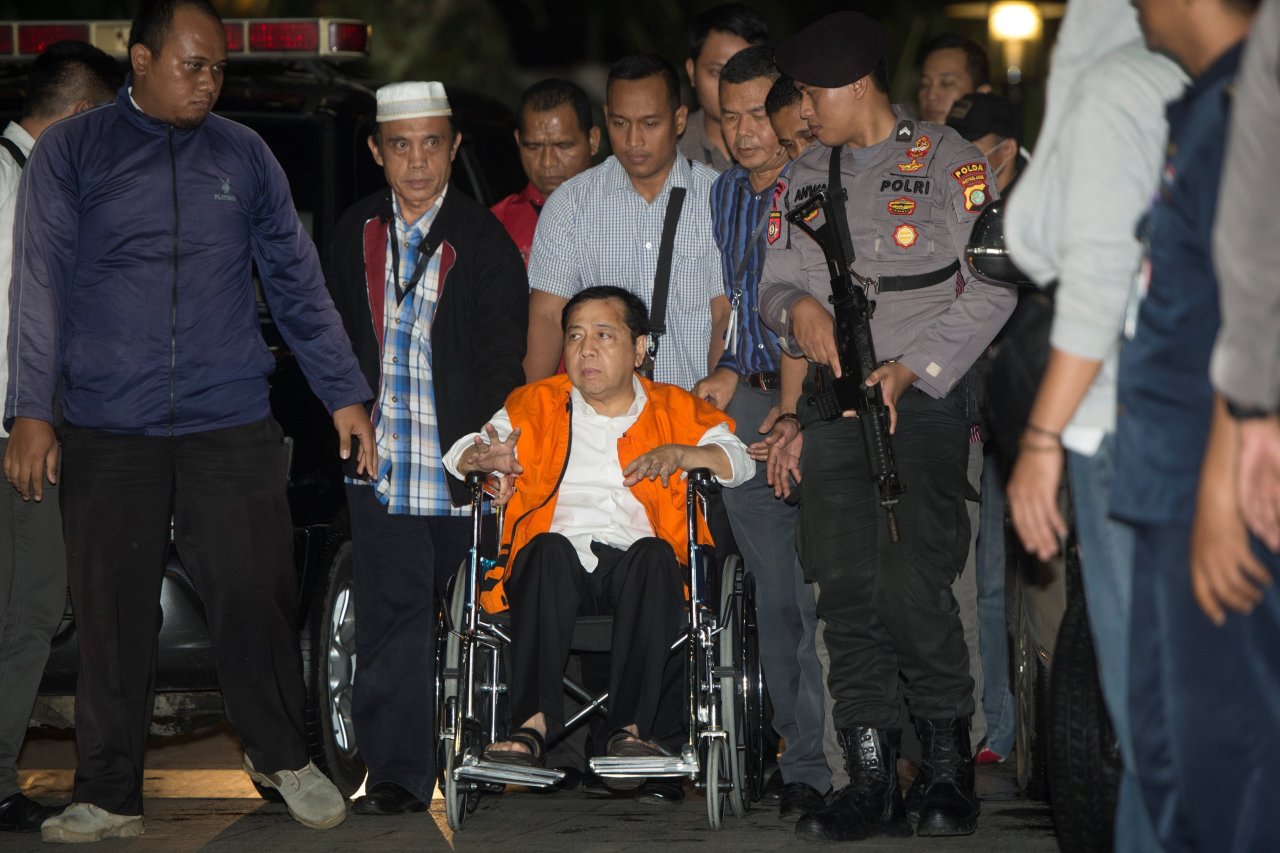
Attention is focused on Indonesia following serious corruption allegations involving the Ministry of Labor, where suspicious financial flows linked to former Minister Ida Fauziyah have been revealed. This case pertains to extortion related to the issuance of K3 certificates, raising concerns about the integrity of government institutions.
During a corruption court session in Jakarta, current Deputy Minister of Labor Emmanuel "Noel" Ibenezar Gerongan stated that investigations into this case fall under the jurisdiction of the relevant authorities. Noel confirmed he is facing personal challenges, indicating that the current situation weighs heavily on him.
Details of the Case
New details emerged during court sessions, where a government employee testified about financial transfers amounting to 50 million rupiah in favor of Ida Fauziyah. Another accused, Irviansyah Bubi Mahendro, mentioned unofficial financial transfers to support electoral activities, valued at 200 million rupiah per event.
The case involves extortion related to the issuance of K3 certificates, with Noel and ten others accused of extorting applicants for the certificates, totaling 6.52 billion rupiah. The list of accused includes prominent names, complicating the case further.
Background & Context
Historically, Indonesia has witnessed numerous corruption cases involving government officials, affecting citizens' trust in government institutions. This case is part of a series of investigations highlighting the pervasive corruption in the country, which necessitates radical reforms to enhance transparency and integrity.
These events coincide with the country's preparations for the upcoming legislative elections in 2024, increasing the significance of this case and its impact on the political landscape in Indonesia. Citizens are looking forward to the investigation results and their implications for the future of the government.
Impact & Consequences
This case serves as a wake-up call for the Indonesian government, underscoring the urgent need to strengthen anti-corruption mechanisms. The outcomes of the investigations are expected to affect the government's reputation and its ability to manage affairs effectively, especially amid the economic and social challenges facing the country.
Moreover, this case may lead to changes in government policies related to labor and transparency, potentially reshaping the relationship between the government and citizens. An effective response is required to ensure that such incidents do not recur in the future.
Regional Significance
This case highlights the importance of combating corruption worldwide, including in Arab countries. Corruption issues are significant challenges faced by many nations, necessitating enhanced cooperation among countries to tackle this phenomenon.
Indonesia's experience can serve as a lesson for Arab nations on how to address corruption issues and promote transparency in government institutions. It requires joint efforts to ensure the integrity of government operations and build citizens' trust in their governments.
This corruption case is not merely an isolated incident; it reflects broader challenges faced by governments worldwide. It requires a genuine commitment from governments and communities to combat corruption and promote integrity.